
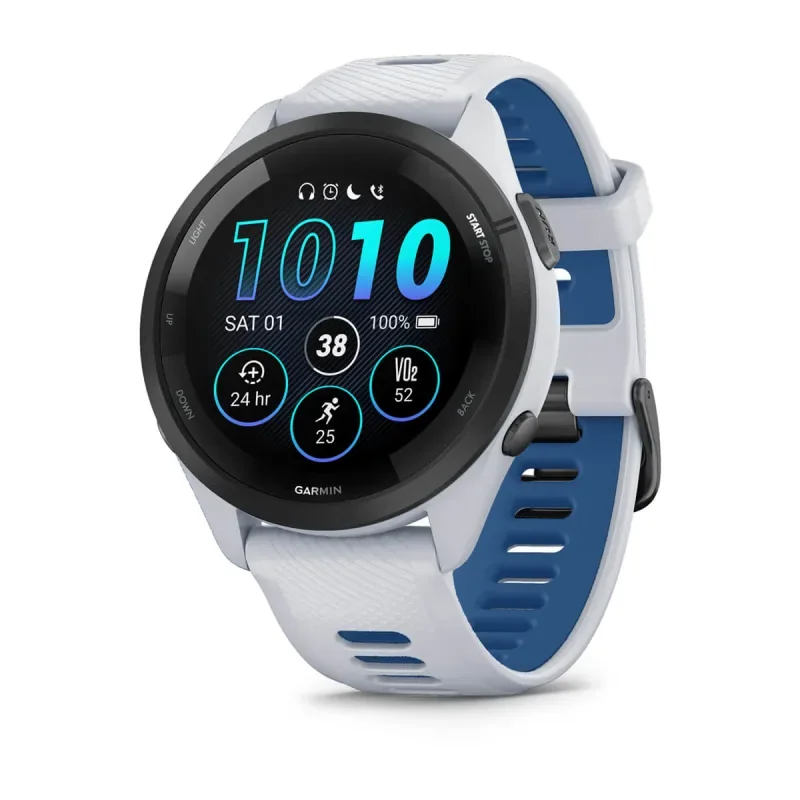
What to know first
- Training-first running watch: built around workouts, plans, and performance metrics
- AMOLED (OLED) display: vibrant and modern-looking, especially indoors
- Multiband GPS: helps keep location tracking more reliable in challenging areas
- Battery life holds up well even with always-on display enabled (compared with typical smartwatches)
- Navigation is more intuitive than many training-focused watches
What the Garmin Forerunner 265 is
The Garmin Forerunner 265 is a GPS running watch aimed at people who train. That means it’s less about being a tiny phone on your wrist and more about giving you the tools to plan workouts, track them cleanly, and understand what your recent training is doing to your body.
It uses an AMOLED (OLED) display, so it looks more like a modern smartwatch than older, dimmer training watches. The practical upside is that it’s easier to read indoors and it makes Garmin’s on-watch summaries and graphics feel more polished.
It also supports multiband GPS, which is the feature you want when you’re running in places where GPS can get messy, like downtown streets with tall buildings or routes with heavy tree cover.
Why it stands out
The Forerunner 265’s best trick is balancing a bright AMOLED screen with battery life that still works for runners. AMOLED is the screen tech people like because it’s vibrant and feels current, but it can be a battery hog. The 265 is the model that gives you that screen without forcing you into a constant charging routine, even if you use always-on display.
Multiband GPS is another reason this watch earns its price for runners. Instead of relying on a single GPS frequency, it can use multiple bands to improve positioning. In real life, that usually means cleaner maps and fewer weird pace spikes when you’re weaving between buildings or running under trees.
Finally, the Forerunner 265 is built around training features, including Garmin’s daily summary style tools (like Morning Report) and coaching-style guidance. If you’re the kind of runner who follows a plan, builds mileage over weeks, and wants the watch to nudge you in the right direction, this model is designed for that workflow.
Garmin also improved the feel of getting around the watch. Menu navigation is more intuitive than many training watches, which matters because you’ll be digging into workouts, metrics, and settings a lot more than you would on a basic tracker.
What it is like to own
Day to day, the Forerunner 265 is meant to be worn all the time, not just during runs. The watch can surface a quick daily snapshot (sleep, recovery, schedule, weather, and a suggested workout) through Garmin’s Morning Report feature. It is a thing you glance at while making coffee, then decide whether today is a hard workout day or a “just get out the door” day.
The AMOLED screen changes the experience more than you’d think. It’s simply easier to read in indoor lighting, and Garmin’s on-watch visuals feel more engaging. If you’ve used older training watches with more basic-looking displays, this is a noticeable upgrade in how the watch feels during normal life, not just during workouts.
For runners, the big ownership win is not having to baby the battery just to get a modern screen. You can use always-on display and still expect strong battery life for a running watch, including regular GPS activity. That makes it easier to keep wearing the watch consistently, which is what makes trends and training guidance actually useful.
When you’re mid-run, multiband GPS is the quiet feature you’ll appreciate later. You’re less likely to finish a run and see a route that looks like you teleported across an intersection or cut through buildings.
What to know before you buy
This is a runner’s watch first. If you mainly want smartwatch conveniences, like a phone-like notification and app experience, you’ll probably be happier with a true smartwatch. The Forerunner 265 is focused on training tools and endurance tracking rather than being an all-purpose wrist computer.
Also, make sure you actually want what this tier adds. There are Garmin models that deliver a similar core running experience for less money. If you don’t care about stepping up to this specific mix of AMOLED plus deeper training features, you may not get full value from the upgrade.
Finally, keep your expectations realistic around calorie burn, recovery scores, and sleep stages. These features can be useful for spotting patterns over time, but they’re still estimates based on sensors and algorithms. They work best as trend tools, not as exact numbers to budget your day around.
The specs that matter
AMOLED looks vibrant and modern and is typically easier to read indoors. It makes on-watch summaries and graphics more pleasant to use day to day.
You can glance at the time and key stats without waking the screen. The important part is that this model is positioned to keep good battery life even with AOD on.
Multiband GPS can improve pace and distance reliability in cities, under tree cover, and on routes where GPS often gets noisy.
If you follow a plan or want guidance, these features help turn your watch into a day-to-day training companion instead of just a run recorder.
You’ll spend a lot of time starting workouts, checking metrics, and adjusting settings. Easier navigation makes the watch feel less like homework.
A 50-meter rating generally means you can handle rain, sweat, and pool time with more confidence. It’s also a durability plus since water exposure is a common long-term failure point.
Who this product fits
You’re training for a half marathon and want structure
The Garmin Forerunner 265 is built to support structured training blocks. You get training-focused features and daily summary tools that help you decide when to push and when to back off, plus reliable GPS for tracking pace and distance.
You run in a city and your GPS tracks look messy
Multiband GPS is designed for tougher signal environments like tall buildings. The Forerunner 265 is a strong fit if you’re tired of weird zigzags on maps and pace spikes that don’t match how the run felt.
You want a modern, bright screen but hate charging
AMOLED screens look great but often come with battery anxiety. The Forerunner 265 is aimed at people who want that nicer display while still getting battery life that works for regular GPS workouts, even with always-on display enabled.
What else to compare
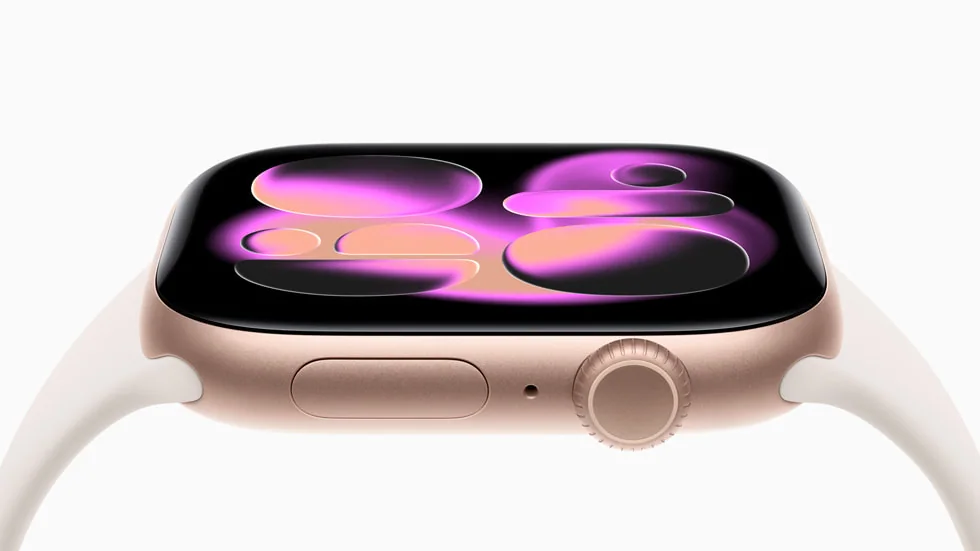
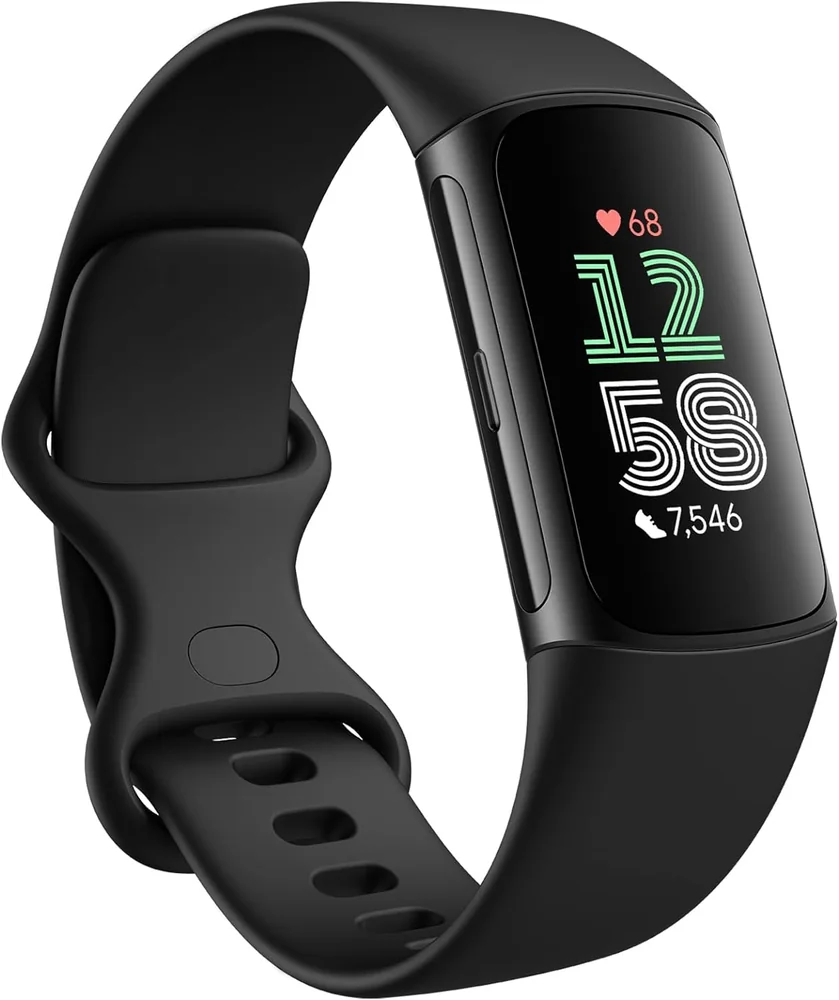
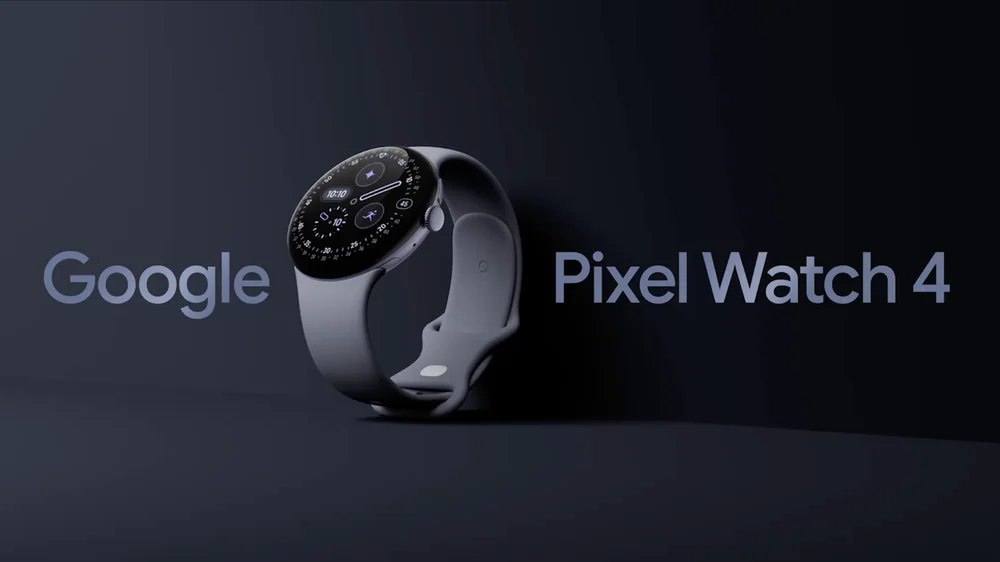
If the Forerunner 265 isn’t the right fit, these are the directions that make the most sense to consider.
Garmin Forerunner 265 FAQ
Is the Garmin Forerunner 265 good for runners?
Yes. It’s designed as a training-first running watch, with multiband GPS and Garmin’s deeper training features. It makes the most sense for runners who care about workouts, plans, and performance metrics more than smartwatch extras.
Does the Garmin Forerunner 265 have an AMOLED screen?
Yes. The Forerunner 265 uses an AMOLED (OLED) display. The practical benefit is a more vibrant, modern-looking screen that’s typically easier to read indoors.
What is multiband GPS on the Garmin Forerunner 265?
Multiband GPS means the watch can use multiple GPS frequencies to improve positioning. In everyday use, it can help keep pace and distance tracking more reliable in cities, tree cover, and other challenging environments.
Is the Garmin Forerunner 265 a good choice for calorie tracking?
It can be, mainly because it’s built around strong workout and run data. Just treat calorie burn as a trend tool, not a precise daily budget, since it’s still an estimate based on heart rate and your profile.
Should I buy the Garmin Forerunner 265 or a cheaper Garmin?
Buy the Forerunner 265 if you specifically want its mix of AMOLED plus deeper training tools and strong GPS features like multiband. If you mainly want solid run tracking and don’t need the extra training layer, a less expensive Garmin can make more financial sense.
Should you buy the Garmin Forerunner 265?
Buy the Garmin Forerunner 265 if you’re a runner who wants your watch to actively support training, not just record it. The combination of an AMOLED screen, multiband GPS, and Garmin’s training features is aimed squarely at people building fitness over weeks and months.
Skip it if your main goal is smartwatch life, or if you’re not going to use the training depth that helps justify the price. But if you want a modern-looking running watch that’s still comfortable to live with between workouts, the Garmin Forerunner 265 is a strong, focused choice.