
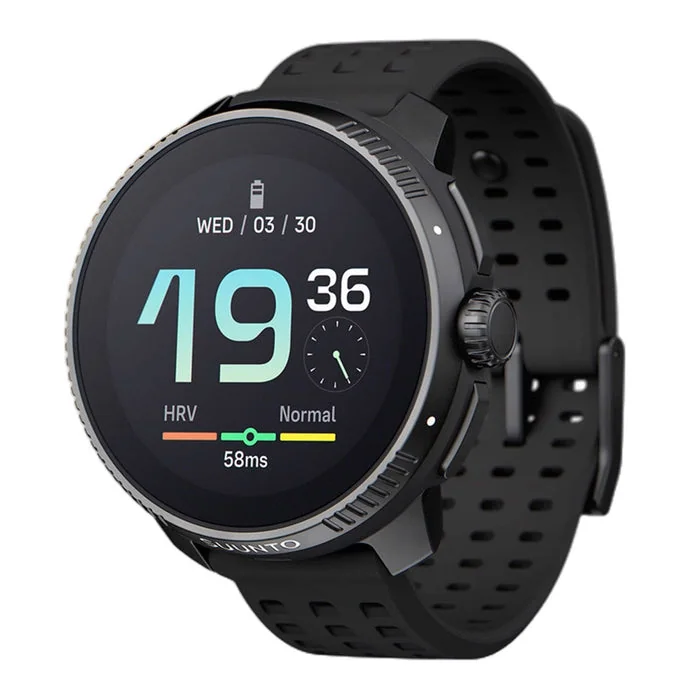
What to know first
- Offline maps with navigation are the main reason to buy the Suunto Race S.
- Supports more than 95 sports and activities, so it is not just a trail-running watch.
- Includes training zone tools with an AI coach for structured training guidance.
- Battery life is listed as up to 13 days, which supports consistent wear.
- The side dial can be difficult to spin when your fingers are sweaty.
What the Suunto Race S is
Suunto Race S is a rugged-leaning fitness watch built around outdoor training. The core promise is simple: track your workouts, record your routes, and help you navigate when you are away from easy landmarks or reliable cell service.
The feature that defines it is offline maps with navigation. Instead of depending on your phone to load maps or keep a data connection, the watch is designed to keep route guidance available on your wrist. For trail running, hiking-style training, and travel workouts in unfamiliar places, that is a practical upgrade you feel immediately.
It is also meant to be a general training watch. Suunto lists support for more than 95 sports and activities, so you can use it for a wide range of workouts without feeling like you bought a niche tool.
Why it stands out
Offline maps with navigation are the reason Suunto Race S earns its spot in the rugged category. If you have ever started a route and realized your phone map is not loading, or you are trying to follow turns while holding a phone, you already understand the value. Having navigation on the watch is about staying on track without stopping your workout to troubleshoot.
Suunto also leans into training structure. The Race S includes training zone tools with an AI coach. In plain terms, that means the watch is set up to help you pay attention to intensity zones instead of just collecting a pile of stats you never use. If you are trying to run or ride with more intention, training zones are one of the simplest ways to do it.
Finally, it is a value-minded alternative to premium adventure watches. You are paying for navigation and training features first, not for a luxury build or a full smartwatch ecosystem. If your priority is outdoor workouts and route guidance, that is the right place to spend your money.
What it is like to own
In daily use, the Suunto Race S is built for routine wear. Suunto lists battery life of up to 13 days, which matters because a watch you can wear for days is a watch you actually keep wearing. Consistent wear is what turns fitness tracking into useful trends, especially for training load and recovery-style insights.
The watch is designed to cover a lot of activities. With more than 95 sports and activities supported, you can set it up for the workouts you actually do instead of forcing everything into a generic “workout” bucket. That is especially helpful if you mix outdoor runs with gym sessions, cross-training, or seasonal sports.
One usability note: the side dial can be difficult to spin if your fingers are sweaty. If you often change screens, zoom around maps, or adjust settings mid-workout, that is worth taking seriously. It is not a dealbreaker for everyone, but it is the kind of small friction that shows up at the exact moment you want the watch to be easiest.
What to know before you buy
Do not buy the Suunto Race S for the promise of perfectly “accurate calorie burn.” Calorie numbers from wrist wearables are best used for comparing your own workouts over time, not as a precise daily budget. The watch can still be useful for spotting patterns, but it is not a lab instrument.
The same goes for recovery-style features. The Race S includes training zone tools with an AI coach, and many watches in this class also surface readiness or recovery-style scores. Those can be helpful for noticing when you are stacking too many hard days, but they are still an interpretation of your data. Travel, stress, alcohol, illness, and even a bad sensor night can throw them off.
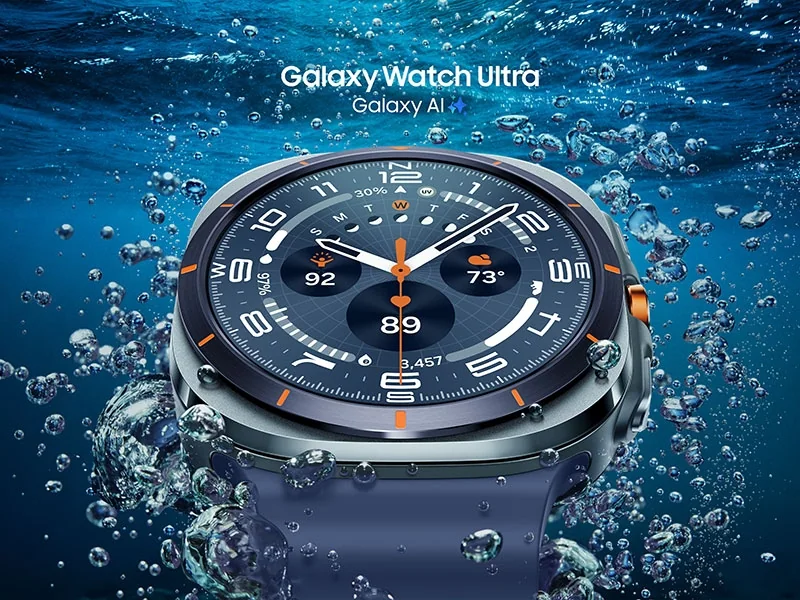
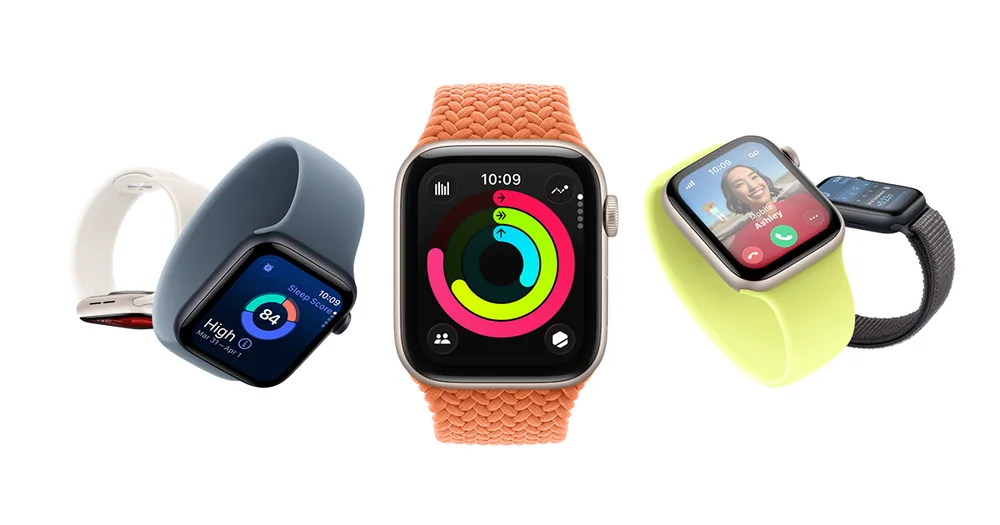
If you know you want a rugged watch mainly for phone-like smartwatch features, you may be happier with a rugged Apple or Samsung option instead. The Suunto Race S is at its best when you care more about outdoor navigation and training structure than about being a wrist extension of your phone.
The specs that matter
This is what lets you follow routes on your wrist without depending on phone signal. It is most valuable on trails, travel runs, and unfamiliar areas.
You can track different workouts in a way that keeps your history organized and your metrics more relevant than a one-size-fits-all workout mode.
Training zones help you control intensity. That is useful if you are trying to avoid turning every run into a hard run, or if you are following a plan.
Coaching features can make the watch feel more actionable day to day, especially if you want guidance instead of just raw stats.
Longer battery life makes it easier to wear the watch consistently, which is what makes fitness tracking trends useful over time.
If you rely on the dial during workouts, this affects real-world usability. It is most noticeable during hot-weather training or high-sweat sessions.
Who this product fits
You run trails and want to stop pulling out your phone
Suunto Race S gives you offline maps with navigation on your wrist, so you can follow a route and stay oriented without depending on cell service or juggling a phone mid-run.
You do a mix of workouts and hate generic tracking
With 95+ supported sports and activities, the Race S is set up to log different training types cleanly, so your history is easier to read and your tracking feels more tailored.
You want training structure, not just numbers
The training zone tools and AI coach are aimed at helping you manage intensity. That is useful if you are trying to build consistency, avoid overdoing it, or follow a plan.
You want a rugged outdoor watch without paying high-end adventure pricing
Race S focuses your money on navigation and training features. If those are your priorities, it is a practical way to get the outdoorsy capabilities that matter most.
What else to compare
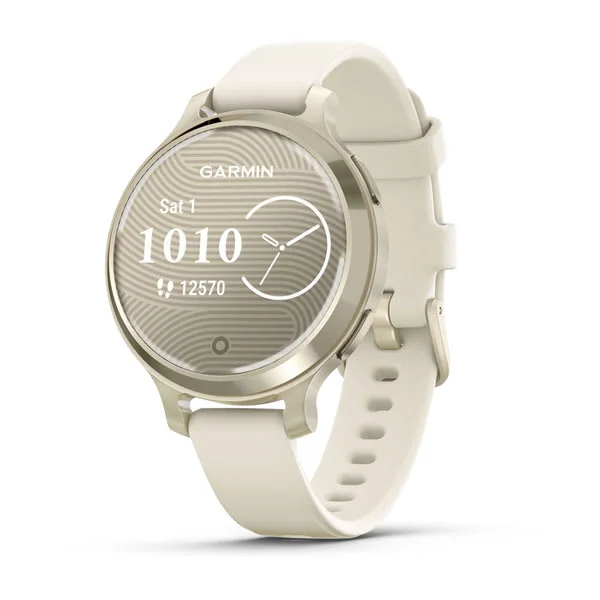
If you like the idea of a rugged watch but your priorities are different, these are the ones to look at next.
Suunto Race S FAQ
Does the Suunto Race S have offline maps and navigation?
Yes. Offline maps with navigation are the headline feature. It is designed for routes where you do not want to depend on phone signal.
Is the Suunto Race S good for trail running?
Yes. It is positioned for trail running and outdoor training, with offline maps and navigation as the main benefit. It also supports a wide range of activities, so it can be your everyday training watch too.
How many sports does the Suunto Race S support?
Suunto lists support for more than 95 sports and activities. That makes it a good fit if you do more than one type of workout and want dedicated modes.
What is the battery life on the Suunto Race S?
Battery life is listed as up to 13 days. Real-world battery depends on how you use features like GPS and screen settings, but the listed number suggests it is built for multi-day wear.
Is the Suunto Race S easy to control during sweaty workouts?
One known annoyance is the side dial. It can be difficult to spin if your fingers are sweaty, which matters if you frequently adjust settings or navigate screens mid-workout.
Should you buy the Suunto Race S?
Buy the Suunto Race S if you want an outdoor training watch that earns its keep with offline maps and navigation. That feature changes how confidently you can run and train in places where your phone is unreliable, and it is the main reason this watch makes sense over more basic fitness trackers.
If you also like the idea of training zones and built-in coaching, and you want a watch that supports a long list of activities, the Race S fits nicely as a do-most-things training watch. Just be honest about controls. If a finicky side dial would drive you nuts, or you want a smartwatch-first experience, you will be happier with a rugged Apple or Samsung model instead.