
What to know first
- Runner-first GPS watch with always-on display support
- Known for fast GPS acquisition, which matters at the start of runs and interval workouts
- Battery life focus that fits frequent training and long-run weeks
- Not the right choice if built-in music storage is non-negotiable
- If offline navigation is your priority, look at COROS models built around that use
What the COROS Pace 3 is
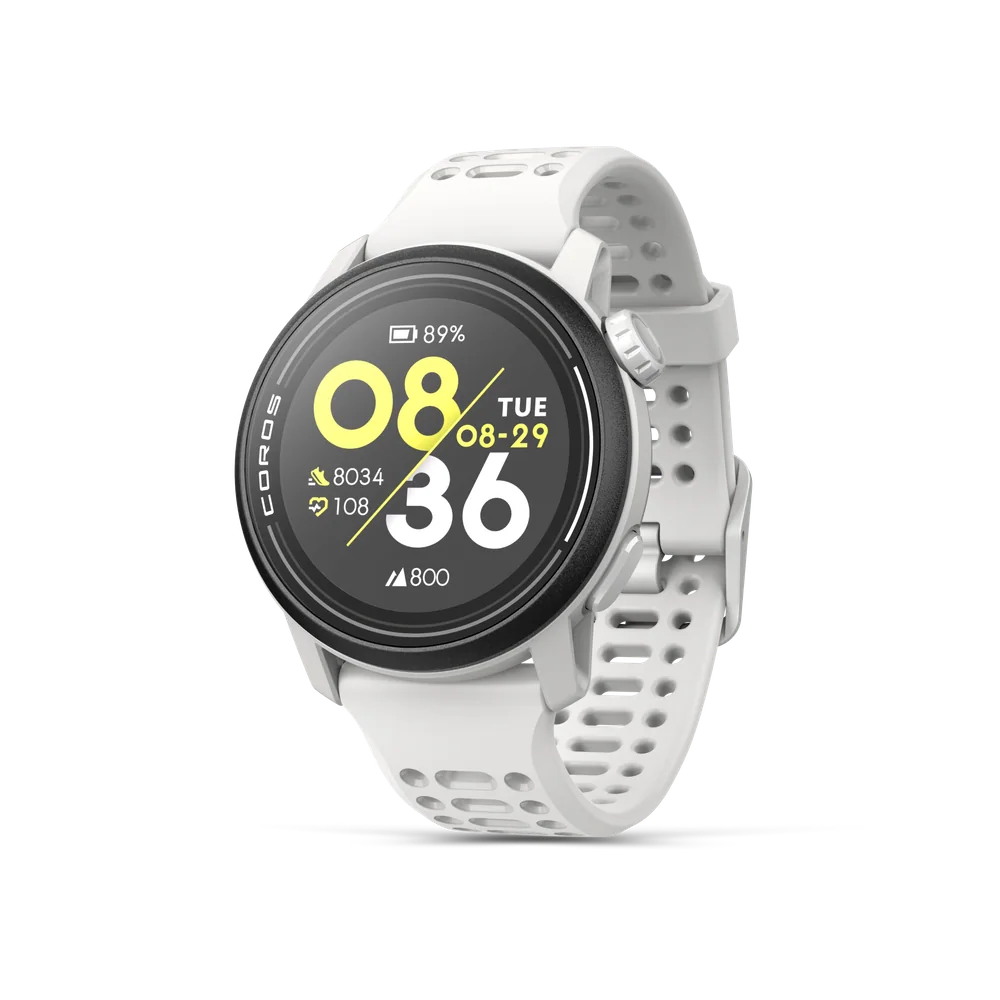
The COROS Pace 3 is a GPS running watch for people who want training tools on their wrist and don’t need a bunch of smartwatch extras. Think pace, distance, splits, and the kind of workout structure that helps you train consistently.
It is a lightweight runner’s watch you can wear daily, including during workouts where you want quick, at-a-glance visibility. Always-on display support is part of the appeal here because you can glance down mid-run without doing a big wrist flick or tapping around.
If you’re coming from a basic fitness tracker, Pace 3 is the step up into a more runner-specific experience. If you’re coming from a full smartwatch, the mindset shift is that Pace 3 is about training and GPS reliability first.
Why it stands out
The biggest reason to consider the COROS Pace 3 is how it’s tuned for running: it’s built around GPS reliability and a training-forward feature set. In day-to-day terms, that means it’s meant to start runs quickly, track your route cleanly, and keep you focused on the workout instead of fiddling with the watch.
Fast GPS acquisition is a real quality-of-life feature. If you run before work, squeeze in intervals at lunch, or start a race in a crowded corral, waiting around for a lock is annoying. Pace watches are known for getting you going quickly, which is exactly what you want from a runner-first device.
Battery life is the other practical win. A watch that lasts longer between charges is a watch you actually keep wearing, which is what makes training trends and consistency features useful. COROS leans into endurance, and the Pace 3 fits that approach even if the newer Pace 4 is advertised with a longer runtime.
Finally, Pace 3 makes sense for shoppers who want serious running value without paying for a bunch of smartwatch features they won’t use. If your main goal is better training structure and better run records, that focus is a feature, not a limitation.
What it is like to own
In everyday use, the COROS Pace 3 is meant to be a “put it on and go run” watch. Always-on display support helps during workouts because you can check pace and time at a glance, which is what most runners do dozens of times per run.
The workflow that matters most is the start of a workout. Pace watches are known for quick GPS acquisition, so you’re less likely to be standing on the sidewalk waiting for a signal before you can start your run and get accurate distance from the beginning.
If you train frequently, battery life becomes part of your routine. COROS’s battery-first approach is designed to reduce how often you have to think about charging. That’s especially helpful if you stack multiple GPS workouts per week or you’re building toward longer races.
What you should not expect is a music-first experience. If you want to leave your phone at home and run with music stored on the watch, Pace 3 is not aimed at that use case.
What to know before you buy
First, be clear about what you want from the Pace line. The newer COROS Pace 4 is advertised with longer battery life than the Pace 3. If your number one goal is maximizing time between charges, it’s worth considering whether stepping up makes more sense for your routine.
Second, don’t buy the COROS Pace 3 expecting built-in music storage. If music on the watch is a must, you’ll be happier choosing a model that explicitly supports it rather than trying to work around the limitation.
Third, trail runners should be honest about navigation needs. If offline navigation is central to how you run, the better move is to look at COROS models built around that requirement instead of treating Pace 3 as the navigation-first option.
The specs that matter
During a run, you want to glance down and immediately see pace, time, or distance. Always-on keeps the watch readable without extra gestures.
You spend less time waiting at the start of a run or workout. It also helps you capture distance from the beginning instead of missing the first block.
If your goal is better workouts and better run records, you’re paying for the features you’ll actually use instead of a bunch of phone-like functions.
Longer battery life makes it easier to wear the watch consistently, which is what turns data into useful trends. If you hate charging, compare Pace 3 vs Pace 4.
If you want phone-free runs with music stored on the watch, this is a dealbreaker. You’ll want a different watch that supports onboard music.
If you regularly run trails where you need offline navigation, you’ll likely be better served by a model designed around that feature set.
Who this product fits
You run 4 to 6 days a week and hate charging
COROS Pace 3 is built for frequent training with a battery-life-first mindset. The practical benefit is fewer interruptions to your routine and fewer missed days because the watch is dead.
You do intervals and want your watch ready fast
With quick GPS acquisition, Pace 3 is aimed at getting you into the workout without standing around waiting for a signal. That’s especially useful when you’re squeezing training into a tight schedule.
You want a lightweight running watch, not a smartwatch
Pace 3 is meant to keep the focus on running metrics and training tools. If you don’t care about a bunch of smartwatch features, that simplicity is the point.
You’re choosing between Pace 3 and Pace 4
If cost matters and you want the COROS approach, Pace 3 is the value play. If your priority is maximum battery life in the Pace family, Pace 4 is advertised to last longer.
What else to compare
If the COROS Pace 3 isn’t the right match, these alternatives cover the most common reasons people switch.
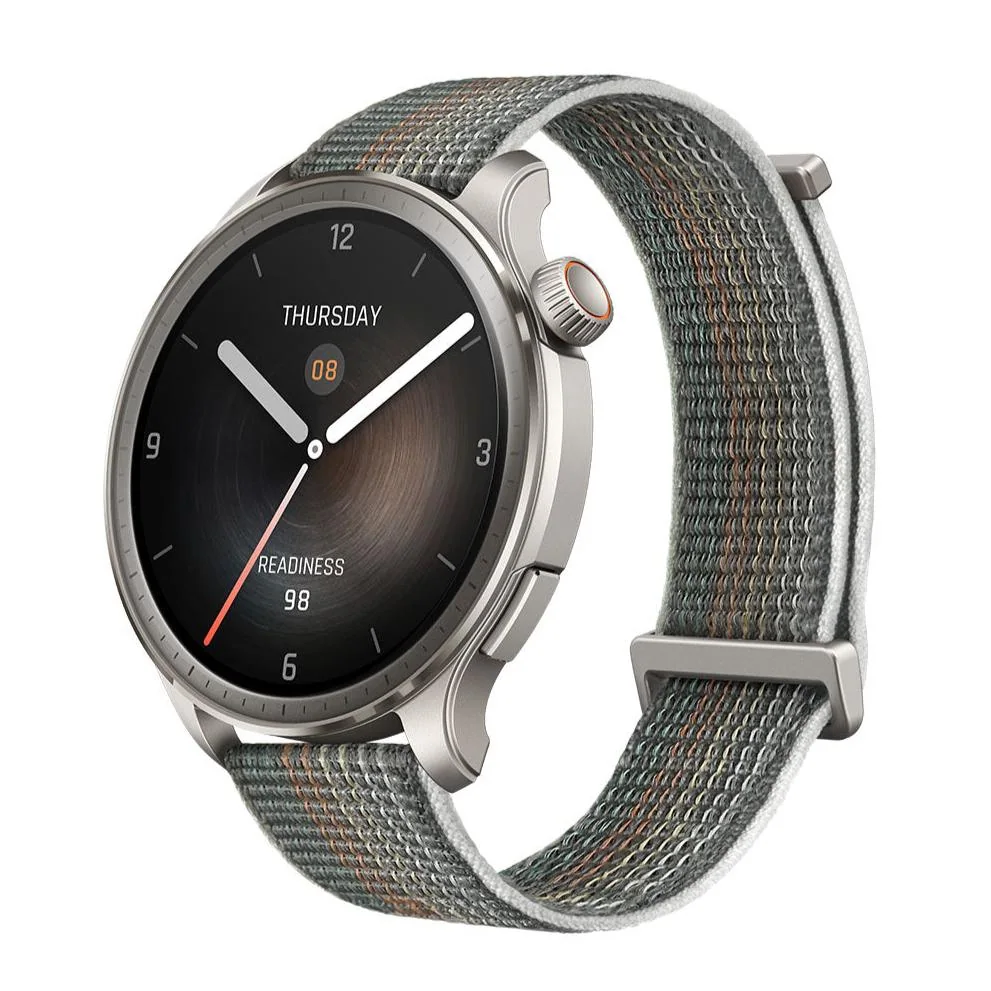
COROS Pace 3 FAQ
Is the COROS Pace 3 a good running watch?
Yes, it’s built specifically for runners who care about training tools and GPS reliability more than smartwatch extras. It also supports an always-on display, which is useful for quick mid-run glances.
Does the COROS Pace 3 have built-in music storage?
No. If you want music stored on the watch for phone-free runs, you should choose a different model that explicitly includes onboard music.
Should I buy the COROS Pace 3 or COROS Pace 4?
If you want the longest battery life in the Pace lineup, Pace 4 is advertised with a longer runtime than Pace 3. Pace 3 makes more sense when you want the COROS training approach while keeping cost down.
Is the COROS Pace 3 good for trail running and navigation?
It’s not designed as the navigation-first choice. If offline navigation is a must for your trail runs, it’s smarter to look at COROS models designed around that need.
What does always-on display change in real use?
It makes the watch easier to read during workouts because your key stats stay visible. That’s most noticeable during steady runs, tempo work, and intervals where you’re checking pace often.
Should you buy the COROS Pace 3?
Buy the COROS Pace 3 if you’re a runner who wants a lightweight, training-first GPS watch with always-on display support and a battery-life mindset. It’s aimed at the stuff that actually changes your day to day training: starting workouts quickly, tracking runs reliably, and staying wearable enough that you keep it on.
Skip it if you need built-in music storage or if offline navigation is central to your trail running. And if you’re deciding within the COROS family and battery life is your top priority, remember that the Pace 4 is advertised to last longer than the Pace 3.