
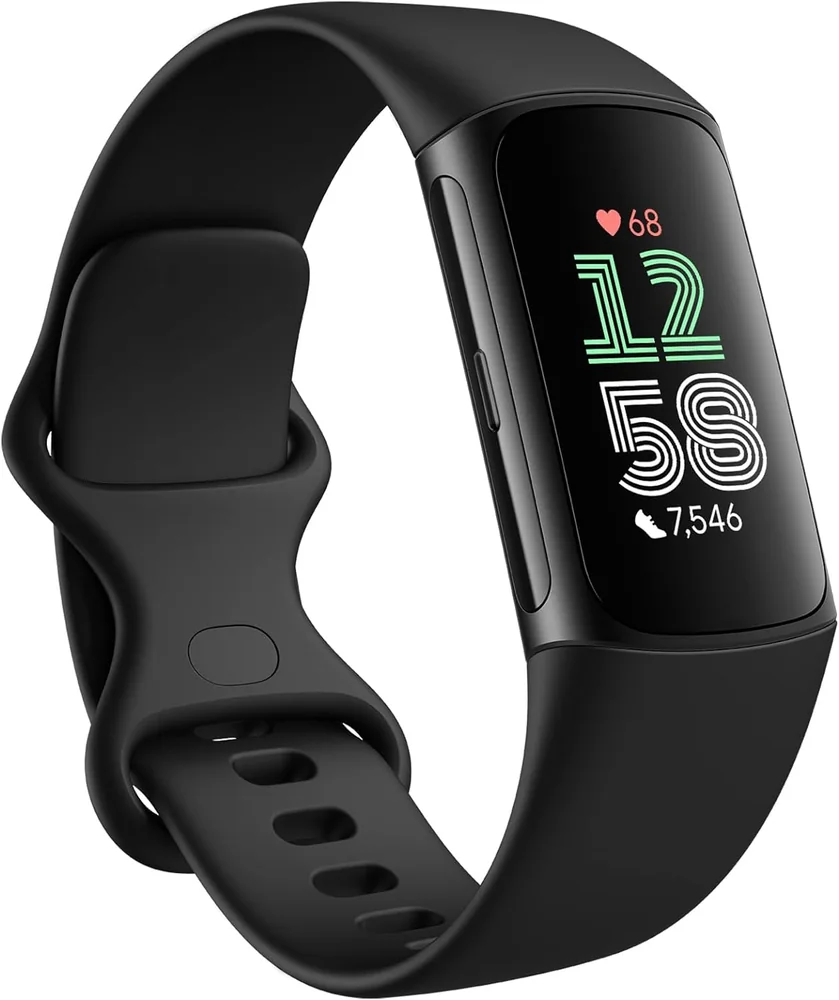
Measure your wrist and translate it into case size and strap range
Start with your wrist circumference, then check two things: the watch case size (the diameter of the body) and the strap's adjustment range. Case size affects how far the watch sticks out and how much it can rock side to side. Strap range matters because being at the very last hole or the very first hole usually means you cannot fine tune fit. If you are between sizes, the smaller case is often easier to wear to sleep and under sleeves, and it tends to move less during daily life. Also pay attention to lug to lug length (the distance from the top strap connection to the bottom). A watch can have a moderate case diameter but long lugs that overhang smaller wrists, which makes the watch feel unstable and can break sensor contact. If you can, mimic real use: bend your wrist back, type on a keyboard, and put on a long sleeve. If the watch digs into the back of your hand or catches on cuffs, you will end up taking it off more often than you expect.