
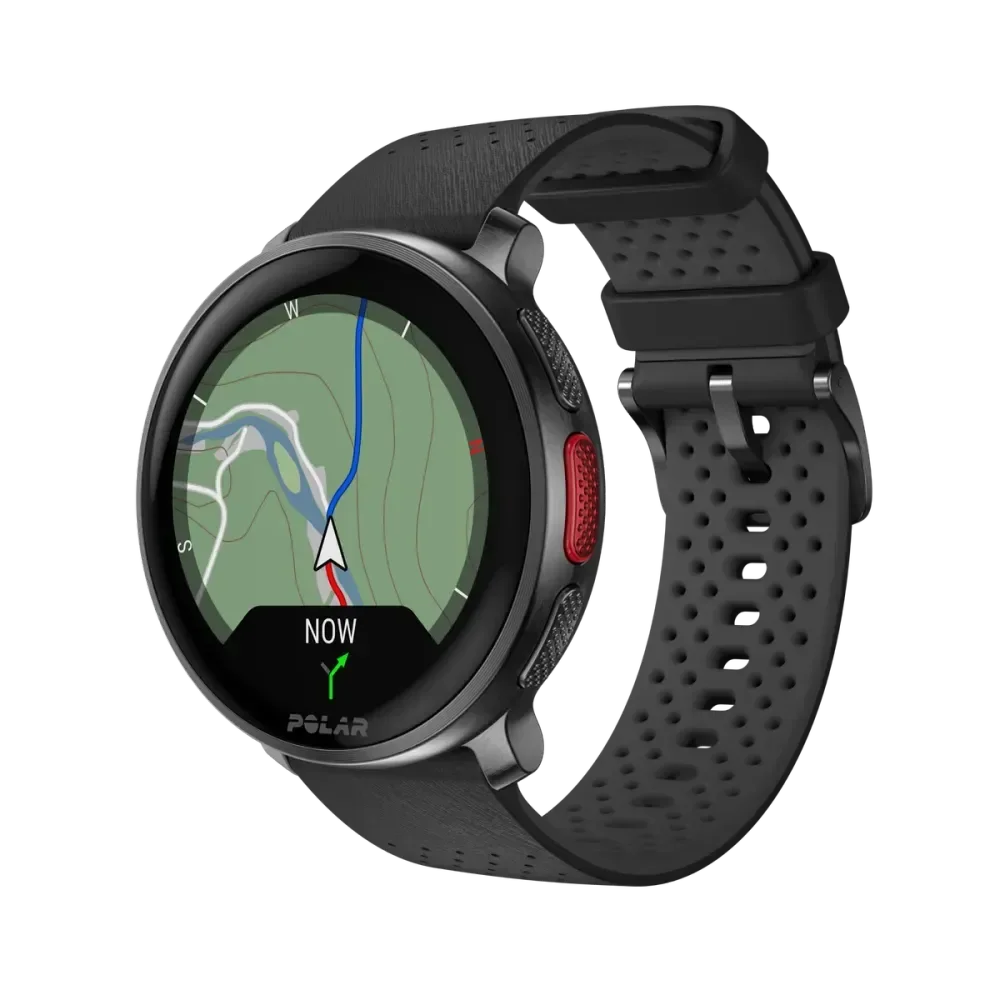
What to know first
- Polar Vantage V3 is a premium sport watch built around performance training.
- It fits best when calorie tracking is part of how you manage training, not just a curiosity.
- Calorie numbers from any wrist watch are best used for comparing your own workouts over time, not as a precise daily budget.
- If you do not plan to use training metrics regularly, a more mainstream watch will likely cover your needs with less effort.
- Fit matters for wrist-based heart rate. Strap tension and skin contact can change how clean the data looks, especially during intervals or lifting.
What the Polar Vantage V3 is
Polar Vantage V3 is a premium sport watch built for performance training. It is meant to be worn as your daily activity and workout tracker, then used as a training log where you can look at trends over time.
The reason it comes up for calorie-focused shoppers is simple. It treats calorie estimates as part of the training picture inside a broader performance system. That matters if you use calories as one input for training load, fueling, or comparing sessions, not as a standalone number you expect to be exact.
If you are coming from a basic tracker, the biggest shift is mindset. This is a watch you buy because you plan to use the data. If you just want to know you moved today and get a few workout summaries, you do not need a premium Polar training watch to do that.
Why it stands out
Polar Vantage V3 is a strong fit for shoppers who want calorie tracking to live inside a training workflow. Instead of treating calories as a throwaway stat, the watch is built around training metrics, and calories sit alongside them as part of how you review sessions.
It also makes sense for serious athletes because the whole product is oriented around training data and long-term trends. If you like looking back at how your weeks stack up, how different workouts compare, and how your effort changes over time, this is the type of watch that supports that habit.
One reality check that matters no matter what watch you buy. Calorie estimates from wrist wearables are still estimates. They are driven by your heart rate signal plus your body stats, and they can be thrown off by sensor fit, workout type, and day-to-day factors. The practical way to use them is consistency. Compare your own sessions over time, not your watch number versus a food label.
What it is like to own
Owning a training-first watch like the Polar Vantage V3 is mostly about wearing it consistently. The more consistently you wear it for workouts and daily life, the more useful the trends become. If you only put it on for occasional workouts, you will still get workout summaries, but you lose a lot of the long-term value.
For calorie tracking specifically, the day-to-day experience depends heavily on heart rate signal quality. Wrist-based optical heart rate works best with solid skin contact. If the watch is loose, sliding, or sitting on a bony part of your wrist, you can get noisy readings. That matters most during intervals, fast changes in effort, and strength training.
If you are the type of person who likes to review training data and make small adjustments, a Polar-style watch can change how you plan your week. Instead of guessing whether you are overdoing it, you can use training metrics and sleep trends to spot patterns. Do not treat any single readiness or recovery score as a final call. Travel, stress, alcohol, illness, and a bad sensor night can all skew those numbers.
What to know before you buy
The biggest catch is that the Polar Vantage V3 is a premium-tier approach. You are paying for a deeper training system, not just step counting and basic workout modes. If you are not going to use that depth, you are better off buying something simpler and putting the savings toward shoes, a gym membership, or a chest strap.
Also, do not buy any watch expecting perfectly accurate calories. Even when a watch is better than average, calorie burn is still an estimate. Use it for consistency and comparisons, not as a strict daily budget.
Finally, remember that wrist heart rate is sensitive to fit. If you do a lot of intervals, CrossFit-style workouts, or lifting, you may still prefer pairing a chest strap for the cleanest heart rate signal. The watch can still be your main training hub, but the strap can improve the input data.
The specs that matter
This is built for people who want to use training metrics regularly. If you mainly want smartwatch features or casual tracking, you may not use what you are paying for.
If you use calories to compare workouts, think about fueling, or keep an eye on training load, it helps when the watch treats calories as part of the same system you use for the rest of your training data.
Heart rate drives workout intensity zones and calorie estimates. Fit and strap tension matter a lot, especially during intervals or lifting.
These scores can help you notice patterns, but they are still an interpretation. They can be thrown off by stress, travel, illness, alcohol, or a bad sensor night.
The most useful sleep value is usually total sleep time and consistency trends, not obsessing over exact stage minutes.
Who this product fits
You train 4 to 6 days a week and track effort
Polar Vantage V3 fits when you actually look at training metrics after workouts and adjust your week based on what you see. Calorie estimates become another consistent data point you can compare across sessions.
You care about calorie tracking, but you want it tied to performance
If you use calories as part of a bigger training picture, not as a standalone number, the Vantage V3’s training-first approach makes more sense than a general smartwatch that treats calories as a secondary stat.
You lift and do intervals and want better calorie consistency over time
You can use the Vantage V3 as your main tracker, but you will get the most consistent results when you pay attention to fit and consider a chest strap for workouts where wrist heart rate tends to get noisy.
What else to compare
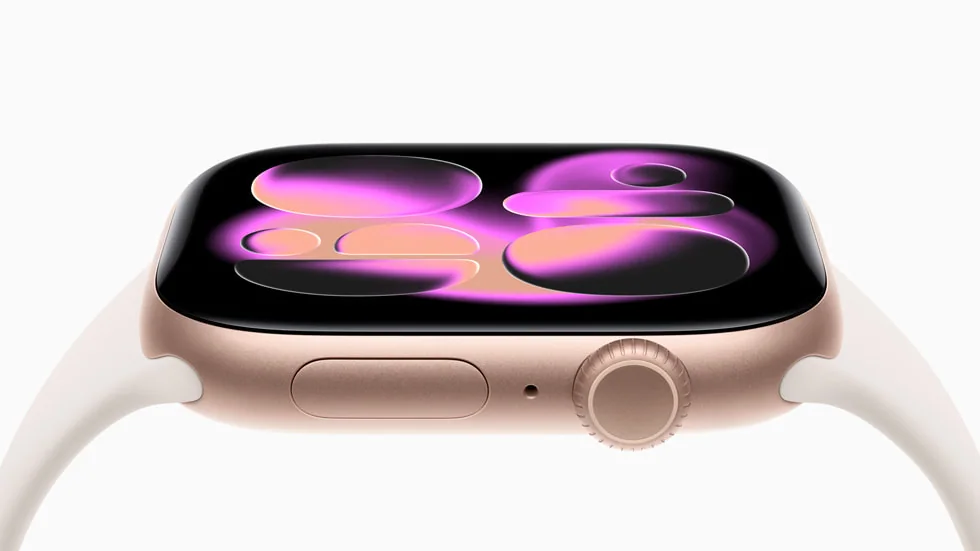
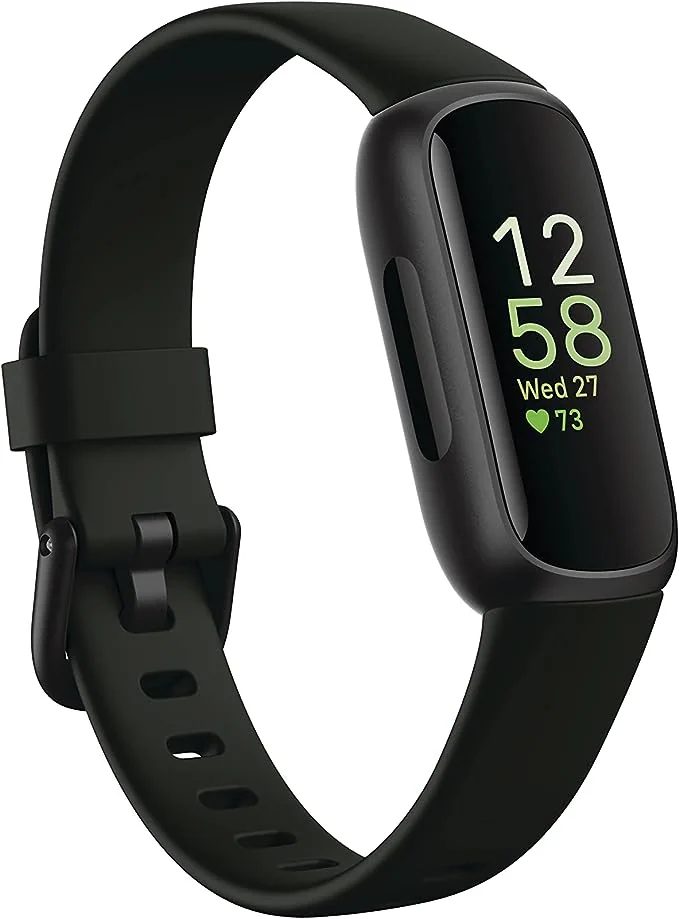
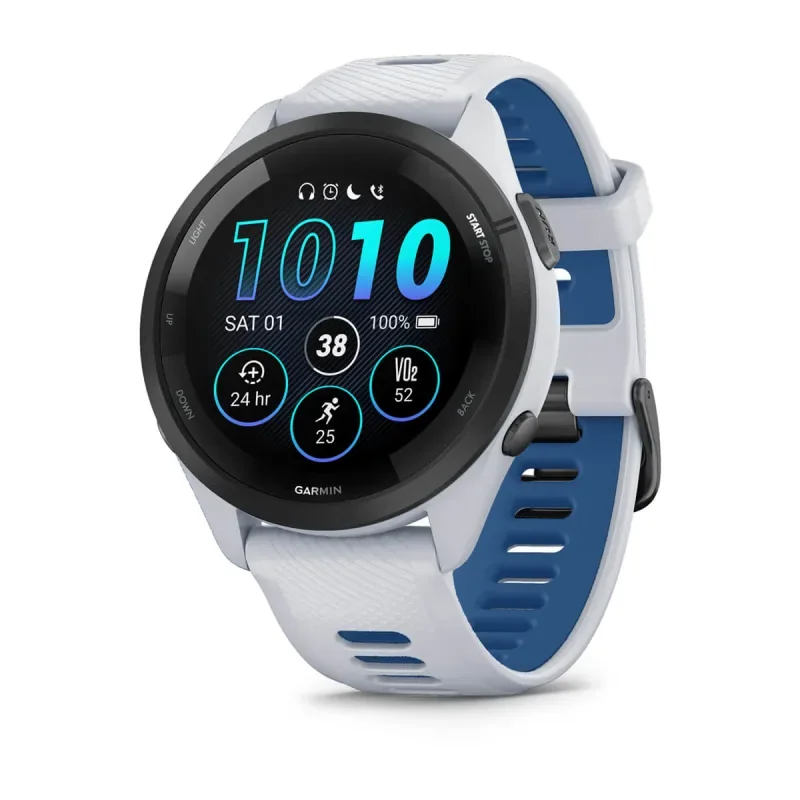
If Polar Vantage V3 feels like more training watch than you need, these are the more straightforward directions to go.
Polar Vantage V3 FAQ
Is the Polar Vantage V3 good for calorie tracking?
It can be a good fit if you want calorie estimates as part of a training-focused watch experience. Still, calories from any wrist watch are estimates, so they are best used to compare your own workouts over time rather than as a precise daily budget.
Do I need a chest strap with the Polar Vantage V3?
Not necessarily, but a chest strap can improve heart rate signal quality for workouts where wrist sensors struggle, like intervals and lifting. Since heart rate influences calorie estimates and intensity tracking, better input data can make the watch’s metrics more consistent.
How accurate are fitness watch calorie estimates in general?
They are directionally useful but not precise. They depend heavily on heart rate readings and your body stats, and they can vary with sensor fit, workout type, and day-to-day factors.
Should I trust readiness or recovery scores on the Polar Vantage V3?
Use them as a pattern-spotting tool, not a command. These scores combine signals like sleep and recent training load, and they can be skewed by travel, stress, illness, alcohol, or a bad sensor night.
What matters most for good wrist heart rate readings?
Fit and contact. A snug strap and stable placement on your wrist help the optical sensor read blood flow changes more cleanly, especially when your effort changes quickly.
Should you buy the Polar Vantage V3?
Buy the Polar Vantage V3 if you want a premium Polar training watch and you plan to use training metrics regularly, including calorie estimates as part of your performance picture. It is aimed at serious training, not casual check-ins.
Skip it if you want the simplest path to basic tracking or you mainly want smartwatch convenience. In that case, a more mainstream watch will feel easier day to day, and you will not be paying for training depth you will not use.