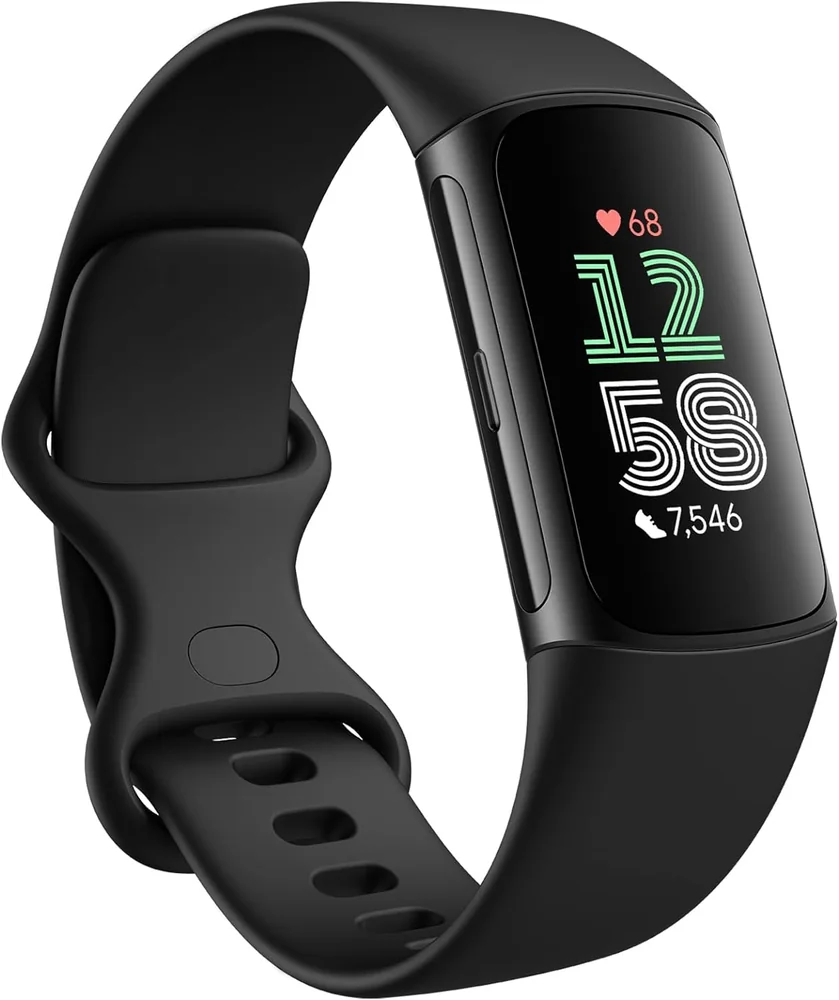
What a fitness watch can track during strength training
Published Updated
Learn what your watch can measure in the gym, what it guesses, and how to log lifting so the data actually helps you progress.
Reading time: 9 minutesBest for: Lifters who want simple, repeatable workout logs and better control of rest and effort
Strength training tracking: what the watch measures well
A fitness watch is strongest at measuring time, heart rate trends, and session structure. Time is straightforward: start the workout, use a set timer, and you get total session length and rest periods. Heart rate comes from an optical heart rate sensor, which is a light based sensor on the back of the watch that estimates pulse by measuring blood flow changes in your wrist. In the gym, heart rate is most useful for seeing how hard a circuit or conditioning block actually was, and whether your "easy" accessory work is quietly turning into cardio.
Where watches struggle is the stuff lifters care about most: reps, load, and technique quality. Some watches try to auto detect sets or reps using motion, but gripping a bar, changing wrist angle, and moving through different exercises can confuse that detection. The cause and effect is simple: if the watch guesses wrong, your "volume" and "calories" can look impressive while your actual training plan is not being followed. Treat auto detection as a convenience feature, not the source of truth.
Heart rate, calories, and effort: how to interpret gym numbers
Heart rate during lifting is noisy because the wrist is moving, your forearm muscles tense, and the watch can lose clean skin contact. If the strap is loose, the sensor can read low during hard sets or spike during rest, which makes intensity and calorie estimates look strange. Tightening the strap and wearing the watch slightly higher on the wrist bone improves contact, which usually improves the signal during presses, rows, and kettlebell work.
Calorie burn is best used as a personal comparison tool, not a precise budget. Strength sessions often include long rests, and heart rate alone does not capture how heavy a set was or how close you were to failure. That is why two workouts with the same "calories" can produce very different results. A more useful approach is to pair the watch's time and heart rate trend with a simple effort note, like an RPE (rate of perceived exertion, a 1 to 10 effort scale) for the session or for the hardest lift.
Logging sets, reps, and rest so progress is obvious
If your watch supports strength workout logging, use it mainly as a timer and a structured record, not as a perfect rep counter. The most valuable habit is consistent rest tracking: when you hit "lap" or "next set," you create a rest pattern you can repeat next week. Rest time has a direct effect on performance. Shorter rest can turn strength work into conditioning, while longer rest can preserve bar speed and let you add load or reps. Without tracking rest, it is easy to think you are progressing when you are just resting longer.
For sets and load, decide where the truth lives. Many people do best with a simple split: use the watch to capture the session, rest, and heart rate trend, and use a lifting log (in the watch app or another log) for weight and reps. If you do enter sets on the watch, keep it minimal: log only working sets for the main lifts, and skip detailed entry for warmups and small accessories. The ownership consequence is less friction. The easier it is to log, the more likely you are to keep doing it for months, which is when trends become useful.
Recovery and readiness: what matters after lifting
Some watches offer recovery scores or readiness, which combine signals like sleep, heart rate trends, and recent training load. These can be helpful for noticing patterns, like heavy lower body days plus short sleep leading to a rough next session. But they are still an interpretation. Travel, alcohol, stress, and a bad sensor night can swing the score, so it is better used as a nudge to check in with yourself than a rule that cancels training.
For strength training, the most actionable "recovery" data is often boring: sleep duration trend, resting heart rate trend, and consistency of training days. If you can wear the watch overnight comfortably, you get a clearer picture of whether your baseline is drifting. If the watch is too big or uncomfortable and you skip sleep tracking, the recovery features lose their foundation. Comfort and wearability are not minor details here. They directly affect whether the watch can build the long term context that makes its insights worth looking at.
What this guide helps you understand
Set up strength tracking so your watch improves consistency and progression instead of distracting you with shaky gym metrics.
Wear the watch snug and slightly above the wrist bone during lifting to improve heart rate signal.
Decide whether sets and weight will be logged in the watch, in the phone app, or in a separate lifting log, then stick to one source of truth.
Use a set or interval timer to standardize rest periods for your main lifts.
After each session, add one simple note: session RPE, hardest lift, or a quick "felt strong / average / off" tag.
Technique notes
If you enable lots of notifications or an always on display, battery life can drop enough that you stop wearing the watch consistently. Consistency matters more than extra features for strength trends.
Water resistance ratings help with sweat and showers, but they are not a promise for every water activity. Rinse and dry the watch after very sweaty sessions to reduce strap odor and skin irritation.
Safety note: If you feel dizzy, faint, or unusually short of breath during a workout, stop and seek medical advice. Do not use a watch metric to push through symptoms.