
Pickori

Setup guide

How to wear a fitness watch for better heart rate and sleep data

Small changes in placement and strap tension can reduce heart rate dropouts and make sleep trends more consistent.

Reading time: 8 minutesBest for: Anyone who sees inconsistent wrist heart rate during workouts or wants more reliable sleep trends
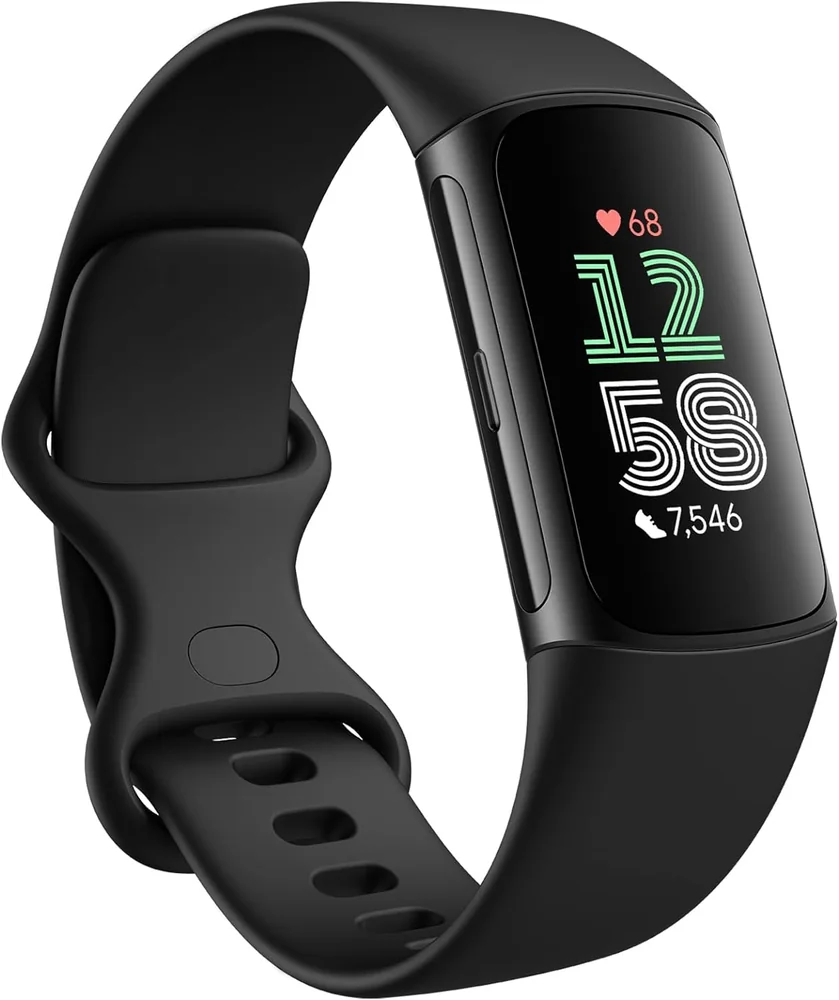
Fitbit Charge 6

Where the watch should sit on your wrist and why it matters

Wear the watch slightly above your wrist bone (the bony bump on the outside of your wrist). That spot gives the sensor a flatter surface and reduces the hinge-like movement that happens right on the joint. When the watch sits on the wrist bone, it tends to rock as you bend your hand back, which breaks skin contact and lets in stray light. That is a common cause of choppy heart rate during runs, rowing, and strength training. Use a simple check: with your hand relaxed, you should be able to slide the watch a little, but it should not freely spin around your wrist. If you see the watch face drifting to the side during a workout, it is usually too loose or sitting too low. Moving it up the arm by one finger width often fixes the problem without needing to crank the strap tighter.

How tight is tight enough for workouts versus all day wear

For workouts, aim for "secure, not squeezing." The watch should not bounce when you land or change direction. A good rule is to tighten the strap one notch from your all day setting before you start, especially for running and intervals. If you can easily lift the sensor off your skin, it is too loose for reliable heart rate. If your fingers tingle or your hand feels cold, it is too tight. For all day wear and sleep, loosen it back to a comfortable setting that still keeps contact. Many people do best with a slightly looser fit at night because your wrist can swell a bit during sleep. If you wake up with deep strap marks or numbness, loosen it. If your sleep data shows long gaps or your watch frequently "locks" and asks for a passcode, tighten it slightly or move it higher on the wrist.

Common causes of heart rate spikes and dropouts

Sudden spikes often come from motion and poor contact, not a real jump in effort. Fast arm swings, gripping weights, and wrist flexion can all confuse an optical sensor. Dropouts (a heart rate that suddenly falls to an unrealistically low number) usually happen when the watch shifts and the sensor loses a clean signal. Cold weather can also make readings less stable because blood flow near the skin changes, especially early in a run. You can troubleshoot by changing one thing at a time. First, move the watch higher and tighten one notch for the workout. Second, warm up longer so your circulation and sweat create more consistent contact. Third, clean the sensor window and the back of the watch, since sunscreen, dried sweat, and lotion can scatter the light. If you do a lot of lifting, expect more noise during gripping and wrist bending. In those sessions, use heart rate trends across the whole workout, not second by second peaks.

Comfort fixes: strap materials, irritation, and sweat management

Comfort is a performance feature because an uncomfortable watch is a watch you stop wearing. Silicone straps are common and handle sweat well, but they can trap moisture and cause irritation if you leave them wet against your skin. Nylon or fabric straps often feel better for sleep and reduce sweat pooling, but they can hold water longer after a shower or swim. Metal bracelets can be comfortable for daily wear, but they can slide during workouts unless fitted closely. To reduce irritation, rinse the watch and strap after sweaty sessions and dry them before putting the watch back on. Rotate the watch slightly on your wrist from time to time so the same spot is not under pressure all day. If you get redness, check for two causes: too tight (pressure and friction) or too wet (skin staying damp). Loosen one notch, clean the strap, and give your skin a few hours without the watch when you can.

What this guide helps you understand

Better data usually comes from boring basics: wear the watch one finger width above the wrist bone, tighten one notch for workouts, loosen for sleep, and keep the sensor and strap clean so contact stays steady.

Before your next workout, move the watch above the wrist bone and tighten the strap enough that the watch does not bounce when you shake your arm.

Technique notes

If your watch supports it, set a shortcut or reminder to switch between a "workout fit" and a "sleep fit" so you actually do it consistently.

Safety note: If you feel numbness, tingling, or pain, loosen the strap and take the watch off. Persistent skin irritation is a sign to change strap material and improve cleaning and drying.

More fitness watches help

← Back to Fitness Watches