
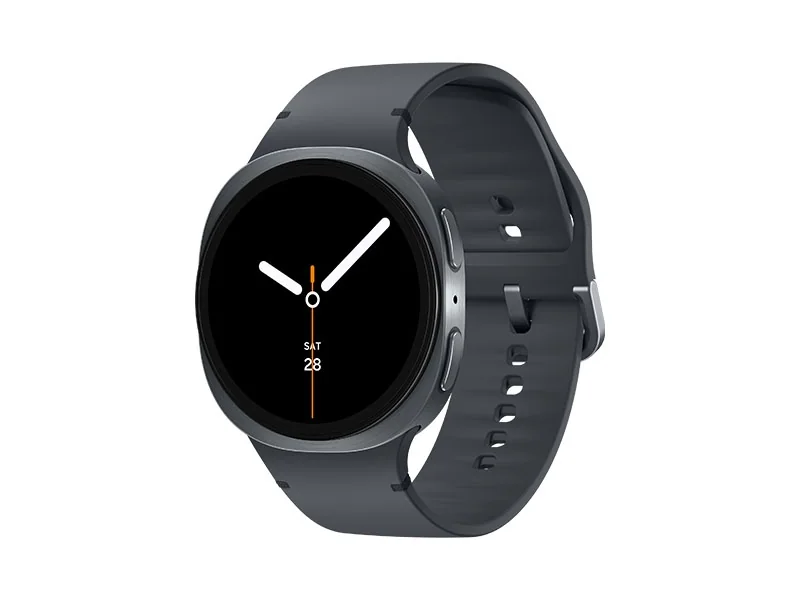
What to know first
- Works with Android and is listed as compatible with iOS 14+ and Android 9+ (double-check your phone before buying).
- Dual-band GPS is built in, which helps with more reliable location tracking in tougher signal areas.
- Water and dust protection includes 5ATM and IP68, so it’s built for sweat, rain, and pool workouts.
- Battery life is the big limiter. Expect roughly a day to a day and a half on some configurations, even though longer “up to” claims exist.
- The Classic version adds a rotating bezel for easier navigation, but it’s noticeably larger and heavier than the standard watch.
What the Samsung Galaxy Watch 8 is
Samsung Galaxy Watch 8 is Samsung’s current mainstream Wear OS smartwatch with fitness tracking and a long list of health sensors built in. Think of it as a daily-wear watch that can handle workouts, not a dedicated sports watch that happens to show notifications.
It’s sold in multiple sizes, and there’s also a Galaxy Watch 8 Classic variant that leans more “traditional watch” in look and controls. The Classic is the one with the rotating bezel and a stainless steel build, and it’s also the one that gets big and heavy fast.
For most shoppers, the real question is not whether it tracks steps, heart rate, and workouts. It does. The question is whether you want Samsung’s smartwatch experience on your wrist, and whether you’re okay charging it frequently to get that experience.
Why it stands out
The Samsung Galaxy Watch 8 makes the most sense when you want your watch and phone to feel like one system. If you already live in Samsung’s world, this is the cleanest path to a smartwatch that handles everyday life and health tracking without feeling like two separate products glued together.
For fitness, the headline is that it covers the basics well and adds a few practical upgrades that matter in real workouts. Dual-band GPS is built in, which is the kind of feature you appreciate when you run around tall buildings, under tree cover, or on twisty routes where watches can get sloppy with distance and pace.
On the Classic model, the rotating bezel is not just a style choice. It’s a control you can use when you’re sweaty mid-workout and do not want to fumble with a touchscreen. The Watch 8 lineup also includes a customizable action button, which is a small thing that can make workouts feel less fiddly if you set it up for the functions you use most.
Health tracking is a big part of the pitch here. The sensor list includes heart rate and blood oxygen, plus ECG and additional metrics like Vascular Load, an AGEs Index, and an Antioxidant Index. Whether you use every metric or not, the point is that this watch is built to be worn all day and night so you can actually build trends over time.
What it is like to own
Day to day, the Samsung Galaxy Watch 8 is meant to be a 24/7 wearable. That’s great for sleep and recovery style features, but it also means charging becomes part of your routine. Depending on the configuration and how you use it, you’re looking at about a day to around a day and a half on a charge in some real-world reporting, even though longer “up to” numbers are sometimes listed. If you do GPS workouts and keep the display active, you should expect to charge more often, not less.
If you like voice control, the Watch 8 lineup includes Gemini on board. In plain terms, it’s there to make voice requests feel more capable than older assistants, so you can do more from your wrist without tapping through menus.
Model choice matters for comfort. The Classic is substantially heavier than the standard Watch 8. Reported weights put the Classic at 63.5g, while the Watch 8 is listed around 30g (40mm) and 33.8g (44mm). That difference is huge if you’re wearing it to sleep or you simply hate feeling a watch on your wrist.
One more ownership detail that can surprise people: the Watch 8 uses a new proprietary lug system, and it’s not compatible with older bands. If you planned to reuse your existing Galaxy Watch straps, factor in the cost and hassle of starting over.
What to know before you buy
Battery is the make-or-break issue. Some listings mention “up to 6 days,” but other published specs and real-world use notes land closer to roughly 26 to 30 hours for certain models. The safest way to think about it is this: if you want a watch you can ignore for days, this is probably not it. If you’re fine topping it up daily like you do with a phone, you’ll be fine.
Be careful with the Classic model if you have a smaller wrist or you want a low-profile watch. It’s only offered in a larger case size (46mm is cited), and it’s thicker and heavier than the standard Watch 8. You’re buying the bezel and the look, but you’re also buying bulk.
Finally, compatibility is worth checking before you commit. The Watch 8 is an Android-friendly smartwatch, and it’s also listed as working with iOS 14+ and Android 9+. Still, watches can be picky about phone models and OS versions, and you don’t want to find that out after you’ve already set everything up.
The specs that matter
Dual-band GPS can hold a more reliable signal in places where watches often struggle, like downtown streets, parks with heavy tree cover, and winding routes. That means cleaner maps and more trustworthy pace and distance for runs and rides.
This is the baseline you want for sweat, rain, and pool workouts. It’s built for getting wet during training, not something you have to baby every time you wash dishes or jump in the pool.
Battery determines whether you actually keep wearing the watch. If you want sleep tracking and readiness style features, you need enough battery to wear it overnight, then still have power for the next day.
Size affects comfort, sleep wearability, and how easy it is to read stats mid-workout. If you have a smaller wrist, the smaller case can be the difference between wearing it daily and leaving it in a drawer.
That’s a lot of watch. The upside is a bigger screen and the rotating bezel. The downside is it can feel oversized, especially for all-day wear and sleeping.
The basics (heart rate and SpO₂) support workout intensity and sleep trends. The extra metrics are for people who like digging into wellness data, but they’re still best used for your own trends over time, not as perfect medical truth.
If you already own Samsung bands, you may not be able to reuse them. It’s a small detail that can add cost and friction right after you buy the watch.
Who this product fits
You have a Samsung Galaxy phone and want the simplest smartwatch choice
Samsung Galaxy Watch 8 is the cleanest fit if you want your watch to feel native to your phone. You get a full smartwatch experience plus health and workout tracking without having to switch ecosystems.
You do cross training and want quick controls mid-workout
The Watch 8 lineup supports a customizable action button, and the Classic adds a rotating bezel that’s easier to use when your hands are sweaty. That makes it simpler to start workouts, switch screens, and navigate without poking at a touchscreen.
You run in the city or under tree cover and care about route accuracy
Dual-band GPS is built in, which is the kind of feature that helps keep your pace and distance from getting weird when signals bounce around. It’s a meaningful upgrade if you’ve had messy GPS tracks before.
You want a watch you can swim with and wear in bad weather
With 5ATM and IP68 ratings, the Galaxy Watch 8 is built for pool workouts, heavy sweat, and rainy runs. It’s meant to be worn through normal water exposure, not taken off every time conditions get rough.
What else to compare
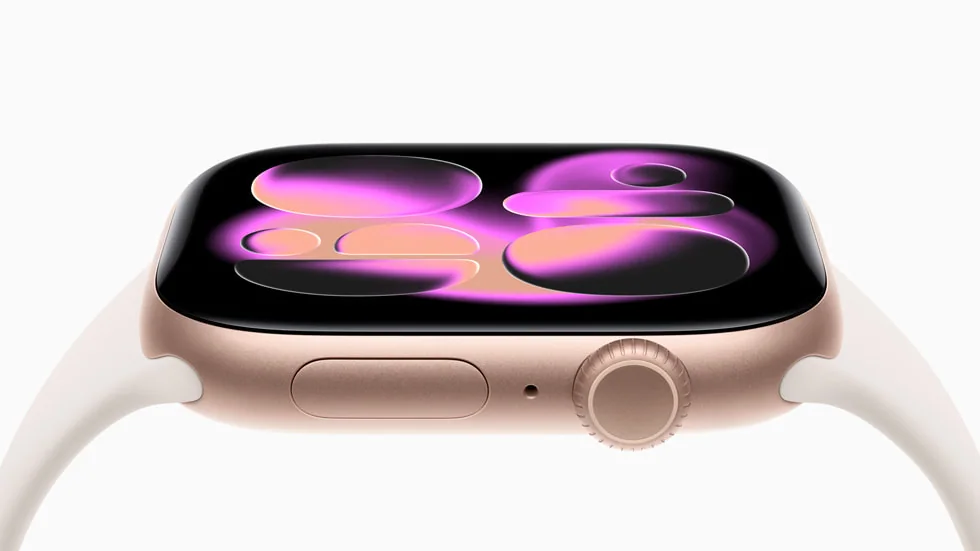
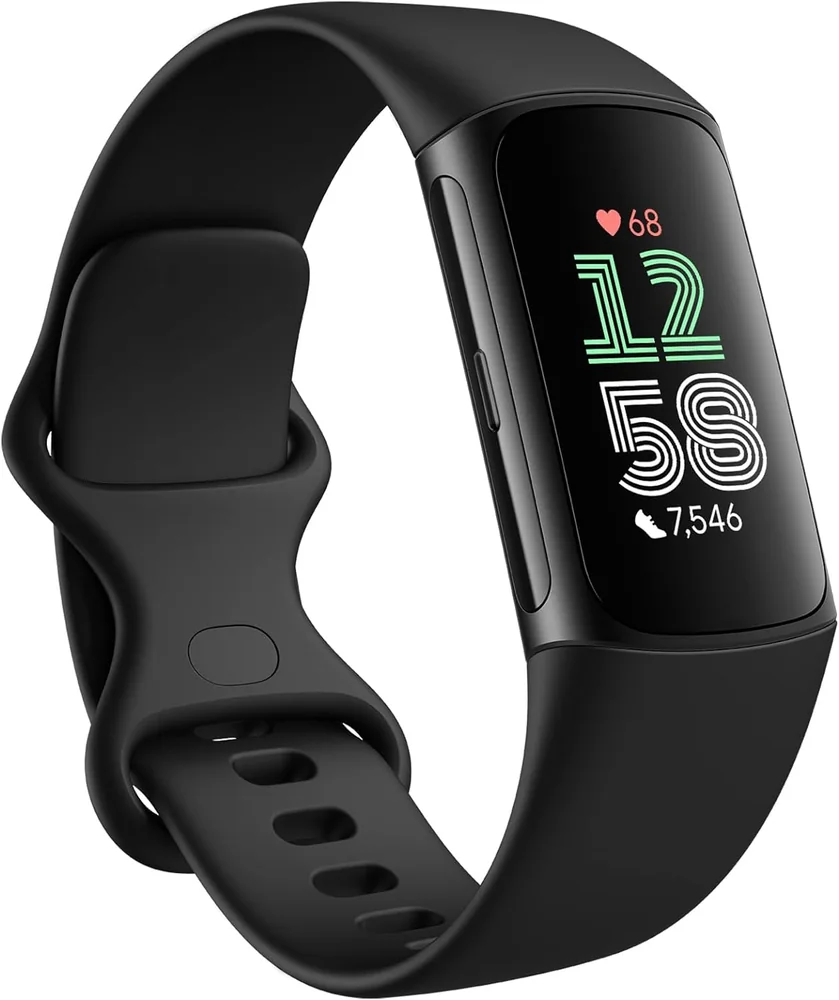
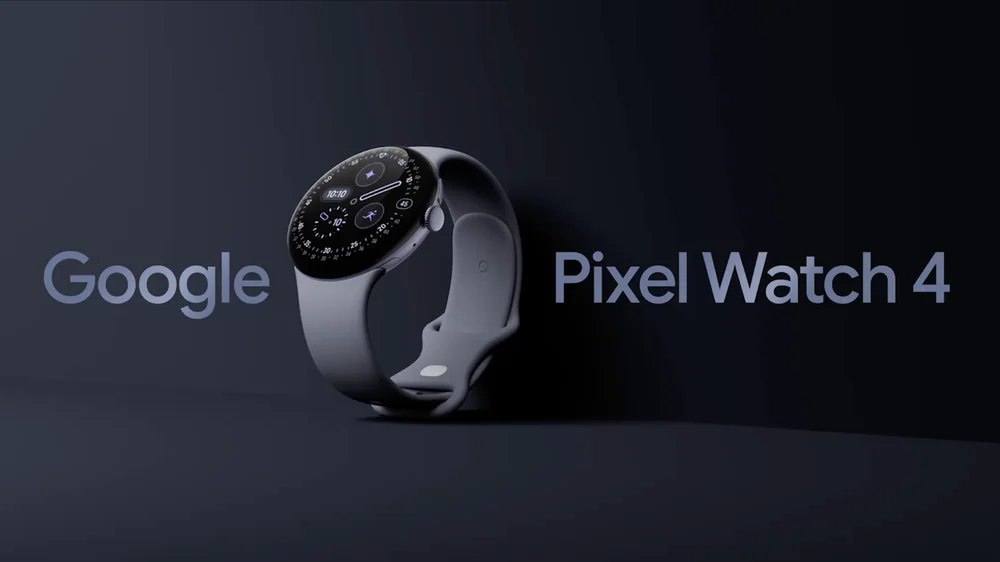
If you like the idea of the Samsung Galaxy Watch 8 but one key detail does not fit your life, these are the more sensible pivots.
Samsung Galaxy Watch 8 FAQ
Is the Samsung Galaxy Watch 8 good for fitness tracking or is it mostly a smartwatch?
It’s a smartwatch-first device that still covers fitness well. You get GPS for outdoor workouts, water resistance for swimming, and a broad set of health sensors for day-to-day tracking.
Does the Samsung Galaxy Watch 8 have GPS without carrying my phone?
Yes. Dual-band GPS is built in, so it can track outdoor workouts with location data. Some versions also offer LTE as an option, depending on the model you choose.
Can I swim with the Samsung Galaxy Watch 8?
It’s rated 5ATM and IP68, which supports swim workouts and general water exposure like rain and sweat. Water ratings are not a promise for every water activity, but this is the level most people look for if swimming is part of their routine.
How long does the Samsung Galaxy Watch 8 battery last?
Battery life varies by model and use. Some reporting puts it around a day to about a day and a half for certain configurations (roughly 26 to 30 hours), even though some listings state longer “up to” numbers.
Should I buy the Galaxy Watch 8 or the Galaxy Watch 8 Classic?
Buy the standard Galaxy Watch 8 if you want something lighter for all-day and sleep wear. Choose the Classic if you specifically want the rotating bezel and a stainless steel look, and you’re okay with a larger, heavier watch.
Will my older Galaxy Watch bands fit the Samsung Galaxy Watch 8?
Not necessarily. The Watch 8 uses a new proprietary lug system that’s cited as not compatible with older bands, so plan on buying new straps if you like to swap styles.
Should you buy the Samsung Galaxy Watch 8?
Buy the Samsung Galaxy Watch 8 if you want a modern Wear OS smartwatch that feels at home on a Samsung phone and still takes health and workouts seriously. Dual-band GPS, swim-friendly ratings, and a deep sensor list make it a strong everyday wearable for people who want both lifestyle features and fitness tracking in one device.
Skip it if your number one priority is battery life. The Watch 8 is built for a phone-like charging rhythm, and that’s fine if you’re used to it. If you want to go multiple days without thinking about a charger, you’ll be happier with a more endurance-focused alternative.