
What to know first
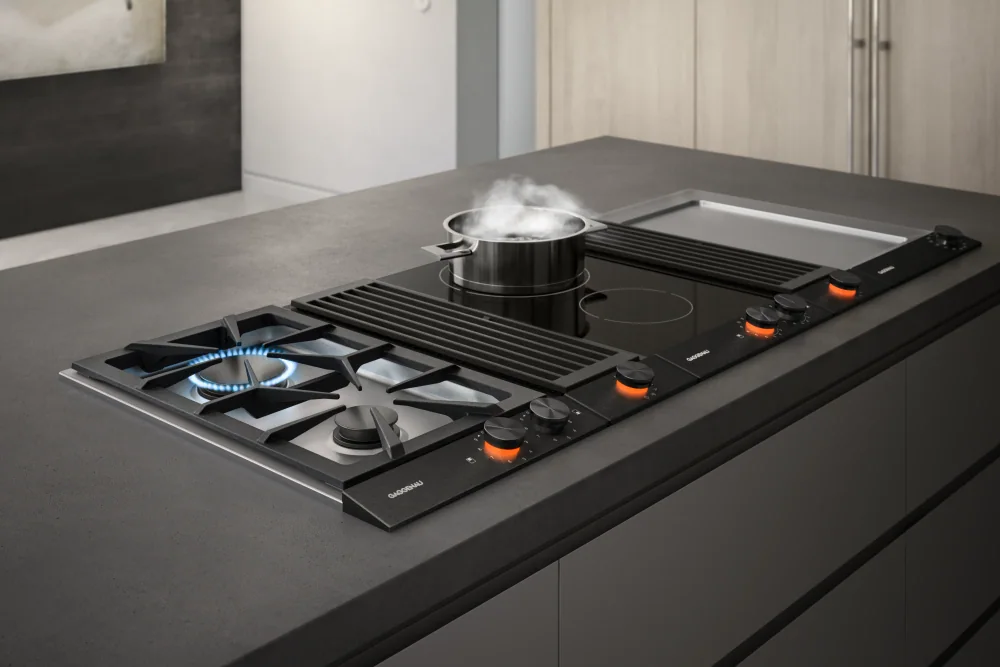
- This is a modular cooktop series meant to be combined into custom layouts, not a single fixed cooktop.
- The Vario 200 line spans roughly 12 to 36 inches across modules, which helps you build around your counter space.
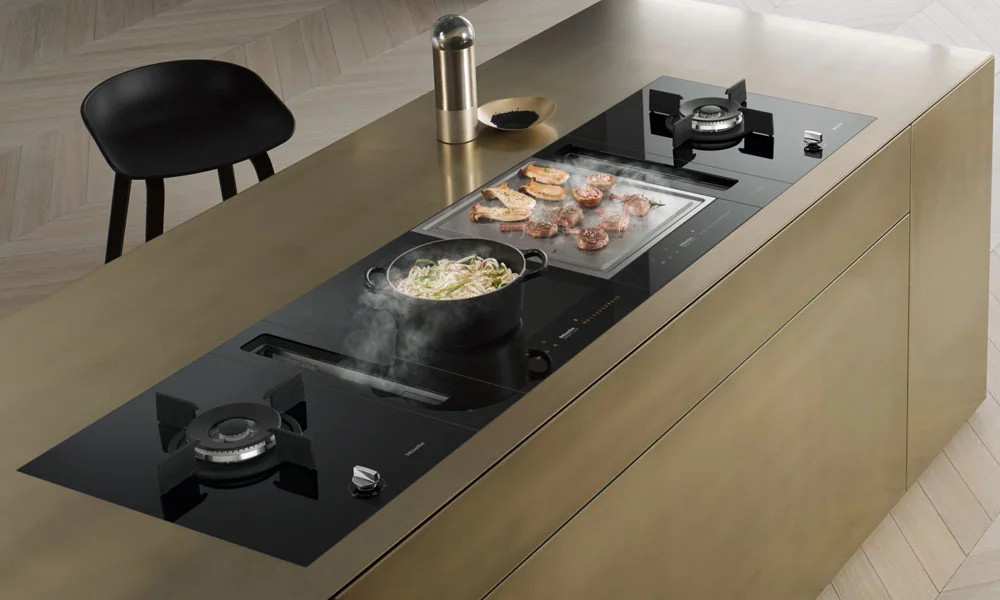
- You can mix cooking types within the same system (including gas, induction, and specialty modules).
- Specific modules publish overall dimensions and required cutout sizing, which reduces installation guesswork.
- It’s a premium, luxury-leaning choice aimed at integrated kitchen design.
What the Gaggenau Vario 200 Series Modular Cooktops is
The Gaggenau Vario 200 Series Modular Cooktops are a built-in modular system. Instead of buying one full-width cooktop, you choose individual modules and combine them into a single countertop layout. That is the whole point: you build the cooking surface around your kitchen and your habits.
Within the Vario 200 series, modules cover different cooking types, including gas, induction, and specialty modules. The series is presented as a coordinated system, so the end result is meant to look like one intentional worktop setup rather than a mix of unrelated appliances.
This is a premium approach to cooktops. It is most at home in a remodel or new build where you are already making countertop and cabinet decisions and you want the cooktop layout to be part of the design.
Why it stands out
The main reason to consider the Gaggenau Vario 200 Series is that it is built to be combined. The series explicitly supports multi-module layouts, which matters because modular cooktops can get messy fast when brands treat each module like a standalone product. Here, the system concept is front and center.
The second standout is planning clarity. At least one Vario 200 induction module (the VI263620) lists overall dimensions and the required cutout size, and it states it can be combined with other Vario 200 series cooktops. For a built-in modular install, those details are what let you plan confidently with your fabricator and installer.
Finally, the range of module widths (the series is described as spanning 12 to 36 inches) gives you more freedom than a typical 30-inch or 36-inch cooktop. That flexibility is what makes modular worth paying for in the first place: you can fit the cooking surface to the room, not the other way around.
What it is like to own
Owning a modular cooktop system like the Gaggenau Vario 200 Series is less about learning one appliance and more about living with the layout you designed. If you place modules too close together, you can crowd your cookware. If you space them well, you get a worktop that matches your real cooking flow.
Day to day, the biggest quality-of-life benefit is having the cooking types you actually use, where you want them. For example, if you prefer induction for most meals but still want a gas option in the same run, a modular system is one of the cleanest ways to do that without committing to a full pro-style range.
Cleanup and controls depend on the specific modules you choose. The important ownership point is that you are buying into a family of modules, so you should decide up front which cooking types you want, then confirm each module’s installation requirements and clearances before you finalize the countertop plan.
What to know before you buy
Modular cooktops are not a casual swap. Even when a module publishes clear overall dimensions and cutout sizing, you still need to match the countertop opening, cabinet base, and clearances to the exact model numbers you are installing. A “12-inch module” is not a universal cutout.
Plan your utilities early. Gas modules still need electricity for ignition and controls, and induction modules require the right electrical circuit. In a mixed setup, you are potentially coordinating both gas and electrical requirements in the same area of the kitchen.
Also think about ventilation. If your final layout includes gas modules, your hood setup matters more than it does with an all-induction surface. A powerful cooking setup is only enjoyable if your ventilation can keep up with heat, steam, and cooking odors.
The specs that matter
This is what you’re paying for. You can build a cooktop run that matches your cooking style and your counter space instead of settling for a fixed burner layout.
Smaller widths help in tight kitchens or when you want to add a specific function without giving up a full 30-inch or 36-inch footprint.
You can build a mixed surface, like induction for everyday cooking plus another module for a different cooking style, without switching brands or aesthetics.
Overall dimensions tell you what will actually sit on your countertop and how it will align with adjacent modules in a multi-module run.
Cutout size is the make-or-break detail for replacements and remodels. Clear cutout specs reduce the risk of countertop rework.
In modular setups, compatibility is not automatic. A clear statement that modules are meant to be combined helps you plan a cohesive layout.
Who this product fits
You’re doing a full kitchen remodel and want a custom cooktop run
The Gaggenau Vario 200 Series lets you choose modules and build a layout that fits your counter and your cooking habits, with published sizing details on specific modules to support the planning.
You want a mixed cooking surface (not all gas, not all induction)
Because the Vario 200 system spans gas, induction, and specialty modules, you can create a combined layout that matches how you cook instead of committing to one fuel type across the whole surface.
You have limited counter space but still want a built-in look
With modules described as starting around 12 inches wide, you can add a focused cooking zone in a smaller kitchen or alongside other built-ins, while keeping an integrated countertop design.
What else to compare
If you like the modular idea but want a different approach to layout or value, these are the closest directions to consider.
Gaggenau Vario 200 Series Modular Cooktops FAQ
What is a modular (domino) cooktop, and how is the Gaggenau Vario 200 Series different from a normal cooktop?
A modular cooktop is made of separate built-in modules that you combine into one countertop layout. Instead of one fixed 30-inch or 36-inch cooktop, you choose the modules and placement. The Vario 200 Series is designed as a system for that kind of combined layout.
Can you mix gas and induction modules in the Gaggenau Vario 200 Series?
Yes. The Vario 200 series is described as spanning gas, induction, and specialty modules, and it is designed to be combined into mixed setups. You still need to confirm the exact installation requirements for each module you choose.
Do I need to match a specific cutout size for a Vario 200 module?
Yes. Modular cooktops are cutout-dependent, and a “12-inch” label does not guarantee a universal opening. At least one Vario 200 induction module (VI263620) publishes its required cutout size, which is the kind of detail you should verify for every module in your plan.
Does a gas modular cooktop still need electricity?
Typically, yes. Gas cooktops generally need electricity for ignition and controls. If your modular layout includes both gas and induction, plan for both gas and the correct electrical circuit requirements.
What should I think about for ventilation with a modular cooktop layout?
Ventilation matters most if your layout includes gas modules, since gas cooking produces more heat and combustion byproducts. Make sure your hood or ventilation plan matches the way you cook, especially if you are building a powerful, multi-module setup.
Should you buy the Gaggenau Vario 200 Series Modular Cooktops?
Buy the Gaggenau Vario 200 Series Modular Cooktops if you are planning a premium built-in kitchen and you want a modular layout that is meant to be combined from the start. The ability to mix cooking types within one coordinated system is the practical benefit, and the published sizing details on specific modules help make the project easier to plan.
Skip it if your goal is a straightforward replacement or a standard full-width cooktop with minimal decisions. Modular only pays off when you are ready to design the layout, confirm cutouts and clearances, and build the cooking surface around your kitchen instead of forcing your kitchen to fit one appliance.