
Pickori

Cooktop advice

What a bridge element does on an electric or induction cooktop

A bridge element links two heating zones so a long pan or griddle heats more evenly than it would on a single round zone.

Reading time: 9 minutesBest for: Shoppers choosing between similar electric radiant or induction cooktops and wondering if a bridge element is worth paying for.
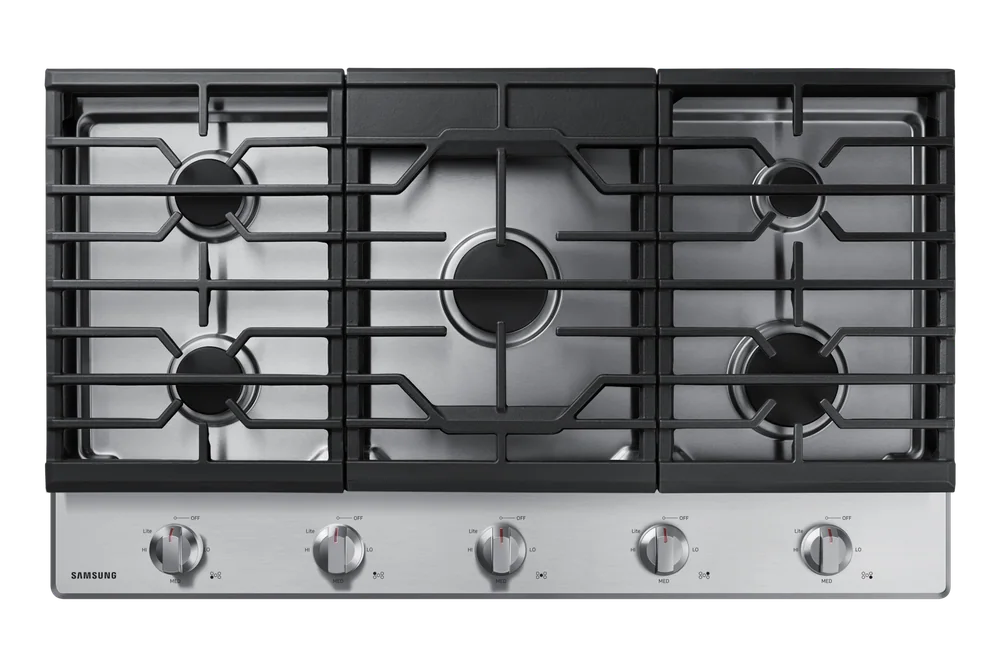
Samsung NA36R5310FS 36-inch Gas Cooktop

How a bridge element works (and what it is not)

On an electric radiant cooktop, each zone is an electric heating element under a glass-ceramic top. A bridge element is usually a control mode that energizes two neighboring elements at the same time so a longer pan gets heat from both. On induction, the cooktop uses electromagnetic coils under the glass to heat compatible cookware directly. Bridging on induction typically coordinates two coils so the cooktop treats them like one larger area.

A bridge element is not the same thing as a dedicated griddle burner. It does not magically turn a round zone into a perfectly rectangular heater. You still get the best results when your cookware makes good contact with the surface and the heated areas line up under the pan. If the "bridge" is just two circles turned on together, the center of a long pan can still run cooler than the ends.

When bridging actually improves griddle cooking

Bridging helps most when you cook with a stovetop griddle or plancha that spans two zones. Without bridging, you often have to run two burners separately and guess at matching heat levels. That can lead to one side browning faster, pancakes cooking unevenly, or bacon rendering differently across the surface. A bridge mode simplifies this by letting you set one power level for the combined area.

It also helps with long cookware like a fish pan, a long skillet, or an oblong Dutch oven used for braising. The practical win is fewer hot and cool bands across the pan, which means more consistent searing and less babysitting. If you already own a griddle, measure its footprint and compare it to the spacing of the two zones. If the griddle overhangs a lot, the ends will still lag behind.

When a bridge element is mostly unused

Many people imagine they will cook big breakfasts on a griddle, then default to a skillet because it is faster to clean and store. If your everyday cooking is one large pot plus one skillet, a bridge element may not change anything. In some layouts, the bridged zones are medium sized and placed where you would rather have one truly large zone for a stockpot or a wide sauté pan.

Another common letdown is cookware mismatch. A bridge feature is only as useful as the pans you will actually use across it. If you do not own a griddle, or you prefer cast iron pieces that are smaller and heavier, you may never span two zones. Also consider that bridging can reduce flexibility. When two zones are linked, you cannot use them independently at different heat levels, which matters when you are trying to cook two dishes at once.

Buying and setup checks that matter

Start with layout, not the feature list. Look at the diagram of zone sizes and spacing. Ask yourself: can I fit my two most-used pans side by side without handles colliding, and does the bridge sit where I would actually place a griddle? If the bridge is on the back row but you prefer front-row cooking for visibility and stirring, you may not use it.

Plan for storage and cleanup. A griddle that lives in a cabinet you hate opening will not get used. If you do buy a griddle, choose one that sits flat and is sized to the bridged area. For electric radiant, avoid sliding heavy griddles across the glass to prevent scratches. For induction, confirm the griddle is induction-compatible (magnetic) and flat enough to make good contact, or you will get uneven heating and noisy vibration.

What this guide helps you understand

Decide whether a bridge element will improve the specific long-pan or griddle cooking you already do, or whether you would be better served by a simpler layout with a larger round zone.

Check the zone layout diagram and compare it to the footprint of your griddle or longest pan before you pay extra for a bridge feature.

Technique notes

If you rarely cook with long cookware, prioritize a cooktop with at least one generously sized front-row zone and good spacing over a bridge you will not use.

Safety note: Use long pans and griddles on the zones recommended by the manufacturer, and keep handles from sticking out where they can be bumped.

More from Cooktops

← Back to Cooktops