Simmer control explained: why low heat matters more than you think
Published Updated
A cooktop that cannot hold low, steady heat will scorch delicate foods and make everyday cooking harder, even if it boils water fast.
Reading time: 8 minutesBest for: Cooks who make sauces, rice, oatmeal, soups, or chocolate and want fewer scorched pans and less babysitting
What "simmer" means in cooking terms
A simmer is gentle bubbling, not a rolling boil. In practical terms, it is the point where a liquid is hot enough to cook and reduce slowly without aggressive agitation. For sauces, that gentle heat prevents splitting and helps flavors concentrate. For grains, it keeps the pot from boiling over while still cooking through. For dairy based foods, it reduces the chance of scorching on the bottom.
The challenge is that "simmer" is not the same for every pot. A wide sauté pan evaporates faster than a tall saucepan, so it may need a slightly higher setting to maintain the same bubbling. A thin pan heats and cools quickly, which can create hot spots that scorch even at low heat. When you judge simmer control, you are really judging whether the cooktop can deliver a small amount of heat evenly and predictably to your cookware.
Why some burners cycle or run too hot
Many electric radiant and some induction setups regulate low heat by cycling: turning power on and off to approximate a lower average temperature. Cycling is not automatically bad, but if the on bursts are too strong or too long, the pan bottom can spike in temperature and scorch food between stirs. You may notice this as a pattern of bubbling that comes and goes, or a sauce that sticks even though the setting looks low.
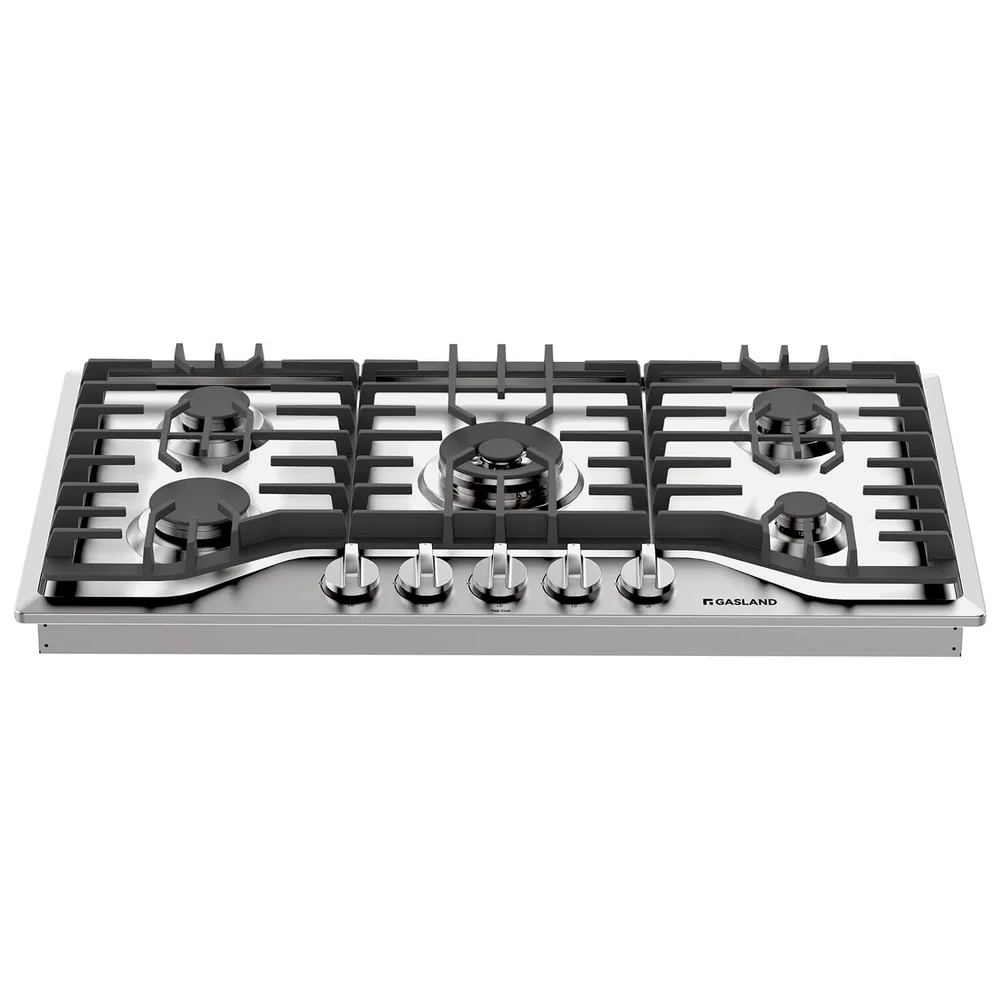
Gas can also run too hot at the low end if the burner design and valve control do not allow a stable small flame. A flame that is too large for the pan bottom can heat the sides and create uneven simmering. Another issue is grate height and airflow. If the pan sits far above the flame, you may need a higher setting to maintain simmer, which increases the risk of hot spots. Low end performance is about control range, not just maximum output.
Induction low-end control vs gas flame stability
Induction heats the pan directly using a magnetic field, which can make it very responsive. That responsiveness can be great for quick adjustments, but low end behavior depends on how the cooktop manages power at small settings. Some induction cooktops hold a very steady low heat, while others pulse noticeably. Your cookware matters too. A heavier, flatter pan can smooth out pulses by spreading heat and holding thermal mass (stored heat).
Gas offers a visible flame and continuous heat, which many cooks find intuitive. The low end can be excellent when the burner and valve allow a tiny, stable flame that does not flicker out. The downside is that gas heat wraps around the pan and is more affected by drafts and pan position. If you often use small saucepans, pay attention to whether the grate and burner size keep the flame under the pan rather than licking up the sides.
Practical tests you can do in your own kitchen
If you are evaluating a cooktop in a showroom or right after installation, test with foods that reveal problems quickly. Try melting chocolate or butter in a small saucepan at the lowest setting you would realistically use. If you see scorching at the edges or you have to lift the pan constantly, the low end may be too aggressive. Another simple test is a small pot of milk or a cream sauce base, which will show hot spots fast if you stop stirring.
Also test a covered pot of rice or oatmeal. Bring it to a boil, then reduce to your intended simmer setting and watch for two things: does it maintain gentle bubbling without boiling over, and does it keep cooking without going dead calm for long stretches. Use the pan you actually own, not the store's demo pan. If your cookware is thin, consider upgrading one or two key saucepans, since better pans can make any cooktop's low end easier to manage.
What this guide helps you understand
When you shop, treat simmer control as a daily comfort feature: steady low heat reduces scorching, reduces babysitting, and makes delicate foods more predictable than chasing maximum power numbers.
Confirm the cooktop offers a genuinely usable low setting by testing a small saucepan task (melting butter or holding a gentle simmer) with your cookware or a similar weight pan.
Technique notes
If low heat feels touchy, a heavier pan with a flat base often improves results by spreading heat and buffering temperature swings.
Safety note: When testing low heat, stay nearby. Small pots can boil over or scorch quickly, especially on unfamiliar controls.