
What to know first
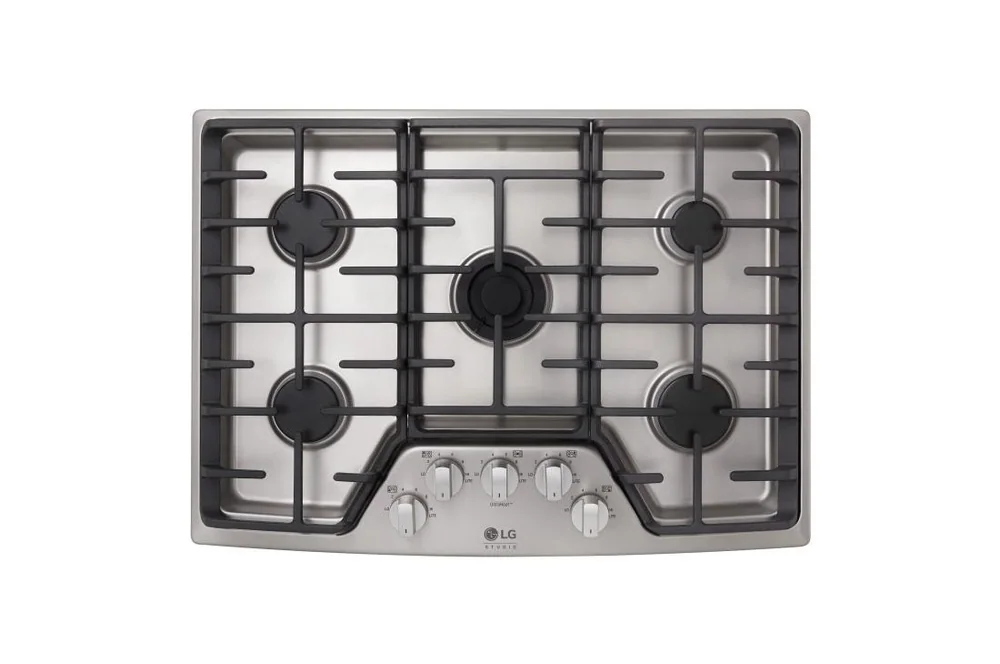
- 30-inch gas cooktop with 5 sealed burners and cast-iron grates.
- Center burner output is documented as 19,000 BTU on one variant and up to 24,000 BTU (UltraHeat) on another.
- Sealed burners are the practical “easy cleanup” feature: spills stay on the surface instead of dropping into burner wells.
- Simmer BTU figures are documented on the spec sheet, which is what you want to see if you cook sauces or melt chocolate.
- Fit is not automatic just because it’s called “30-inch.” Confirm cutout and clearance requirements before you commit.
What the LG Studio 30-Inch Gas Cooktop is
The LG Studio 30-Inch Gas Cooktop is a built-in gas cooktop meant for a standard 30-inch slot in your countertop. It’s designed for people who want a separate cooktop and wall oven setup, or who want to put the cooking surface on an island for a more open kitchen layout.
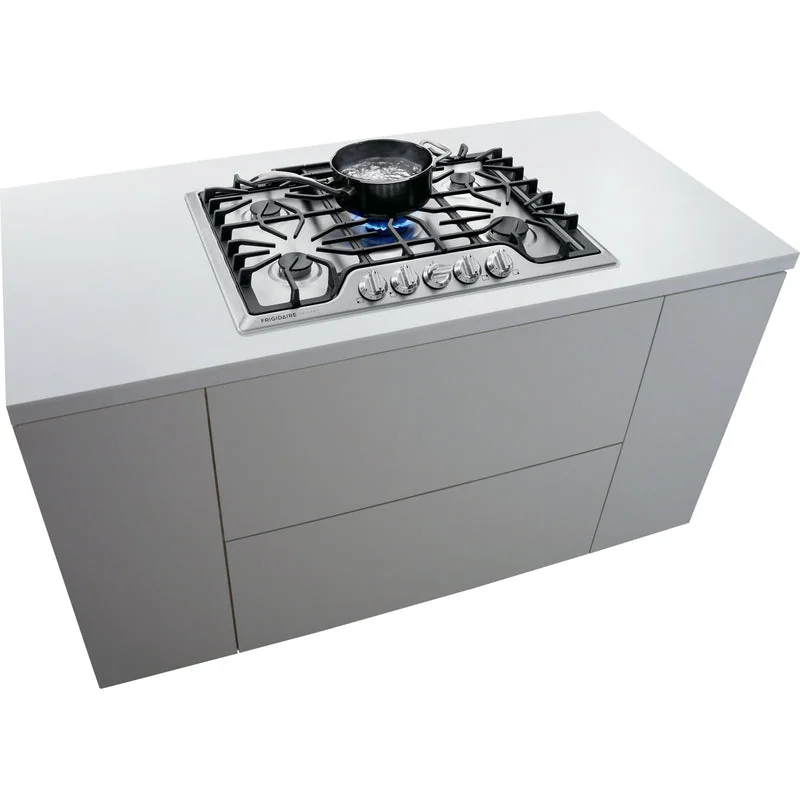
This cooktop uses sealed gas burners (five total) topped with cast-iron grates. Sealed burners are the style most shoppers prefer for a built-in because they keep spills from falling into open cavities around the burner, which is where cleanup gets annoying fast.
The headline feature is the center burner. Depending on the model variant, that center burner is documented at 19,000 BTU or up to 24,000 BTU (LG calls the higher-output version UltraHeat). That’s the burner meant for your biggest pot of pasta water or the pan you want ripping hot for a steak.
Why it stands out
You’re paying for two things here: the LG Studio design language and a burner setup that’s built to cover both ends of cooking. The high end is the center burner, which is documented at 19,000 BTU on one variant and up to 24,000 BTU on another. In plain terms, that’s the burner you use when you’re tired of waiting for water to boil or you want enough heat to actually sear instead of steam.
The five-burner layout matters more than it sounds. On a 30-inch cooktop, five burners can make weeknight cooking feel less like a puzzle because you can keep a sauce going while you boil, sauté, and warm something else. It also gives you more flexibility to choose a smaller burner for a small pan instead of blasting it on a large one.
Sealed burners and cast-iron grates are the everyday quality-of-life features. Sealed burners make wipe-downs simpler after boil-overs. Cast iron gives you a more planted feel under heavy cookware, which is what you want when you’re sliding a full pot or a cast-iron skillet around.
Low-heat cooking is part of the story too. Simmer BTU figures are documented on the spec sheet, which is the right sign if you cook foods that punish uneven low heat (custards, rice, chocolate, long sauces).
What it is like to own
Day to day, a cooktop like this is about workflow. With five burners, you can spread out and keep different pans at different heat levels without constantly shuffling. The center burner is the one you’ll likely treat as your “power spot,” while the other burners handle the supporting roles.
Cleanup is where sealed burners earn their keep. When a pot boils over, the mess stays on the surface instead of running down into open burner wells. You still have grates and burner parts to lift when you do a deeper clean, but sealed burners generally keep the worst of the mess accessible.
One ownership detail that matters with any gas cooktop is ventilation. A strong center burner is great, but it also means more heat and combustion byproducts when you run it hard. If your hood is weak or your kitchen is open to the rest of the house, plan on using the hood consistently, especially for high-heat cooking.
What to know before you buy
First, confirm which LG Studio variant you’re actually buying. The center burner is documented at 19,000 BTU on one model variant and up to 24,000 BTU (UltraHeat) on another. That difference changes how “fast and fierce” the cooktop feels when you’re boiling and searing.
Second, do not assume a “30-inch cooktop” is a guaranteed drop-in replacement. The overall width and the required cutout can vary by model, and replacement projects often come down to matching the cutout and clearance requirements. Measure your countertop opening and compare it to the installation requirements for the exact model number you’re considering.
Finally, remember that gas still needs electricity for ignition and controls. If you’re moving from an older setup or changing locations, make sure you have the right hookups in place before you schedule installation.
The specs that matter
You get visible flame control and broad cookware compatibility, but you also need a gas hookup, electricity for ignition, and good ventilation.
This is the common size for many kitchens, but the cutout is not universal. It’s a fit check, not a guarantee.
Five burners in a 30-inch footprint makes it easier to cook multiple dishes at once and gives you more options for matching burner size to pan size.
This is the burner that changes your day to day speed. Higher output helps with faster boiling, stronger searing, and high-heat stir-fry.
Cast iron is heavy and stable, which helps keep large pots and skillets from feeling wobbly when you stir or slide cookware.
A real simmer spec is a good sign for gentle cooking like sauces and melting, where too much heat can scorch food quickly.
Who this product fits
You cook big weeknight meals and want one burner that really moves
Use the center burner for the big pot or the searing pan, and keep the other burners running sides and sauces. The documented 19,000 BTU to 24,000 BTU center burner (depending on variant) is the point of this cooktop.
You want a modern-looking cooktop for an island kitchen
The LG Studio line is aimed at design-conscious kitchens, and a 30-inch built-in cooktop is a common choice for an island paired with wall ovens. You get gas performance without committing to a full range footprint.
You hate cleaning around burners
Sealed burners keep spills on the surface instead of letting them fall into open cavities. It won’t make cleanup effortless, but it usually makes it more straightforward after messy cooking.
What else to compare
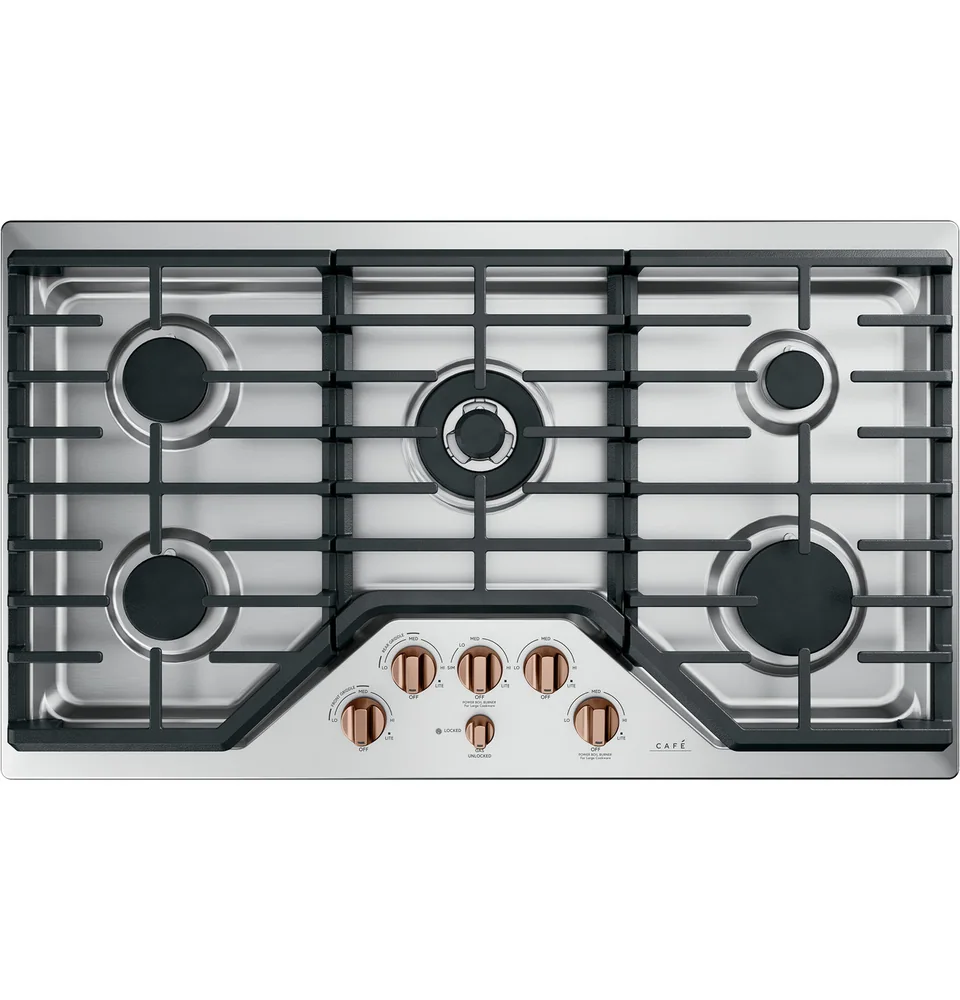
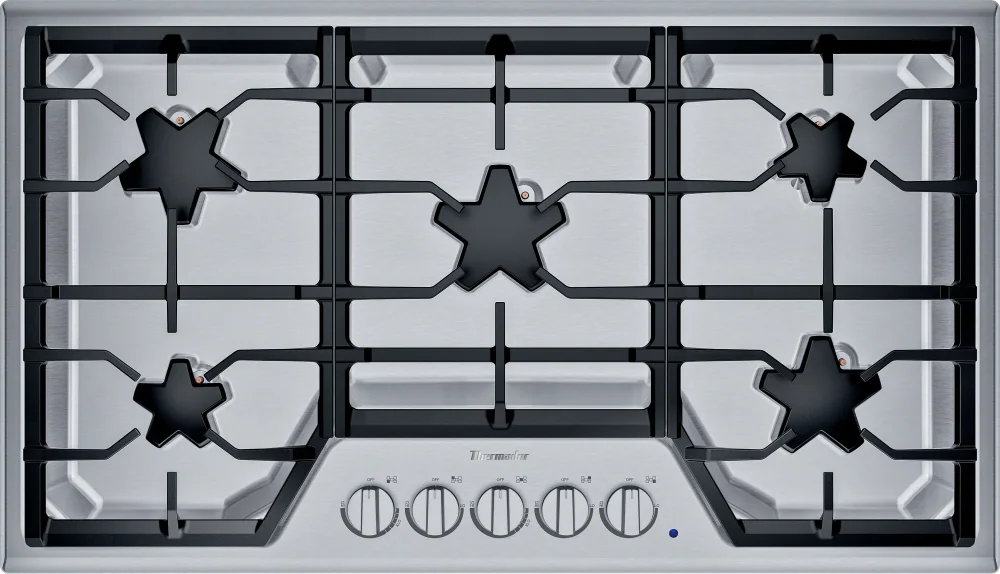
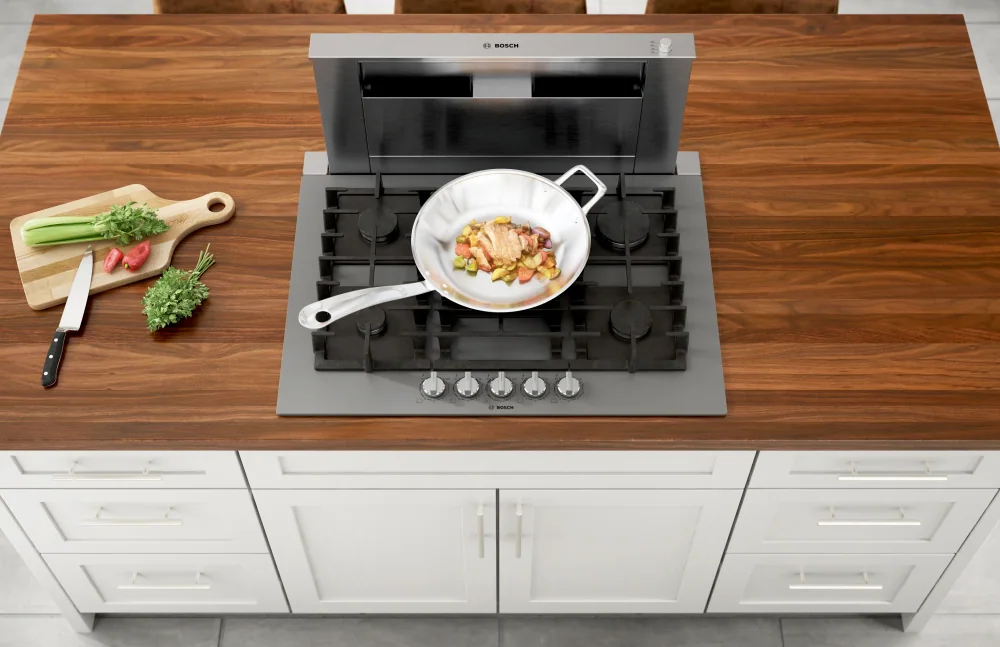
If you like the idea of gas but want a different balance of size, price, or confidence level, these are the models I’d look at next.
LG Studio 30-Inch Gas Cooktop FAQ
How powerful is the LG Studio 30-Inch Gas Cooktop?
It’s built around a strong center burner. Depending on the model variant, that center burner is documented at 19,000 BTU or up to 24,000 BTU (UltraHeat), which is aimed at fast boiling and high-heat cooking.
Is the LG Studio 30-Inch Gas Cooktop easy to clean?
It uses sealed burners, which generally makes spill cleanup easier because messes stay on the surface instead of dropping into open burner wells. You’ll still need to lift grates and wipe around burner parts for a thorough clean.
Will a 30-inch cooktop fit my existing cutout?
Not automatically. “30-inch” is a width class, not a universal cutout standard. Measure your countertop opening and compare it to the installation requirements for the exact LG Studio model number you’re buying.
Do gas cooktops need electricity?
Yes. Gas cooktops still need electricity for ignition and any electronic controls. Make sure you have the proper electrical connection available where the cooktop will be installed.
Do I need special ventilation for this cooktop?
Any gas cooktop benefits from good ventilation, and it matters more when you use a high-output burner often. If you plan to boil and sear on the center burner regularly, a capable hood makes the kitchen more comfortable to cook in.
Should you buy the LG Studio 30-Inch Gas Cooktop?
If you want a sleek, modern 30-inch gas cooktop and you care about having a real power burner for boiling and searing, the LG Studio 30-Inch Gas Cooktop makes sense. The core build is what most shoppers want in this category: five sealed burners, cast-iron grates, and documented simmer specs for low-heat cooking.
Just go in with two checks before you hit buy. Confirm the exact model variant so you know whether you’re getting the 19,000 BTU center burner or the up to 24,000 BTU (UltraHeat) version. Then confirm fit and ventilation. Do those two things and you’ll end up with a cooktop that looks sharp and cooks the way a serious gas cooktop should.