
Pickori

Care

How to clean a glass-top cooktop and avoid permanent-looking marks

Use the right tools and habits to remove cooked-on spills, reduce scratching, and keep a glass-ceramic cooktop clear.

Reading time: 8 minutesBest for: Owners of electric radiant or induction glass-top cooktops who want a clear surface without scratches or haze
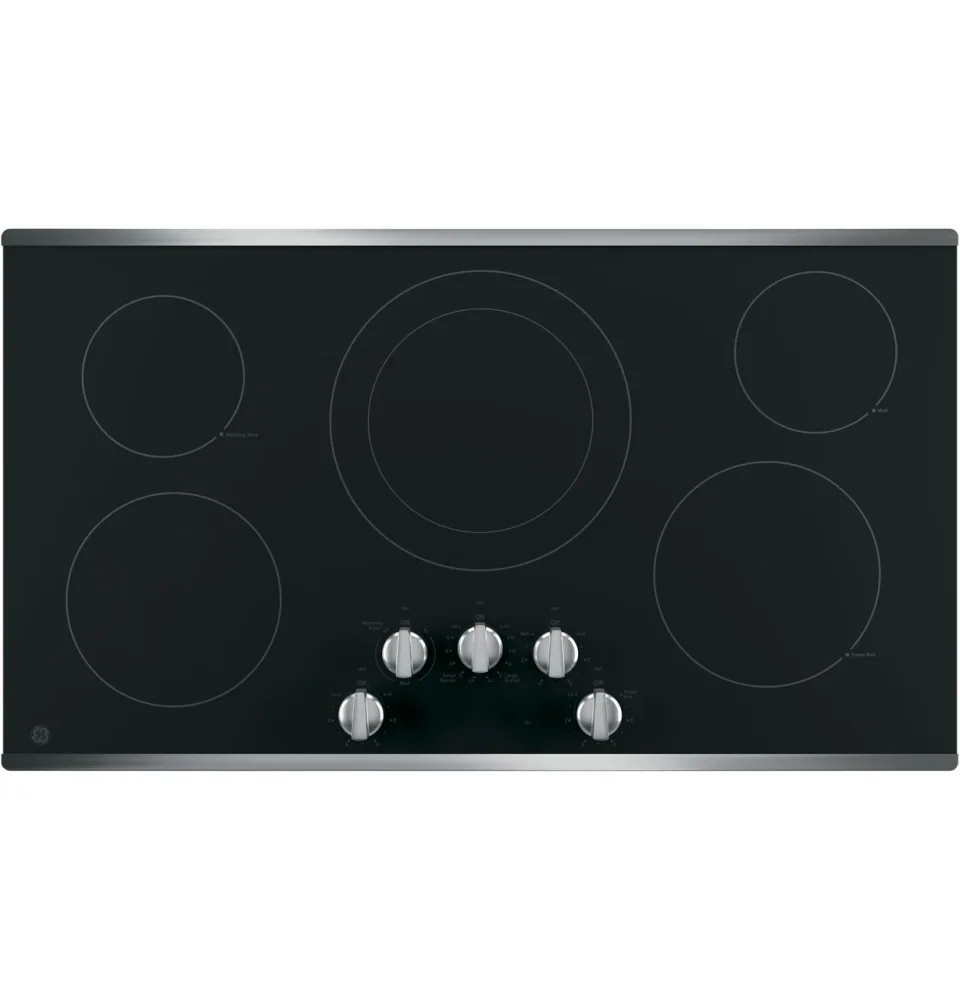
GE JP3036SLSS

What causes rings, haze, and "burnt on" spots

Rings often come from residue on the pan bottom, not just the cooktop. Grease, seasoning oils, or detergent film can transfer to the hot surface and bake on. Haze is commonly a mix of mineral deposits (from water) and cleaner residue that was not fully buffed off. "Burnt on" spots happen when sugary or starchy spills boil over and cook down into a hard layer that bonds to the surface. Cause and effect matters here. If you keep cooking on top of residue, it gets harder each time and can start to discolor. If you scrub with an abrasive pad, you may remove the spot but leave micro-scratches that catch light and look like dull patches. The best results come from softening and lifting residue, then polishing the surface clear.

Tools that help: scraper, microfiber, and the right cleaner

A cooktop scraper (a handled tool that holds a razor blade at a safe angle) is the most effective way to remove cooked-on residue without grinding it into the glass. Used correctly on a cool surface, it shaves off buildup cleanly. Pair it with a microfiber cloth, which grabs fine residue and buffs without scratching. Avoid paper towels for final polishing because they can leave lint and streaks. Use a cleaner made for glass-ceramic cooktops, or a mild dish soap solution for everyday wipe-downs. The key is to remove the cleaner fully. Apply, loosen residue, wipe away, then buff with a clean, slightly damp cloth and dry. If you leave cleaner behind, it can bake on and create a cloudy film that looks like damage but is often just residue.

What to do after sugar, syrup, or plastic melts

Sugar is the big exception where timing matters. If sugar, syrup, jam, or melted plastic hits a hot glass top, it can harden into a glassy layer that bonds aggressively. Turn the burner off. If it is safe to do so, carefully scrape while the spill is still warm (not blazing hot) because it is easier to remove before it fully hardens. Use an oven mitt and keep hands away from the hot zone. After the surface cools, clean again with cooktop cleaner and a microfiber cloth. If you wait until the spill fully cools and then try to scrub it off, you are more likely to scratch the surface. Also avoid reheating the spill "to soften it." That can make bonding worse and spread the mess. Scrape first, then polish.

Habits that keep the surface looking better longer

Lift cookware instead of sliding it, especially cast iron and rough-bottom pans. Sliding is a common cause of fine scratches that build into a dull-looking area. Keep pan bottoms clean and dry. A quick wipe of the pan bottom before cooking reduces rings and burned-on oil. Also match pan size to the heating zone. Oversized pans can trap heat and cook spills onto the surface edge. Clean small spills soon after cooking once the surface is cool enough. A quick daily wipe prevents the cycle where residue bakes on and requires scraping every time. For electric radiant tops, avoid letting empty pans heat on high for long periods, since extreme heat can discolor residue and make it harder to remove. For induction, remember the glass can still get hot from the pan, so the same cleanup habits apply.

More cooktops help

← Back to Cooktops