
What to know first
- SmartLine is a built-in modular system designed to combine multiple modules into one run.
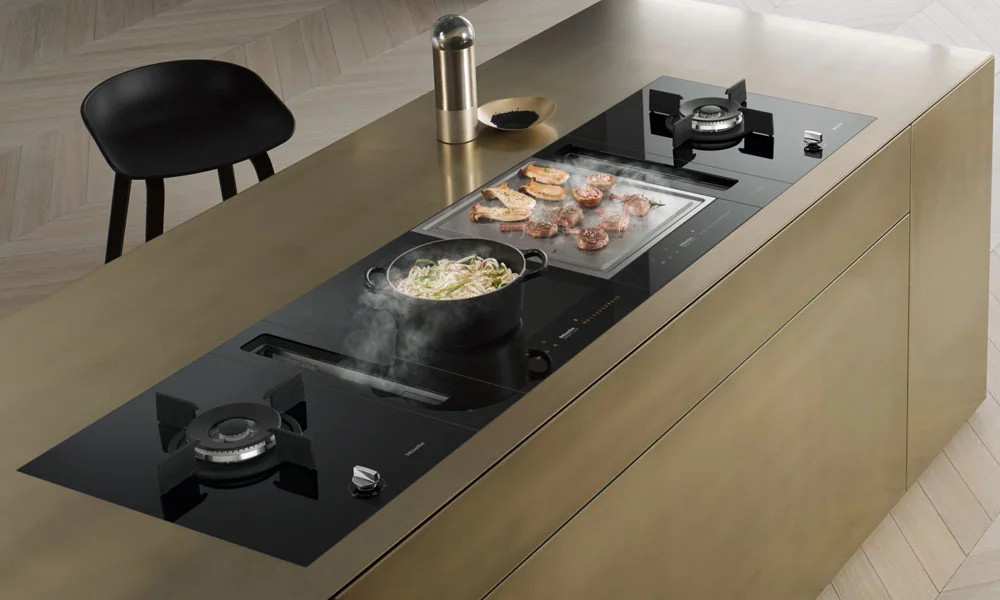
- You can mix cooking functions across modules, including gas and induction, plus specialty options like wok and teppan-style cooking.
- The lineup uses a compact module format (commonly planned around a 15-inch module size), which helps in tight remodel footprints.
- These are flush-fitting, flush-mounted units, so the counter can look clean and integrated.
- Plan installation first: modular cooktops are about cutouts, clearances, and matching your kitchen’s fuel and electrical capabilities.
What the Miele SmartLine CS Series Modular Cooktops is
Miele SmartLine CS Series Modular Cooktops is a built-in modular cooktop lineup. Instead of buying one full-width cooktop with a fixed layout, you choose individual modules and combine them into a single cooking area in your countertop.
The practical benefit is control. You can build a setup that matches your cookware and your habits, like pairing induction with gas, or adding a specialty module like wok or teppan-style cooking if that is how you like to cook.
SmartLine is also designed to look like it belongs in the counter. The modules are described as flush-fitting and flush-mounted, which is what gives you that seamless, built-in finish when the install is done right.
Why it stands out
The biggest reason to pay for SmartLine is that it is a system, not just a single domino unit. It is built around the idea that you will combine multiple modules into one clean run, which makes planning easier than mixing unrelated modular pieces from different lines.
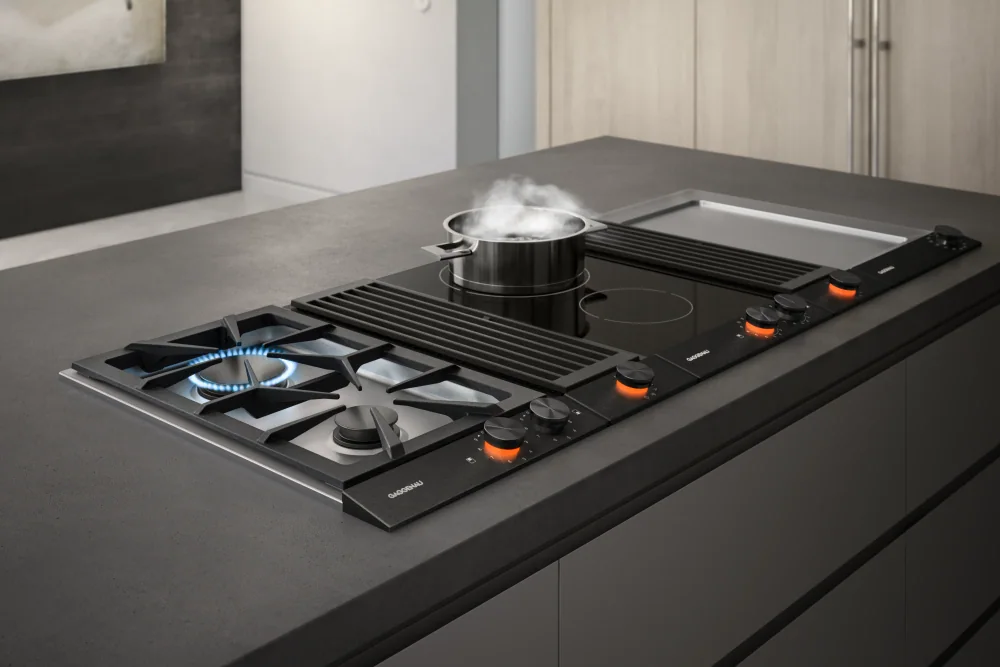
The lineup supports mixing cooking functions across modules. That matters because it lets you solve real kitchen problems. If you love the control and easy cleanup of induction but still want gas for certain pans or techniques, SmartLine is built for that kind of hybrid setup.
SmartLine also supports specialty modules like wok and teppan-style cooking. Those are not “nice to have” features for everyone, but for the right cook they change what you can do day to day without dragging out a separate appliance.
Finally, the compact modular format (often planned around a 15-inch module size) is a genuine advantage in small kitchens and tight remodel footprints. You can build a cooktop area that fits the cabinet base you actually have, not the cabinet base a standard 30-inch cooktop assumes.
What it is like to own
Ownership with SmartLine starts with planning. You are not just choosing a cooktop, you are choosing a layout. That means thinking through where your largest pot will sit, whether two modules will be used at the same time, and how the whole run fits your countertop and cabinet base.
Because SmartLine modules are flush-fitting and flush-mounted, the day-to-day experience is meant to feel integrated with the counter. That can be a big quality-of-life improvement if you hate crumbs and spills collecting around raised edges, but it also raises the stakes on installation accuracy.
Workflow depends on the modules you choose. A gas plus induction mix can be a great “best of both worlds” setup, but it also means you are living with the requirements of both: gas needs a gas connection and still needs electricity for ignition and controls, while induction needs the right electrical circuit.
Ventilation is part of everyday comfort, not an afterthought. If you build a SmartLine layout that leans heavily into gas or high-heat cooking, make sure your hood or downdraft plan matches the amount of heat and cooking byproducts you will generate.
What to know before you buy
Fit is not automatic with modular cooktops. A “15-inch module” does not guarantee a universal cutout, and modular layouts multiply the number of cutouts and clearances you have to get right. If you are replacing an older unit, matching the existing countertop opening is often the deciding factor.
Be honest about what you will use. Specialty modules like wok and teppan-style cooking are great when they match your cooking style, but they do not improve your day if you mostly boil pasta, scramble eggs, and simmer sauces. Modular only pays off when the modules you choose earn their space.
Do not ignore hookups. Gas modules still need electricity for ignition and controls, and induction modules need the correct electrical requirements. If your kitchen cannot support the modules you want without extra work, the “custom dream layout” can turn into a costly surprise.
The specs that matter
You are not locked into a fixed burner layout. You can build a cooking area that matches your cabinet base and how you cook, but you also have to plan the layout and installation more carefully than with a standard cooktop.
This is the main reason to choose a modular system. You can put the cooking method you prefer where you want it, instead of compromising with an all-gas or all-electric setup.
If you will use them, these modules can replace separate countertop appliances and make your cooktop area more capable without taking more space.
A flush install can look cleaner and feel more integrated with the counter. It also means the cutout and install details matter more, since the finish is less forgiving.
This is what makes SmartLine attractive for tight remodel footprints. Smaller modules let you build a cooktop run that fits your space instead of forcing a full-width cooktop.
Your dream layout has to match your kitchen’s hookups. Getting this wrong can add cost and complexity, or limit which modules you can realistically install.
Who this product fits
You are remodeling a small kitchen and a 30-inch cooktop wastes space
SmartLine lets you build a narrower or more tailored cooking run using compact modules, so you can keep the cooking you need without forcing a full-width appliance into a tight cabinet plan.
You want induction for daily cooking but still want gas for specific techniques
With SmartLine, you can combine induction and gas modules in one integrated countertop layout, instead of choosing one fuel type for the whole cooktop.
You actually cook with a wok or want a teppan-style surface built in
SmartLine supports specialty modules, so you can dedicate part of your cooktop area to the cooking style you use, without relying on a separate portable appliance.
What else to compare
If SmartLine is more planning than you want, there are other modular and compact options that can make more sense.
Miele SmartLine CS Series Modular Cooktops FAQ
Is the Miele SmartLine CS Series Modular Cooktops a full cooktop or separate pieces?
It is a modular system made up of separate built-in modules. You choose the modules you want and combine them into a single run in your countertop.
Can I mix gas and induction in the same SmartLine setup?
Yes. SmartLine is designed to support mixing cooking functions across modules, including gas and induction, so you can build a hybrid layout.
What does flush-mounted mean for a modular cooktop?
Flush-mounted means the modules are intended to sit level with the countertop for a seamless look. It can look great, but it also makes correct cutout sizing and installation details more important.
Do gas modular cooktops still need electricity?
Yes. Gas cooktops typically still need electricity for ignition and controls, so you should plan for both a gas connection and electrical power.
What should I check before replacing an older cooktop with SmartLine modules?
Start with fit. Countertop cutouts are not universal, and modular layouts require specific openings and clearances. Also confirm your kitchen can support the fuel type and electrical requirements of the modules you want.
Should you buy the Miele SmartLine CS Series Modular Cooktops?
Buy the Miele SmartLine CS Series Modular Cooktops if you are planning a remodel and you want a built-in modular system that is meant to be combined into a clean, cohesive layout. The ability to mix gas and induction, plus add specialty modules like wok and teppan-style cooking, is the real value here.
Skip it if you want a simple replacement or you do not want to think through cutouts, clearances, and hookups. SmartLine is a great fit when you plan intentionally and build a layout you will use. If you just need a standard cooktop to drop into an existing opening, a traditional full-width model is usually the more straightforward path.