
Pickori

Cooktop advice

How induction cooktops work and what that changes in daily cooking

Induction heats the pan directly using magnetism, which changes speed, control, cleanup, and which cookware you can use.

Reading time: 9 minutesBest for: Shoppers considering induction who want to understand cookware compatibility, performance, and daily use changes.
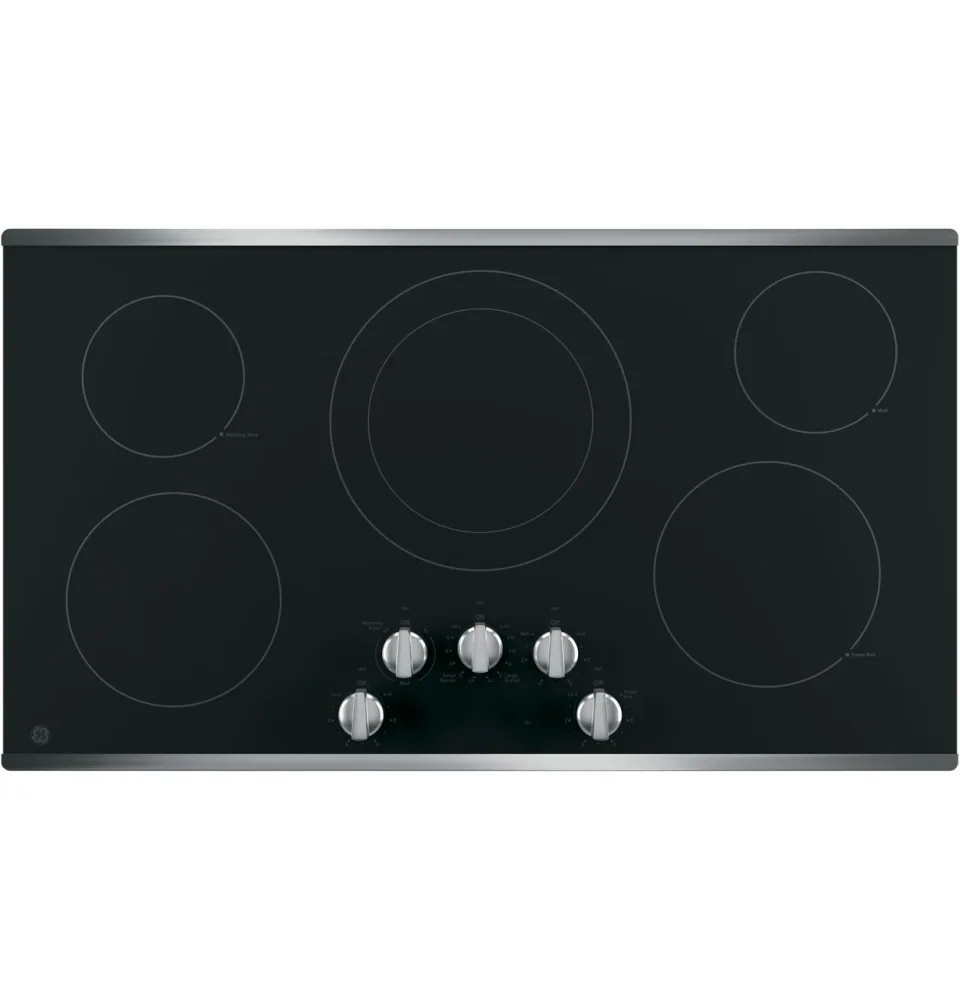
GE JP3036SLSS

What induction heating is (and what it is not)

Induction uses a coil under the glass to create a magnetic field. When a compatible pan sits on the cooking zone, that magnetic field induces heat in the pan's base. In plain terms, the pan becomes the heating element. This is different from electric radiant cooking, where an element glows hot under the glass and the glass transfers heat to the pan. Because the pan is doing the heating, induction can change temperature quickly. When you lower the setting, the pan stops receiving as much energy right away, so it is easier to prevent boil-overs or pull a sauce back from the edge. It also means the cooktop surface is easier to wipe down during and after cooking, since spills are less likely to bake on as hard as they can on a very hot radiant surface.

Cookware compatibility: the non-negotiable requirement

Induction needs magnetic cookware. A simple check is whether a magnet sticks firmly to the bottom of the pan. Many stainless steel pans work, but not all, because some stainless is not magnetic. Cast iron is typically compatible. Aluminum and copper usually are not unless they have a magnetic layer built into the base. If you have a favorite set, check each piece, not just the brand name. Compatibility is not only about "works or does not work." Pan base size and flatness matter. If the base is warped or too small for the zone, heating can be uneven or the cooktop may cycle power in a way that feels inconsistent. For best results, use flat-bottom pans that match the zone size closely. This is also why induction can feel more precise with quality cookware and more frustrating with thin, uneven pans.

What changes in daily cooking: speed, control, and some quirks

Induction is known for fast boiling and strong high-heat performance, but the more meaningful change for many kitchens is low-end control. Holding a steady simmer or melting gently is often easier because the cooktop can deliver small, repeatable adjustments. That said, the pan still has heat stored in it, so a heavy pan will continue cooking for a bit even after you reduce power. Think of induction as faster control of energy input, not instant cooling of the food. You may notice sounds you did not have with gas, like a faint hum or a fan. Some cookware can make more noise than others, especially at higher power. You might also see power sharing on certain layouts, where two zones on the same side cannot both run at maximum at the same time. This is not automatically a problem, but it affects how you plan high-heat tasks when multiple burners are going.

Setup, cleaning, and buying specs that actually matter

Installation is mostly about electrical requirements. Induction cooktops typically need the correct voltage and enough circuit capacity. If you are switching from gas or from a basic electric cooktop, confirm your existing wiring and panel capacity before you commit. Also think about ventilation. Induction does not create combustion byproducts like gas, but it still produces steam, smoke, and grease when you sear or stir-fry, so a good hood still matters for comfort and cleanup. For ownership, treat the glass like a working surface that can scratch. Use cookware you can lift rather than drag, and clean with products meant for glass-ceramic tops. Avoid abrasive pads that haze the surface. When comparing models, prioritize usable zone sizes, control usability (especially for quick changes), and low-end performance for simmering. Marketing terms like "power boost" are only helpful if the zone size and pan size let you use that power without crowding other burners.

What this guide helps you understand

Decide if induction fits your kitchen by confirming cookware compatibility and understanding how its fast, pan-focused heating changes control, noise, and installation needs.

Test your most-used pans with a magnet and confirm the cooktop's electrical requirements match your kitchen before buying.

Technique notes

Induction often rewards heavier, flatter cookware with more even heating and steadier low settings, so budget for a few key pans if needed.

Safety note: Induction surfaces can still be hot from the pan after cooking. Treat the glass as hot until it cools, and keep metal items like utensils and lids off active zones.

More from Cooktops

← Back to Cooktops