Gas, electric radiant, and induction cooktops explained in plain English
Published Updated
Understand how each cooktop type heats, how it responds when you adjust the knob, and what cleanup and ownership feel like day to day.
Reading time: 8 minutesBest for: Shoppers choosing between gas, radiant electric, and induction for a remodel or replacement
How each heat source actually transfers heat to food
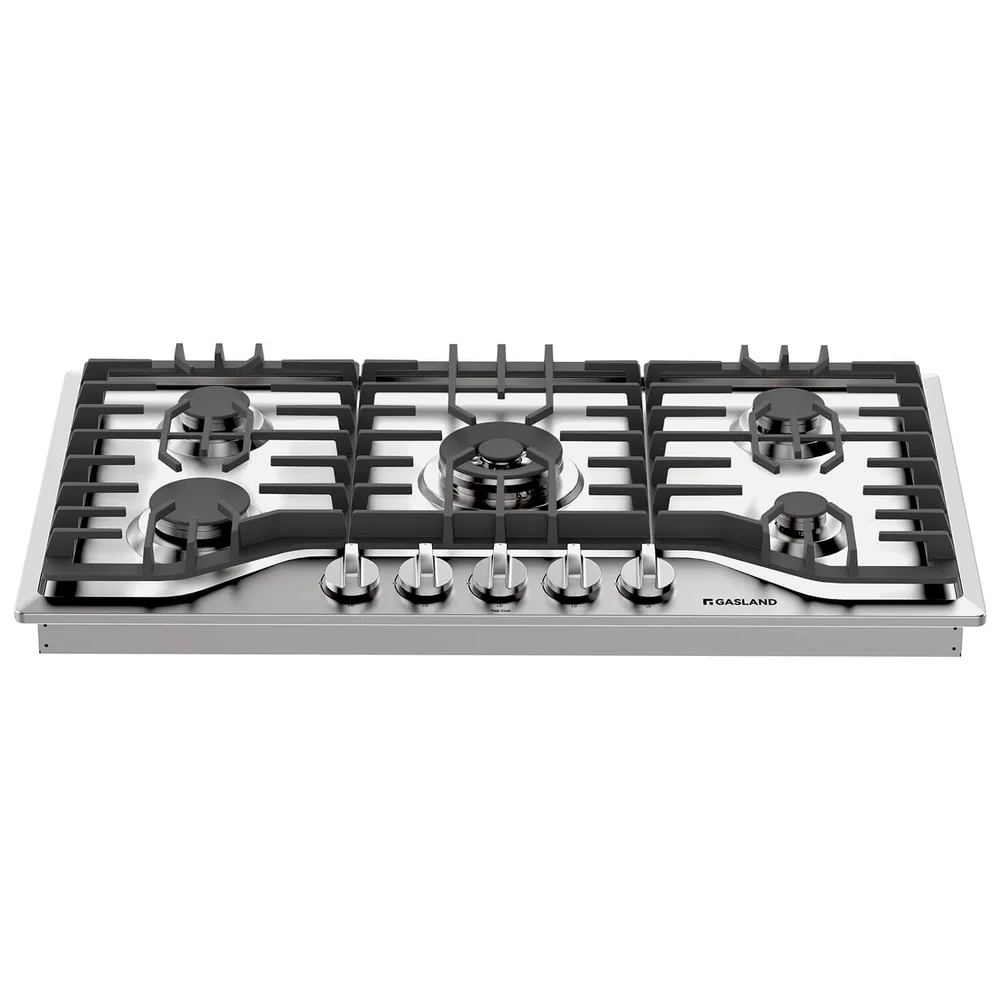
Gas cooktops burn fuel to create a flame. Heat transfers to the pan mostly through hot gases and direct flame contact. You can see the flame size, which makes it intuitive. Gas also heats the air around the pan, which can warm the kitchen and send more heat and moisture toward your hood. Electric radiant cooktops use electric elements that glow hot under a glass-ceramic surface. The glass gets hot, then transfers heat to the pan by contact. Because the surface itself stores heat, it can keep cooking after you turn the control down. That stored heat is helpful for steady cooking, but it can also lead to overshooting if you are used to gas.
Induction cooktops use a coil under the glass to create a magnetic field. That field induces heat in compatible cookware, so the pan heats directly and the glass mostly warms from contact with the hot pan. In practice, this means fast heating and less wasted heat into the room. It also means the cooktop depends on the pan: if the pan is too small, warped, or not magnetic, performance suffers. A simple compatibility check is whether a magnet sticks firmly to the bottom of your pan. Many stainless steel and cast iron pans work. Some aluminum and copper pans do not unless they have a magnetic base layer. If your favorite cookware is not compatible, induction can become an unexpected extra expense.
Responsiveness: what changes when you turn the heat down
Responsiveness is how quickly the cooking heat changes when you adjust the control. Gas is responsive because the flame changes immediately. If you lift a pan off the flame, the heat source is no longer heating the pan. That makes gas forgiving for quick adjustments, like pulling a sauce back from a boil. Electric radiant is less responsive because the element and the glass hold heat. When you turn it down, the element cools gradually, and the glass continues to transfer heat. You often need to anticipate changes, especially with delicate foods. A common habit is moving the pan to a cooler zone or briefly lifting it to slow cooking while the surface catches up.
Induction is typically the most responsive because the pan itself is the heating element. When you turn it down, the pan receives less energy right away. This can make it easier to hold a steady simmer without scorching, but it also changes how you use cookware. A thin pan can heat very quickly and show hot spots, while a thicker pan spreads heat more evenly. Also pay attention to low-end control. Some cooktops cycle power on and off at low settings. That cycling can cause a gentle "pulse" of simmering instead of a steady low heat. If you cook sauces, rice, or custards often, low-end behavior matters more than the highest power number.
Cleaning and durability differences you live with
Gas cooktops have more parts: grates, burner caps, and sometimes removable burner heads. Spills can bake onto grates and collect around burner bases. The upside is that gas tops are generally tolerant of heavy cookware and sliding pans. The downside is time. If you want gas and you value easy cleaning, look for grates that lift off in manageable sections and burner parts that come apart without tools. Electric radiant glass tops wipe down quickly when they are cool, but the surface shows smudges and can scratch. Sugary spills are the big enemy because they can bond to hot glass and become difficult to remove. Using the right cleaner and a non-scratching pad helps keep the surface clear without dulling it over time.
Induction shares the same glass-top care needs, but it has one practical advantage: the surface tends to be cooler around the pan, so spills are less likely to bake on. That does not mean "spill-proof." A boiling pot can still overflow, and a hot pan can still discolor residue. You still want to wipe up quickly and avoid dragging gritty pan bottoms across the glass. Durability is also about controls. Knobs are simple and familiar, but they can collect grease. Touch controls look sleek and wipe clean, but they can be fussy with wet fingers and can be easier to trigger accidentally. If you cook with messy hands, control style becomes a daily comfort issue, not a showroom detail.
Who each type tends to make happiest
Gas tends to make happiest the cook who wants visible feedback and uses a wide variety of cookware, including round-bottom woks or odd-shaped pans. It also suits people who cook with high heat often and do not mind a bit more cleanup. Gas is less satisfying when ventilation is weak or when you want the kitchen to stay cooler. Electric radiant tends to make happiest the shopper who wants a smooth surface, predictable steady heat, and a simpler installation than gas in many kitchens. It is a good fit for people who do not constantly adjust heat mid-cook. It can frustrate cooks who want quick changes and who dislike managing residual heat.
Induction tends to make happiest the busy household that wants fast boiling, strong control, and easier wipe-downs. It is also appealing if you want less ambient heat in the kitchen. The tradeoffs are cookware compatibility and the need to learn a slightly different feel, especially with very fast heating. If you are unsure, think about your most common tasks. If you boil pasta and sear proteins several nights a week, speed and high heat matter. If you simmer soups, cook grains, and reheat gently, low-end control and evenness matter. Matching the cooktop to your habits usually beats chasing the biggest power claim.
What this guide helps you understand
Choose a cooktop by how it behaves at both ends of the dial: how quickly it heats for boiling and searing, and how steadily it holds low heat for simmering and melting. The day-to-day feel matters more than the headline features.
Confirm your kitchen can support the fuel and electrical needs of the cooktop type you want before you shop by features.
Technique notes
If you are considering induction, test your current pans with a magnet and list which ones would need replacing. That gives you a realistic budget.
Safety note: Use ventilation consistently, especially with gas and high-heat cooking, to reduce heat, odors, and grease buildup in the kitchen.