
Pickori

Cooktop advice

What size cooktop do I need for my kitchen and cookware?

Choose between 30-inch and 36-inch cooktops by matching your cutout, cookware, and burner layout to how you actually cook.

Reading time: 9 minutesBest for: Homeowners choosing between 30-inch and 36-inch cooktops, especially for remodels or replacements.
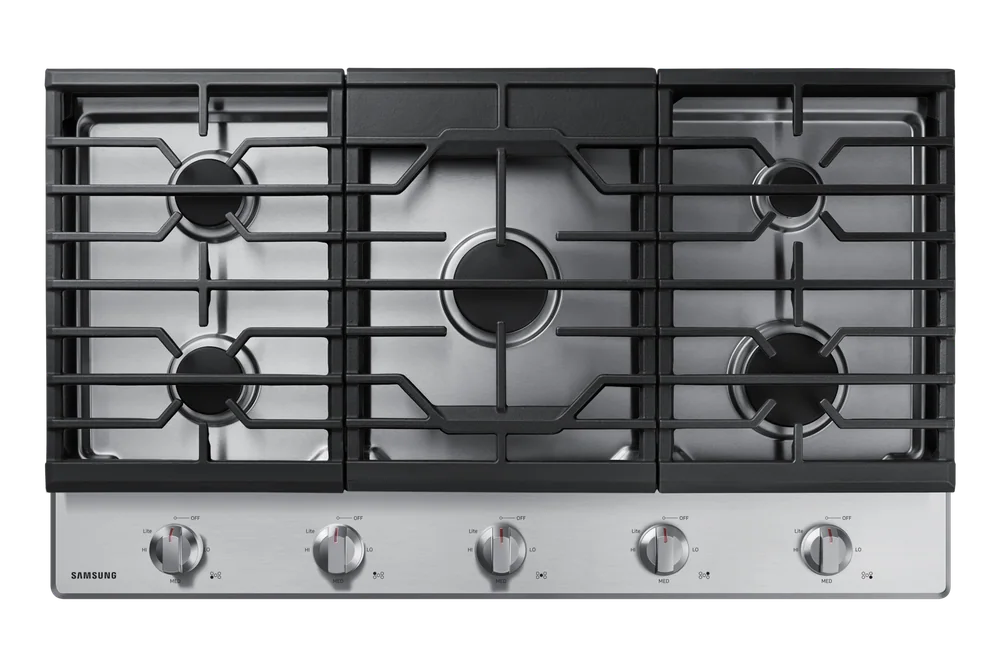
Samsung NA36R5310FS 36-inch Gas Cooktop

Start with the cutout, not the advertised width

Cooktops are built to drop into a countertop cutout, which is the rectangular opening in the counter. Two cooktops that are both sold as 30-inch can require different cutout dimensions and different clearances to the back wall, side walls, and cabinet below. If you buy by advertised width only, you can end up needing countertop work, which can turn a simple replacement into a bigger project. Before you shop, measure the cutout width and depth, then note what is around it: backsplash height, nearby upper cabinets, and any drawer or oven below. Also check the installation requirements for front-to-back clearance. This matters because a cooktop that sits farther back can make front burners harder to reach and can push large pans into the backsplash area.

Think in pan footprints, not burner counts

Usable space is about pan footprints, meaning the real diameter of the pots and pans you use most. A cooktop can have five burners, but if two large pans overlap, you will still cook like you have three. Pull out your most common pieces, like a 12-inch skillet, a stockpot, and a sauté pan, and imagine using two of them at the same time. If you often cook pasta while simmering sauce, that pairing is your real test. A 36-inch cooktop usually gives you more separation between burners, which helps when you use wide cookware or long handles. But layout can erase that advantage. If the biggest burner is placed in a corner or too close to another burner, you may not be able to center a large pan. Look for generous spacing around the high-power burner because that is where you will want your largest cookware.

30-inch vs 36-inch: what you gain and what you give up

A 30-inch cooktop can be the right choice when you cook with medium-size pans, have limited counter space, or want more uninterrupted prep area on both sides. It also tends to fit more existing cutouts, which can reduce installation surprises. The tradeoff is that you may need to plan your cooking order, since two large pans can crowd each other and force you to use smaller burners than you want. A 36-inch cooktop is most helpful when you regularly use large cookware, cook multiple dishes at once, or want a dedicated high-power burner plus enough room for supporting burners. The tradeoffs are cost, potentially higher ventilation needs (especially with gas), and the fact that a wider unit can push controls into less convenient places. If the controls are on the side, check whether a large pan will block access or expose your hand to heat when adjusting settings.

Match size to how you cook, then confirm the details that matter

If you mostly do weeknight cooking with one or two pans, prioritize a layout that keeps your favorite burners accessible and gives you at least one strong burner and one gentle simmer option. If you batch cook, entertain, or use a griddle, size becomes more valuable, but only if the cooktop supports your cookware. A bridge element (two zones that can link together) is only useful if you actually use a griddle or long pan and the linked zones line up with its shape. Once you pick a size, confirm the practical details: where the largest burner sits, whether two large pans can sit side by side, and whether the control placement works with your dominant hand and your typical pan handles. Also confirm electrical and fuel requirements early. Even gas cooktops need electricity for ignition and controls, and a change in cooktop type can mean new wiring or circuit capacity.

What this guide helps you understand

Pick a cooktop size that fits your cutout and lets your most-used pans work together without crowding or awkward control access.

Measure your countertop cutout (width and depth) and compare it to the cooktop's required cutout and clearances before buying.

Technique notes

A wider cooktop can increase how much heat and steam you generate at once, so plan ventilation as part of the size decision, not after.

Safety note: Keep pan handles turned inward and avoid placing oversized pans where they can overhang edges or interfere with controls.

More from Cooktops

← Back to Cooktops