
Pickori

Cooktop advice

Glass-ceramic cooktop surfaces: durability, scratches, and daily care

Glass-ceramic tops clean fast, but the wrong cookware and cleaning habits can leave permanent marks and scratches.

Reading time: 9 minutesBest for: Anyone choosing between radiant electric and induction, or trying to keep a glass-top cooktop from looking scratched and cloudy
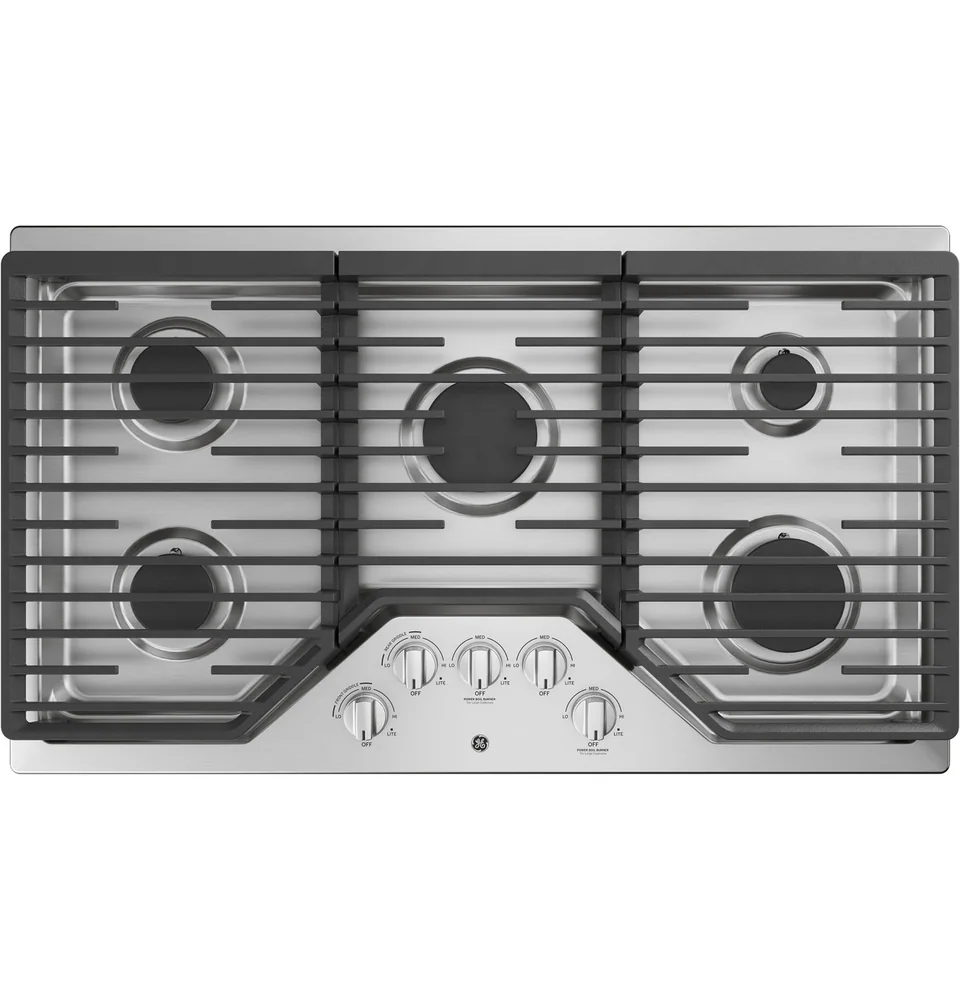
GE JP5036SLSS

What glass-ceramic is, and what it is not

Glass-ceramic is engineered to tolerate heat, but it is still a hard, glossy surface that shows wear. It does not dent like metal, but it can chip at an edge if struck by a heavy pan. It also does not like grit. A single grain of sand or salt under a pan can act like sandpaper when you slide the pan. That is why people sometimes see circular micro-scratches in the most-used burner area. It is also not "nonstick." Sugary spills, starchy boilovers, and melted plastic can bond to a hot surface and become difficult to remove. On radiant electric, the surface itself gets very hot because the element heats the glass-ceramic, then the glass heats the pan. On induction, the pan is the main heat source, but the surface still gets hot from contact with the pan and from hot food. Either way, you should treat the top as hot and clean spills promptly once it is safe.

Common causes of scratches, haze, and permanent marks

The biggest scratch cause is dragging cookware. Lifting and setting down pans instead of sliding them makes a visible difference over time. Rough-bottom cookware is another culprit. Some cast iron and some enameled cast iron have textured rings that can leave marks. You can still use these pans, but you need to be more careful about lifting and about keeping the bottom clean. Also watch for cookware with burrs, stuck-on food, or warped bases that rock and grind. Haze and rainbow discoloration are often residue, not damage. It can come from overheated oils, cleaner film, or minerals from water. Burned-on sugar is the one to take seriously. If a sugary spill cooks onto the surface, it can etch the finish if it sits and bakes repeatedly. Another permanent issue is melted plastic or foil. Those can fuse to the surface and may require careful scraping. The longer they remain, the more likely you are to end up with a scar.

Daily cleaning that prevents buildup without scratching

For daily care, wait until the surface is cool enough to touch comfortably, then wipe with a soft cloth or non-abrasive sponge and a cleaner meant for glass-ceramic. The goal is to remove grease film before it bakes on. If you only clean when you can see mess, you end up using more pressure later, which increases the chance of fine scratches. Keep a dedicated cloth for the cooktop so you are not wiping with a towel that picked up grit from the counter. For stuck-on spots, use a cooktop scraper with a fresh razor blade held low to the surface. This is one of the safest ways to remove burned residue because it relies on a sharp edge, not grinding. Scrape gently, then wipe and polish. Avoid abrasive powders and rough scrub pads. They can dull the shine quickly. Also avoid leaving cleaner to dry on the surface. Dried cleaner can create streaks and haze that look like damage until you remove the film.

Cooking habits that protect the surface

Start with clean cookware bottoms. A quick wipe of the pan bottom before cooking prevents grit scratches and reduces smoke from old oil. Use appropriately sized pans. A small pan on a large element encourages overheating and can bake spills into a ring. With radiant electric, avoid repeatedly using the highest setting for routine cooking. High heat is fine when you need it, but constant max heat increases the chance of burned-on residue and can discolor the surface over time. Handle boilovers proactively. If you are simmering pasta or sugary sauces, lower the heat earlier and use a larger pot to reduce foaming. If something spills, turn the element off and address it as soon as it is safe. For induction, remember that the cooktop can beep or reduce power if it senses overheating or an empty pan. That is a helpful feature, but it does not prevent cosmetic damage from a pan that is dragged or from grit trapped underneath.

What this guide helps you understand

Decide whether a glass-ceramic cooktop fits your lifestyle, and if it does, use cleaning and cookware habits that prevent permanent marks.

Check your most-used cookware for flat, smooth bottoms and commit to lifting pans instead of sliding them across the surface.

Technique notes

Many "scratches" are actually metal transfer or cooked-on residue. Try a proper cooktop cleaner and scraper before assuming the surface is permanently damaged.

Safety note: Use a scraper only on a cool surface and keep fingers clear of the blade. Store the scraper safely away from children.

More from Cooktops

← Back to Cooktops