
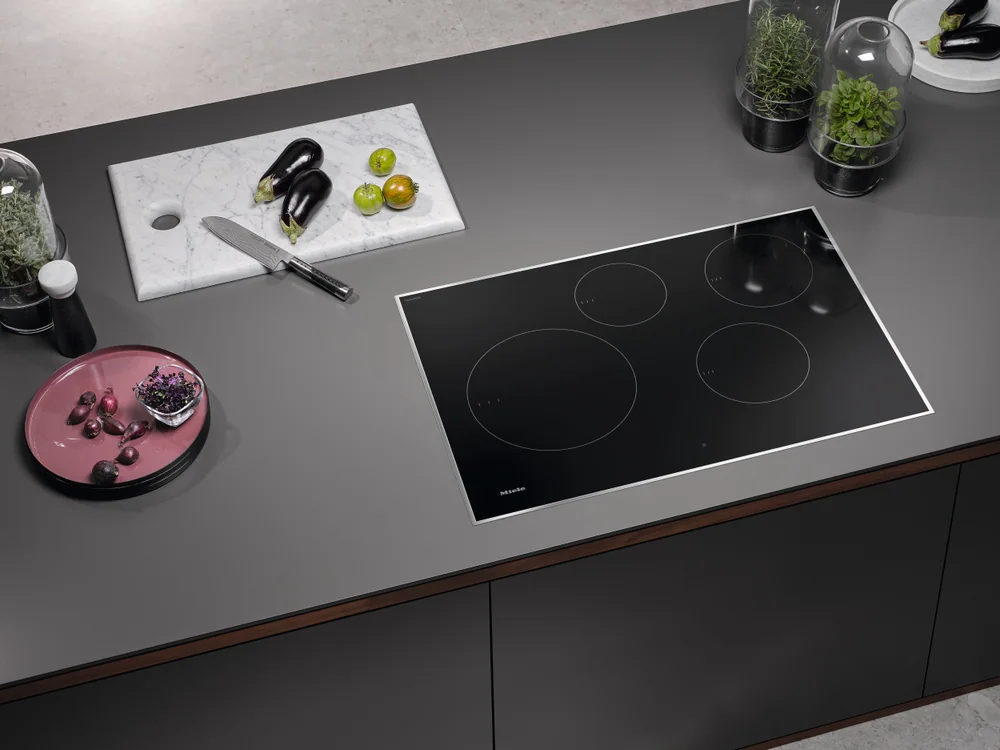
What to know first
- This is a modular built-in family, not one fixed cooktop. You choose modules and build your layout.
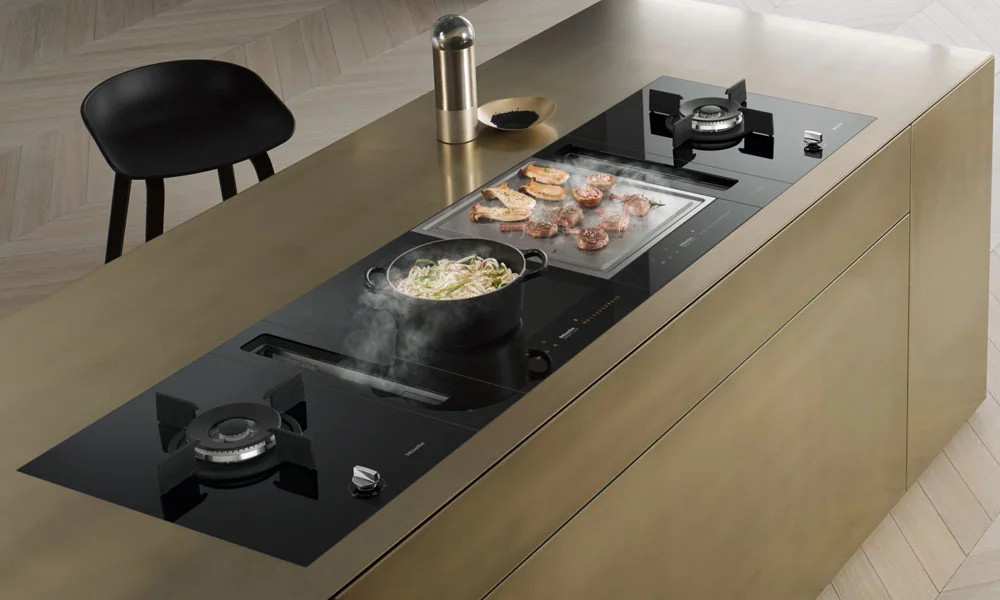
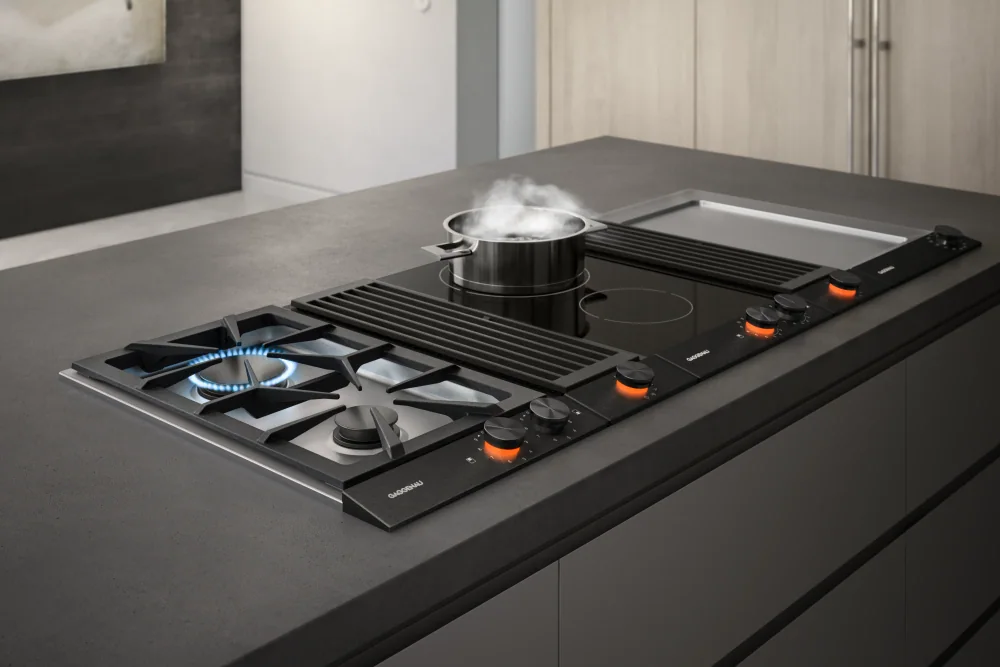
- The lineup supports mixed cooking styles across modules, including induction, gas, wok, and Teppan Yaki style elements.
- Installation is described as flush-fitting and flush-mounted for a clean, integrated finish.
- Module sizing is defined (evidence describes modules about 55 cm wide), which helps planning but also means you need to design around specific cutouts.
- Best suited to remodels and custom counters, not quick swaps.
What the Miele Modular Cooktop Family is
Miele Modular Cooktop Family is a mix-and-match lineup of built-in cooktop modules designed to be combined into a custom cooking surface. Instead of buying one full-width cooktop with a pre-set burner layout, you choose the modules you want and arrange them to fit your kitchen and how you cook.
The evidence points to Miele’s SmartLine style modular approach: flush-fitting, flush-mounted elements with defined module sizing (described as about 55 cm wide). That sizing matters because modular systems are planned like building blocks. You are not just picking features, you are designing a countertop cutout plan.
The appeal is that the family includes different cooking types across modules. You can build a setup that mixes induction and gas, or add specialty modules like a wok element or Teppan Yaki style cooking, depending on what you actually make at home.
Why it stands out
The main reason to buy into this family is layout freedom. A standard cooktop forces you into someone else’s idea of the “right” burner sizes and positions. With Miele’s modular approach, you can prioritize what you use most, whether that is induction zones for fast weeknight cooking, a gas module for open-flame techniques, or a specialty surface for specific dishes.
It also stands out because it is designed to look built-in. Flush-mounted, flush-fitting modules give you a cleaner visual line across the counter. If you are spending money on new counters and cabinetry, that integrated finish is part of what you are paying for.
Finally, the defined module sizing is a practical advantage during planning. Modular systems can go sideways when sizing is vague. Here, the evidence describes SmartLine elements as modules around 55 cm wide, which gives you a real starting point for mapping a layout and coordinating cabinet space below.
What it is like to own
Day to day, ownership is less about learning one cooktop and more about living with the specific modules you chose. If you build a layout with both induction and gas, you will naturally use them differently: induction for quick response and easy wipe-down cooking, gas when you want an open flame. If you add a specialty module like a Teppan Yaki style surface, it becomes a dedicated station for that style of cooking instead of a compromise accessory you drag out occasionally.
The flush-mounted design changes the feel of the kitchen. It reads like part of the countertop, which is exactly what many remodelers want. It can also influence cleanup habits. With modular systems, you are typically wiping down smaller, distinct surfaces rather than one big cooktop, and seams and edges become part of what you pay attention to during planning.
The biggest ownership “workflow” difference is that you are committing to a built-in plan. Once the countertop is cut and the modules are installed, changing the layout later is not like swapping a portable appliance. The payoff is a cooktop area that matches your cooking style instead of fighting it.
What to know before you buy
Start with fit. Modular cooktops live and die by cutout and clearance requirements. A module described as about 55 cm wide is not a promise that it will drop into an existing opening. If you are replacing an older unit, you need to match the actual cutout specs for the exact modules you choose, not just the headline width.
Next, plan your hookups around your fuel choices. Gas cooktops still need electricity for ignition and controls. Electric and induction need the correct voltage and amperage circuit. A modular layout that mixes fuel types can be great, but it also means you need to confirm your kitchen can support what you are designing before you finalize the plan.
Finally, think about ventilation and heat management early, especially if you are including gas. A powerful cooking setup is only enjoyable if your hood or ventilation plan can keep up with the heat, steam, and cooking byproducts your layout will produce.
The specs that matter
You are not stuck with a pre-set burner arrangement. You can build the cooktop around how you cook and the space you have.
You can combine different cooking styles in one run, like induction for everyday speed plus a gas or wok module for open-flame techniques.
This is the integrated countertop look many remodelers want. It also means installation details and cutout precision matter more than with a drop-in unit.
Defined sizing helps you plan a real layout with cabinets and countertop fabricators. It also means you need to design around specific module dimensions, not generic “30-inch cooktop” assumptions.
Great flexibility, but you must confirm your kitchen can support the required gas line and electrical needs for the modules in your plan.
If your layout includes gas, your hood setup becomes part of whether you will enjoy cooking on it day to day.
Who this product fits
You are remodeling and want a cooktop that matches your cooking habits
Instead of accepting a standard burner layout, you can choose the modules you will actually use and build a custom run. The result is a cooktop area that feels planned, not compromised.
You want induction for most meals but still want a real flame sometimes
This family supports mixing induction and gas modules, so you can keep induction as your daily driver and still have a dedicated gas station for the dishes where you prefer flame cooking.
You cook specialty dishes and want a dedicated surface
If you regularly cook in a wok or want Teppan Yaki style cooking, a specialty module gives you a built-in station instead of relying on add-on accessories that never fit quite right.
You are designing a small kitchen and need a smarter layout
A modular system lets you prioritize the functions you need most in the space you have, rather than wasting width on burners or zones you rarely use.
What else to compare
If you like the modular idea but want a different design approach or price tier, these are the most sensible directions to compare.
Miele Modular Cooktop Family FAQ
Is the Miele Modular Cooktop Family a single cooktop or a system?
It is a modular system. You choose individual built-in modules and combine them into a custom layout, rather than buying one fixed cooktop configuration.
Can you mix induction and gas in the Miele Modular Cooktop Family?
Yes, the evidence supports mixed cooking styles across modules, including induction and gas. Your final layout depends on which modules you choose and what your kitchen can support for hookups.
What does flush-mounted installation mean for a modular cooktop?
Flush-mounted modules are designed to sit cleanly in the countertop for an integrated look. Practically, it means cutout and installation details matter, and you should plan the countertop work around the exact modules you are buying.
How do I know if it will fit my countertop cutout?
Do not rely on a headline width alone. Modular cooktops require specific cutouts and clearances, and a “30-inch equivalent” is not universal. Match the cutout requirements for the exact modules in your plan.
What should I plan for ventilation with this modular system?
Ventilation matters for any cooktop, and it becomes more important if your layout includes gas. Make sure your hood or ventilation plan can handle the heat, steam, and cooking byproducts your chosen modules will produce.
Should you buy the Miele Modular Cooktop Family?
Buy the Miele Modular Cooktop Family if you are doing a real kitchen plan and you want the freedom to build your cooktop around how you cook. The ability to combine induction, gas, wok, and Teppan Yaki style modules is the point, and it is what makes this family feel like a custom solution instead of a standard appliance purchase.
Skip it if you want a quick, simple replacement or you are trying to drop a new unit into an existing cutout with minimal countertop work. Modular systems reward careful planning. When you can plan the cutouts, hookups, and ventilation from the start, this Miele family gives you a clean, integrated finish and a layout that makes sense for your kitchen.