
Pickori

Cooktop advice

What sealed burners are and why they matter on gas cooktops

Sealed burners are designed to keep spills out of the burner box, making cleanup easier and reducing mess-related problems over time.

Reading time: 9 minutesBest for: Anyone shopping for a gas cooktop who wants easier cleanup and fewer spill-related headaches.
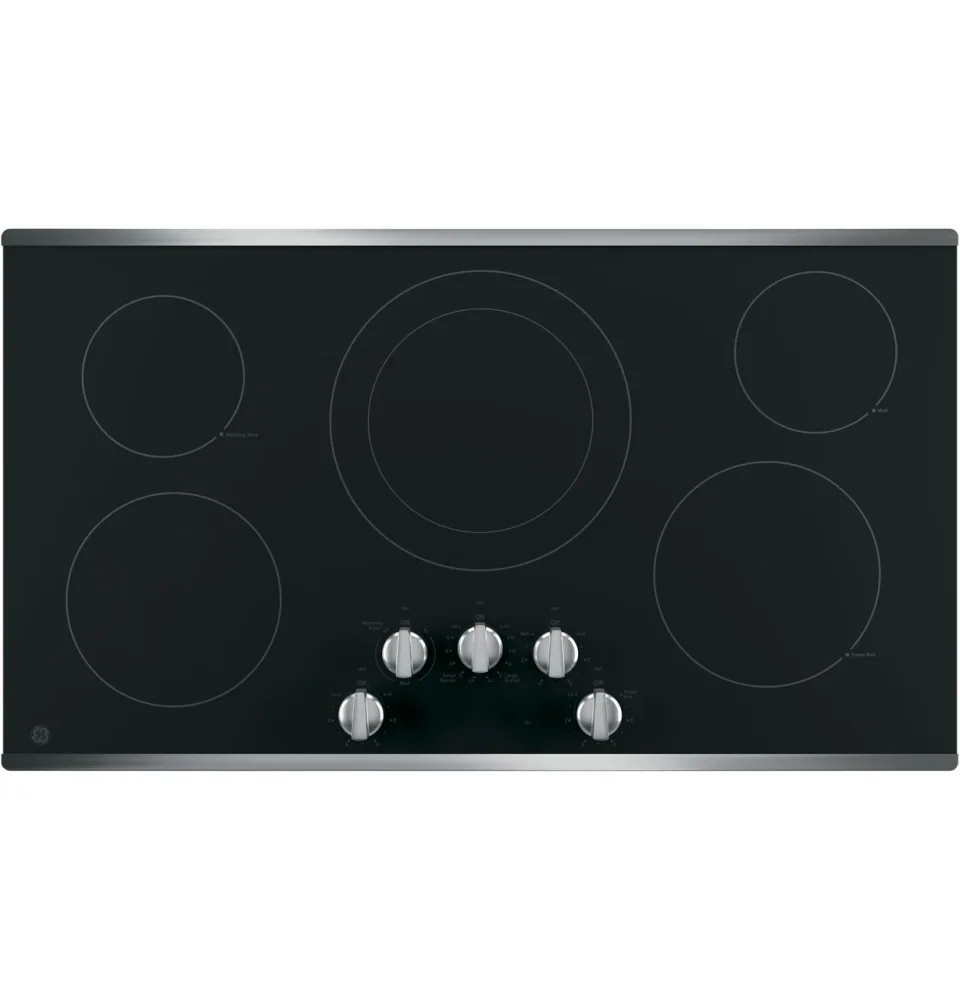
GE JP3036SLSS

Sealed vs open burners: the basic difference

A sealed burner sits on a base that is integrated into the cooktop surface, so liquids are less likely to drip through gaps into the interior. An open burner has more exposed openings around the burner body, which can allow spills to fall below the surface. People sometimes associate open burners with commercial-style looks, but the key ownership difference is where the mess goes. With sealed burners, most spills stay on top, so you can wipe them up like you would on any other cooktop. With open burners, you may need to remove parts and clean inside the burner box more often. That can be manageable if you are diligent, but it is a real time cost. If you cook with sugary sauces, starchy pasta water, or frequent boil-overs, sealed burners usually mean less frustration.

Why sealed burners matter for cleanup and day-to-day maintenance

The practical benefit of sealed burners is containment. When a spill stays on the surface, you can clean it before it hardens. When it drops inside, it can bake onto hidden surfaces, create odors, and make future cleaning harder. Over time, built-up residue can interfere with how parts sit, which can lead to uneven flames or ignition issues that feel like "the cooktop is acting up" when the real cause is grime. Look closely at how the cooktop top is shaped. A surface with gentle contours and fewer seams is easier to wipe. Burner caps should lift off easily and sit back in place without fuss. Grates matter too. Heavy, stable grates feel good in use, but they also need to be easy to remove for cleaning. If you dread taking the cooktop apart, you will clean it less often, and performance can suffer.

Reliability and performance: what sealed burners do and do not change

Sealed burners can reduce spill-related problems, but they do not automatically mean better cooking performance. Output and control still depend on burner design, gas flow, and how well the burner can hold a low flame for simmering. A "power burner" is only useful if it is placed where you can use a large pan without crowding other burners and without pushing heat into the backsplash. Ignition is another ownership point. Most gas cooktops use electric ignition, meaning they need power even though the heat source is gas. Keeping the igniter area clean and dry helps it click and light reliably. If you frequently wipe the cooktop with a very wet cloth or let boil-overs soak the burner area, you can temporarily cause misfires. Sealed designs help, but they do not eliminate the need for basic care.

Buying and care tips: what to check before you commit

When shopping, remove the marketing layer and focus on access. Ask yourself: Can I lift the grates without scraping the surface? Do the burner caps come off and go back on intuitively? Are there deep seams that will trap grease? Also check the control layout. Knobs placed where they catch splatter will need more frequent cleaning, and tightly packed knobs can be annoying when you are cooking with large pans. For maintenance, clean spills soon after the cooktop cools. Lift grates and caps periodically to wipe underneath, even with sealed burners, because grease can still migrate. Avoid harsh abrasives that scratch stainless or wear markings off knobs. If a burner starts lighting unevenly, check that the cap is seated correctly and that ports (the small flame openings) are not clogged. Small habits prevent most "mystery" performance issues.

What this guide helps you understand

Choose a gas cooktop that keeps spills on the surface and is easy to disassemble and reassemble, because that is what makes sealed burners pay off in real life.

Confirm the burner caps and grates lift off easily and the surface has minimal seams where spills can hide.

Technique notes

Even with sealed burners, grease and crumbs collect under grates. A quick under-grate wipe on a routine schedule keeps flames and ignition more consistent.

Safety note: Turn knobs to off and let grates and burner parts cool before cleaning. If you smell gas when the cooktop is off, stop using it and address the issue before cooking again.

More from Cooktops

← Back to Cooktops