
Pickori

Deep Fryer advice

Compact and Large Deep Fryers: What You Give Up With Each

The right deep fryer size depends on whether you value small-batch convenience or easier family-size frying.

Reading time: 9 minutesBest for: Households deciding between a space-saving fryer and a larger family-size countertop model
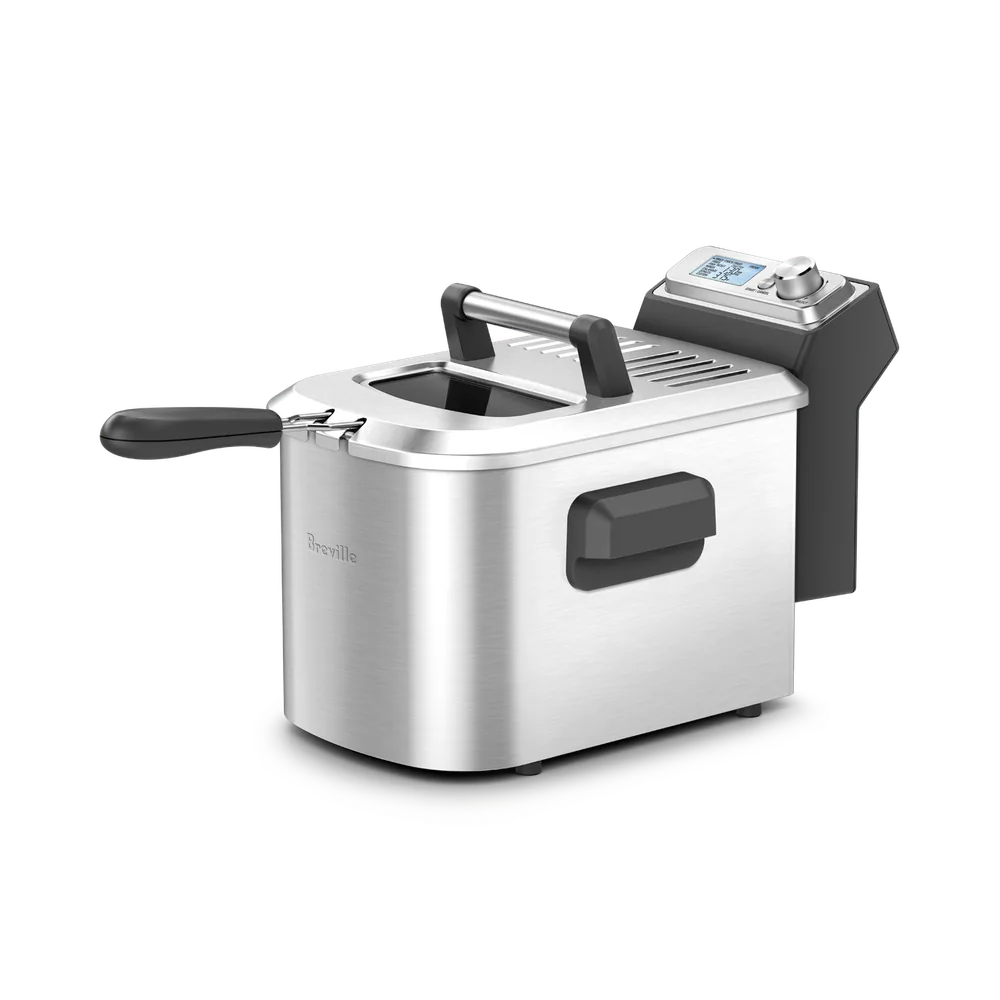
Breville BDF500XL Smart Fryer

Start with the batch you actually cook

Basket capacity is often presented as a food weight, but it should not be treated as a fill line. Food needs room for hot oil to circulate around it. When fries, wings, or breaded snacks are packed tightly together, they cool the oil, trap steam, and cook unevenly. The result can be soft surfaces, greasy coatings, and batches that need longer cooking than expected. A compact fryer works well when you are comfortable cooking in smaller rounds. It can handle a serving of fries, a few snacks, or a modest portion of wings without much waste oil. A larger fryer is more practical when you regularly cook side dishes and main dishes for several people. Choose based on the amount you want to cook per batch, not the maximum amount you can physically force into the basket.

More oil helps stability but increases ownership work

A larger fryer holds more oil, and that extra volume can help the cooking temperature stay steadier when food is added. The oil has more stored heat, so a reasonable batch causes a smaller temperature drop than it would in a very small reservoir. This can be useful for frozen foods and larger portions, especially when you want several servings to finish at roughly the same time. The cost is not limited to the initial fill. More oil takes longer to heat and longer to cool after cooking. It also means more oil to filter if you plan to reuse it, more container space for storage, and more material to handle when the oil is spent. If you fry only occasionally, a smaller oil reservoir may be easier to live with even if it requires an extra batch or two.

Counter space and storage affect how often you use it

Measure the intended location before buying. A fryer needs a stable, heat-safe counter area with open space around it for heat and steam. Account for the lid, basket handle, power cord, and the room needed to lift food out without bumping cabinets or nearby appliances. A larger fryer may fit on the counter but still feel awkward if there is no clear place to set the basket or manage a lid. Storage matters just as much for occasional users. A compact fryer is easier to move into a cabinet, but check its full height and handle shape rather than judging from a product photo. A large fryer may earn its space if it is used often, yet it can become a neglected appliance if moving it, cleaning it, and storing its oil feels like a project. Pick a size your kitchen can support after dinner, not only during cooking.

Cleanup grows with size and fryer design

Every fryer leaves behind crumbs, oil residue, and splatter around the lid, basket, and reservoir. Larger fryers generally create a bigger cleanup task because there is more oil and a larger cooking area. Removable baskets, lids, and oil containers can make washing easier, but they do not eliminate the need to wipe the exterior and deal with used oil carefully. Look at how the fryer drains before deciding that a larger capacity is convenient. A drain valve, removable oil tank, or built-in filtration system can reduce the awkwardness of pouring cooled oil by hand. These features also add parts that need cleaning and storage space. If you choose a compact fryer without a drain system, make sure you have a stable way to transfer fully cooled oil into a container without spills.

What this guide helps you understand

Choose compact for manageable small batches and simpler oil handling, or choose large when your usual meal needs more basket space and steadier batch temperatures.

Measure the counter and storage location, then decide how many servings you need to fry at one time without filling the basket tightly.

Technique notes

Plan for cooled oil before the first use. A larger fryer can require several quarts of oil to be stored, filtered, or discarded.

Safety note: Never move, drain, or store a fryer until the oil has cooled fully according to the manufacturer's instructions.

More from Deep Fryers

← Back to Deep Fryers