
Pickori

Cooking Guide

How to Make Crisp French Fries in a Deep Fryer

Crisp deep-fryer fries depend on dry, evenly cut potatoes, small batches, and a two-stage cook that builds a fluffy center before browning the outside.

Reading time: 8 minutesBest for: Home cooks making fresh-cut French fries in a countertop deep fryer
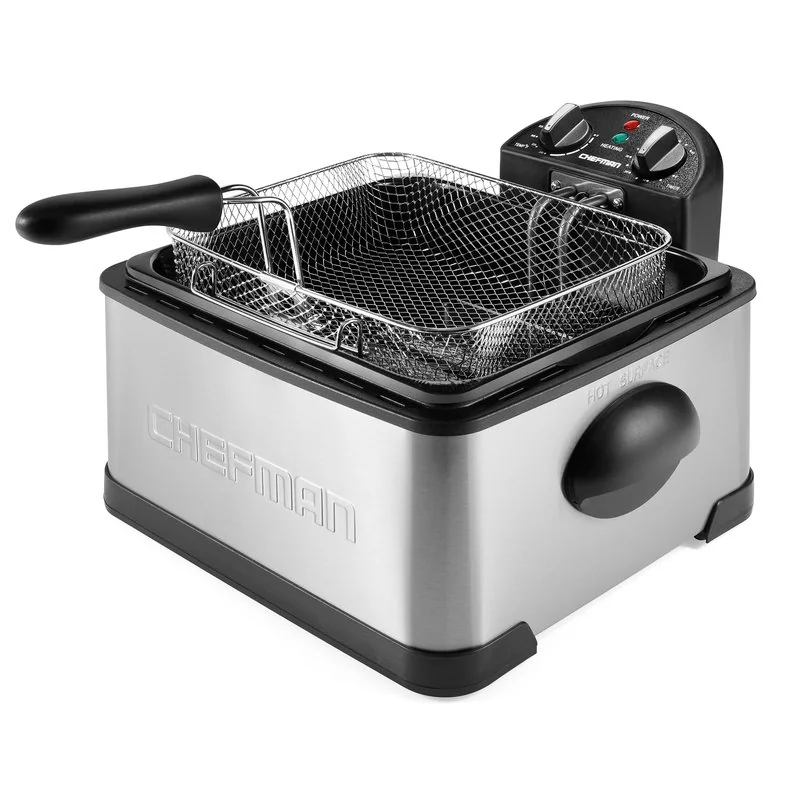
Chefman 4.5-Liter Deep Fryer

Choose and cut potatoes evenly

Choose firm potatoes without soft spots, green areas, or heavy sprouting. Potatoes with a higher starch content generally make a fluffier interior and a crisper exterior, while waxier potatoes tend to stay denser. Peel them if you prefer a classic fry, or scrub them well and leave the skin on for a more rustic result. Either approach works when the potatoes are clean and cut consistently. Cut every fry to roughly the same thickness. Thin shoestring-style fries cook quickly and need close attention, while thicker steak fries need more time in the first fry. For standard fries, aim for sticks that are similar in width from one end to the other. A mix of tiny pieces and thick pieces forces you to choose between burning the small ones or undercooking the large ones.

Rinse and dry potatoes thoroughly

After cutting, rinse the potatoes in cold water until the water is less cloudy. Rinsing removes loose surface starch, which can make fries stick together and darken unevenly. If you have time, soak the cut potatoes in cold water for a short period, then rinse again. This step is especially helpful when the potatoes feel very starchy after cutting. Drying matters just as much as rinsing. Drain the potatoes, spread them on clean towels, and blot them thoroughly before they go near hot oil. Water turns to steam immediately in a fryer, causing splatter and potentially making the oil foam. Dry potatoes also fry more efficiently because the oil can begin cooking the surface instead of spending energy evaporating moisture.

Use a two-stage frying method

Heat the oil to a moderate setting for the first fry, following your fryer instructions and the potato thickness you chose. Lower a small batch into the basket slowly. Cook until the fries are tender and lightly colored, not deeply browned. The first fry cooks the potato interior and forms a dry outer layer that will crisp well later. Lift the basket and let the fries drain. Rest them while the oil returns to the higher temperature used for the second fry. Then fry the same batch again until golden and crisp. Do not rush the recovery period by adding more potatoes while the oil is still cool. Cold food lowers oil temperature, and a crowded basket can turn a properly planned two-stage method into a greasy one.

Drain, season, and hold fries without steaming them

When the fries are browned, lift the basket and let excess oil drip back into the fryer for a few seconds. Transfer them to a wire rack set over a sheet pan, or use a paper towel-lined tray for a short hold. A rack is better for larger batches because air can circulate underneath instead of trapping steam against the bottom fries. Season fries immediately while their surface still has a light coating of oil. Fine salt adheres best at this point, and other dry seasonings can be added with it. Avoid covering finished fries or piling them in a deep bowl, since trapped steam softens the crust. If you need to hold several batches, keep them in a single layer in a warm oven only briefly, then serve them promptly.

What this guide helps you understand

For crisp fries, control moisture and batch size first. Dry, evenly cut potatoes fried in two smaller stages will usually produce better texture than a full basket cooked once at high heat.

Use potatoes cut to a consistent thickness.
Dry cut potatoes completely before frying.
Leave enough room in the basket for oil to circulate.
Let the oil recover to its set temperature between batches.

Technique notes

A wire rack keeps finished fries crisper than a covered bowl or deep serving dish.
Frozen fries are already prepared for frying, but excess ice or loose frost should still be removed before loading the basket.

Safety note: Keep water away from hot oil, lower the basket slowly, and never fill the fryer basket beyond the level recommended by its manufacturer.

More deep fryers help

← Back to Deep Fryers