
Pickori

Deep Fryer advice

Why Oil Temperature Recovery Matters in a Deep Fryer

Oil temperature recovery determines how quickly a fryer returns to its set heat after food is added, which directly affects browning, crispness, and batch timing.

Reading time: 9 minutesBest for: Home cooks who want crisper fried food and more predictable timing from a countertop deep fryer
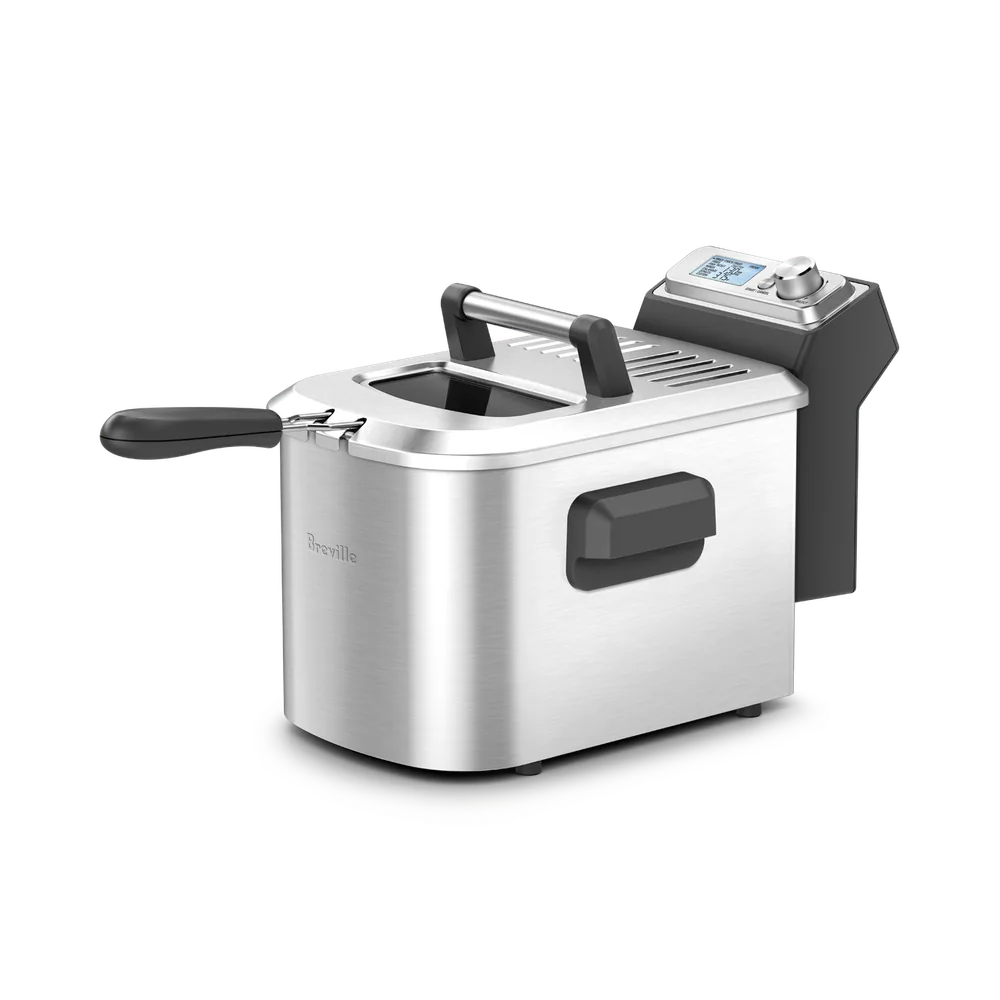
Breville BDF500XL Smart Fryer

What Happens When Food Hits the Oil

Hot oil cooks the food surface quickly. Water in the food turns to steam, and that steam pushes outward through the coating or outer layer. As moisture leaves, the surface can brown and become crisp. When the oil temperature falls too far, moisture leaves more slowly. The food spends longer in the oil before its exterior can set and brown properly.

The temperature drop is normal, not a sign that the fryer has failed. The problem begins when the batch is too large for the amount of hot oil and heating power available. Cold food absorbs heat faster than the fryer can replace it. The result can be a long stretch at a lower temperature, followed by food that is blond, limp, or oily. A smaller batch gives the fryer a manageable heat load.

Recovery Affects Crispness and Browning

Crispness depends on surface moisture leaving efficiently. When oil stays sufficiently hot, the outer layer dries and browns while the interior continues cooking. If the oil remains too cool, breading and potato surfaces can absorb more oil before they become crisp. This is why an overloaded basket can produce food that feels heavy or greasy even when the cooking time seems long enough.

Browning also becomes less predictable during a slow recovery. One batch may cook well because the oil started fully heated, while the next batch may be pale because it went in before the fryer recovered. Do not judge doneness by color alone, especially with chicken or other foods that must cook through. Use appropriate cooking methods and follow the food's preparation directions, while treating color and texture as signs of oil performance.

Batch Size Is the Main Control You Have

Wattage describes how much electrical power a fryer can draw, and it can contribute to heating and recovery. It is not a complete performance score. Oil volume, basket shape, heating element placement, thermostat behavior, and the temperature of the food all affect what happens after loading. A high-wattage fryer can still struggle if a basket is packed with cold, wet food.

The most reliable way to protect recovery is to reduce the amount of food per batch. Spread pieces loosely rather than compressing them into a mound. Shake away loose ice from frozen foods and pat foods dry when appropriate before frying. Let the oil return near the selected temperature between batches. This may add a few minutes, but it often shortens the total time needed to re-fry undercooked or soft food.

Use the Fryer Display as a Guide, Not a Shortcut

A temperature display or indicator light tells you what the fryer believes the oil is doing, but it does not make every batch identical. The reading may recover before the oil has fully stabilized throughout the reservoir, particularly after a large load. Give the fryer a little time after the indicator signals readiness when you have just finished a demanding batch. This is especially useful before adding another basket of frozen food.

Build your meal timing around batches instead of trying to cook everything at once. Fry foods with similar temperature needs together, and keep finished food in a warm place only briefly so steam does not soften the crust. If fries are soft, reduce the next batch size before raising the temperature. If breading darkens too quickly, check that the oil is not set too high and that crumbs are not burning in the reservoir.

What this guide helps you understand

For better fried food, protect oil temperature by loading smaller batches and allowing the fryer to recover before the next round.

Plan portions in loose batches, and wait for the oil to return near the selected temperature after cold or frozen food is added.

Technique notes

Fast empty-fryer warm-up is less important than steady recovery after the food you actually cook goes into the oil.

Safety note: Dry food thoroughly and remove excess ice before frying to reduce splattering and the risk of oil overflow.

More from Deep Fryers

← Back to Deep Fryers