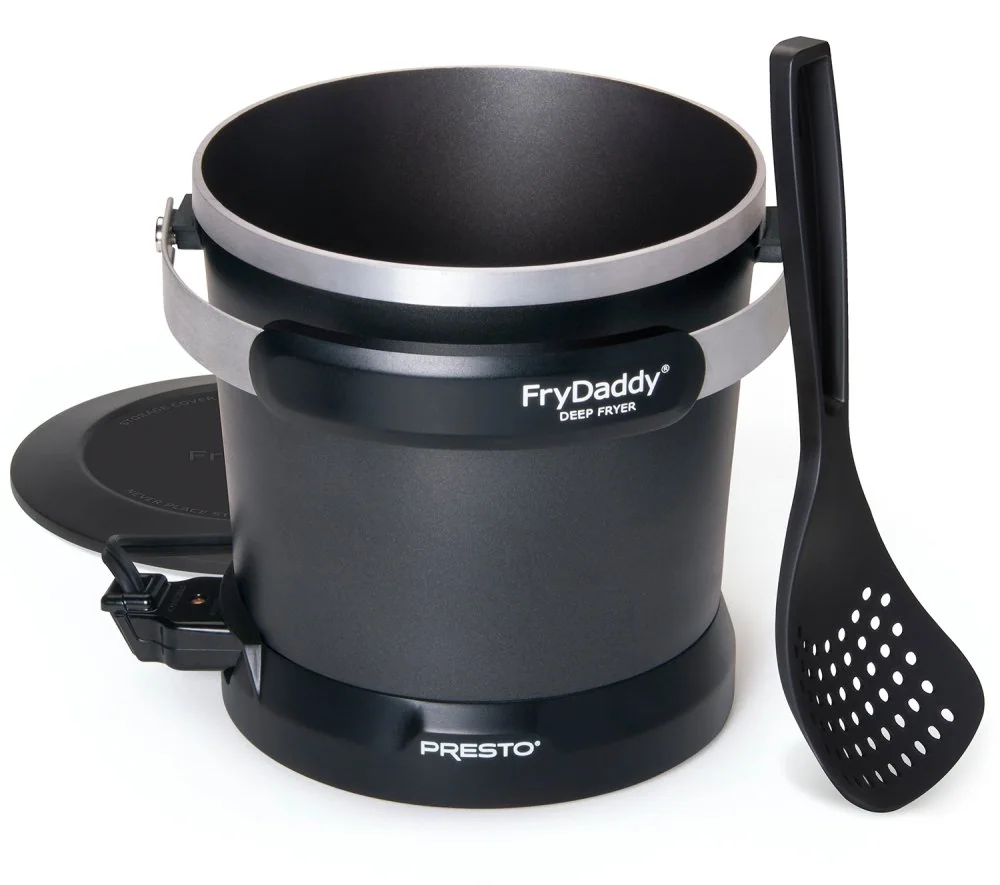
A built-in filtration system typically drains cooled oil from the cooking reservoir, passes it through a screen or filter, and collects it in a separate container. Its main benefit is controlled oil handling. Instead of lifting a heavy reservoir and aiming oil through a funnel, you use the fryer's drain path. This is particularly helpful when a fryer holds enough oil that manual pouring feels unstable or likely to make a mess.
Filtering removes loose breading, fry fragments, and other particles that can scorch during the next use. Cleaner oil can be easier to reuse, provided it still looks and smells suitable for cooking. Filtration does not restore oil that has become very dark, thick, foamy, smoky, or strongly odorous. It also cannot fully remove flavors from foods such as fish or heavily seasoned breading. Think of it as crumb management and easier transfer, not oil renewal.
Match Filtration to How Often You Fry
Filtration earns its space most readily when you fry regularly and reuse oil for similar foods. For example, someone making fries, wings, or breaded snacks every week may appreciate being able to drain and store oil without setting up a strainer, funnel, and several containers each time. The easier the process is, the more likely crumbs will be removed promptly instead of being left in the fryer until the next meal.
For occasional frying, the extra parts may create more work than they save. A filtration fryer needs room for its oil container, filter components, and drain mechanism, and those parts must be cleaned after use. If your fryer spends most of the year in a cabinet, a smaller unit with a removable reservoir may be the more practical choice. Do not buy filtration solely because you expect it to make oil last indefinitely.
Measure Storage Space Before Choosing a System
A filtration fryer is often larger than a basic fryer because it needs space for a drain route and oil storage container. Measure the counter area, cabinet shelf, and vertical clearance where the fryer will live. Also consider where you will place the oil container during draining and where it will sit between uses. A system that fits only when assembled on the counter can become inconvenient if your kitchen needs that space for daily cooking.
Storage affects cleanliness as well as convenience. Used oil should be kept in a sealed container after it has cooled, away from heat and places where it can be knocked over. If the fryer stores oil internally, confirm whether the design is intended for that purpose and whether the unit can be moved safely with oil inside. A separate container may be easier to refrigerate or keep in a protected cabinet, but it adds one more item to label and manage.
Expect Maintenance Beyond the Filter
Filters need attention. Some systems use reusable screens, while others use replaceable filter material. A screen catches larger crumbs but may not capture fine sediment as effectively as a finer filter. Whatever the design, a clogged or greasy filter can slow draining and leave residue behind. Check how the filter is accessed, whether replacement parts are readily available, and whether the storage container has corners that are easy to wash.
The drain valve, tubing or channel, and oil container can collect old oil residue. If these parts are ignored, stale odors and sticky buildup can transfer back into fresh oil. After draining, wipe the outlet area and clean the filter components according to the fryer instructions. Keep in mind that filtration does not replace cleaning the basket, reservoir, lid, and exterior. It simply makes one major cleanup task less awkward.
What this guide helps you understand
Buy built-in filtration when frequent frying and repeated oil reuse make safe, low-mess draining more valuable than a smaller fryer footprint.
Measure the fryer's storage location and confirm where the filtered oil container, filter parts, and cooled oil will be kept.
Technique notes
Use separate oil or replace it when cooking strongly flavored foods if you do not want those flavors carrying into later batches.
Safety note: Run a filtration or drain system only after the oil has cooled fully, and keep the collection container stable beneath the outlet.