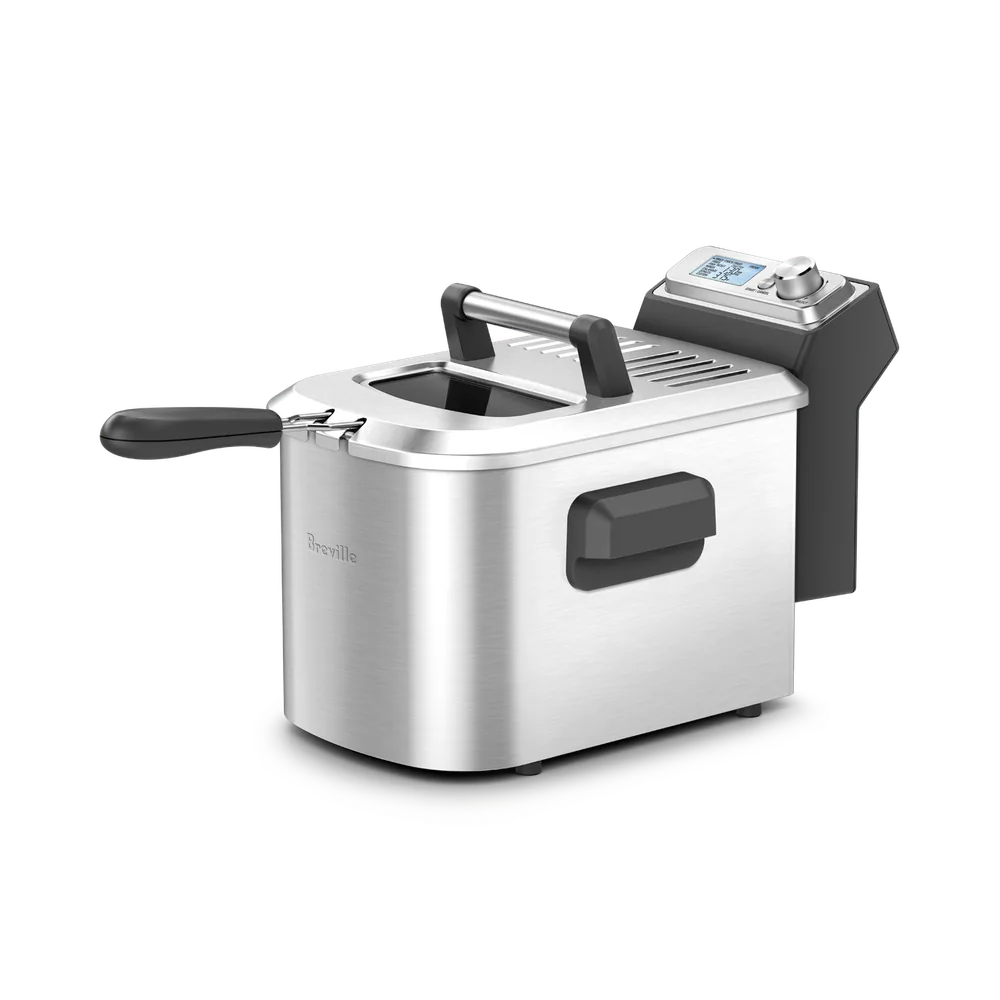
The best batch size is determined by oil temperature recovery and food spacing, not by how much can physically fit in the basket.
Reading time: 8 minutesBest for: Shoppers choosing a fryer size and cooks planning better batches
Why a full basket can cook poorly
Deep frying depends on hot oil circulating around each piece of food. A packed basket blocks that circulation and introduces a large amount of cold food at once. The thermostat may call for more heat, but the fryer cannot restore temperature instantly. The result is often uneven browning, a soggy crust, and food that feels greasy because it spent too long in cooler oil.
Leave visible space between pieces whenever possible, and avoid filling the basket to its rim. A smaller batch that cooks evenly is usually faster overall than one overloaded batch followed by disappointing results. Watch the oil after loading. A brief temperature drop is normal, but a fryer that struggles to recover is telling you that the batch is too large for its oil volume and heating system.
Plan portions by food type
Thin, loose foods such as fries, onion rings, and small frozen snacks need a shallow, loose layer in the basket. They need room for oil to reach all sides, and they can clump if crowded. Shake the basket gently during cooking when the appliance instructions permit it, especially for fries, so pieces separate and brown more evenly.
Larger foods require even more restraint. Wings, chicken pieces, fish fillets, and battered items should not overlap heavily because contact points stay pale and breading can tear when pieces are separated. Food capacity listed in pounds can be misleading because a pound of compact fries occupies far less space than a pound of bulky wings. Plan by basket coverage and spacing, not weight alone.
Batch cooking for fries and wings
For fries, cook several smaller batches instead of one deep pile. Let the oil return to the selected temperature between batches, then keep finished fries warm on a wire rack set over a sheet pan if needed. A rack is better than stacking fries in a bowl, where trapped steam softens the crust. Season fries soon after draining, while their surface still has enough oil for seasoning to cling.
For wings, load only enough pieces to form a loose layer. After each batch, let the oil recover before adding more. If you are making a large amount, organize the work before heating the fryer: prepare a draining rack, a tray for cooked food, and a place for the next batch. This reduces the temptation to overload the basket just to finish sooner.
When a larger fryer actually helps
A larger fryer helps when you regularly cook enough food that several small batches become inconvenient. More oil usually changes temperature less when food is added, and a wider basket can hold food in a less crowded layer. This is useful for family portions, frequent entertaining, or cooking two foods with different flavors in separate wells or baskets.
A larger fryer also brings more responsibility. It needs more counter or storage space, more oil to fill, and a realistic plan for filtering, storing, and discarding that oil. Do not choose a larger model only because its basket has a high capacity claim. Choose it when your normal batch size needs more surface area and oil volume, and when you are prepared for the added cleanup.
What this guide helps you understand
Buy and load a fryer for the batch size it can cook without crowding. Space around the food and a quick return to frying temperature matter more than the maximum amount that fits in the basket.
Compare basket width and oil capacity, not just the advertised food weight.
Plan to cook in batches when food would overlap or form a deep pile in the basket.
Technique notes
A larger oil reservoir can improve temperature stability, but it also increases oil cost, warm-up time, and cleanup.
Safety note: Do not overfill the basket or oil reservoir. Food displaces oil and can cause dangerous overflow.