
Pickori

Troubleshooting

Why Deep-Fried Food Turns Out Greasy, Pale, or Uneven

Most deep-frying problems come from oil that is too cool, too hot, overloaded, contaminated with moisture, or no longer in good condition.

Reading time: 8 minutesBest for: Deep-fryer owners trying to improve texture, color, and consistency
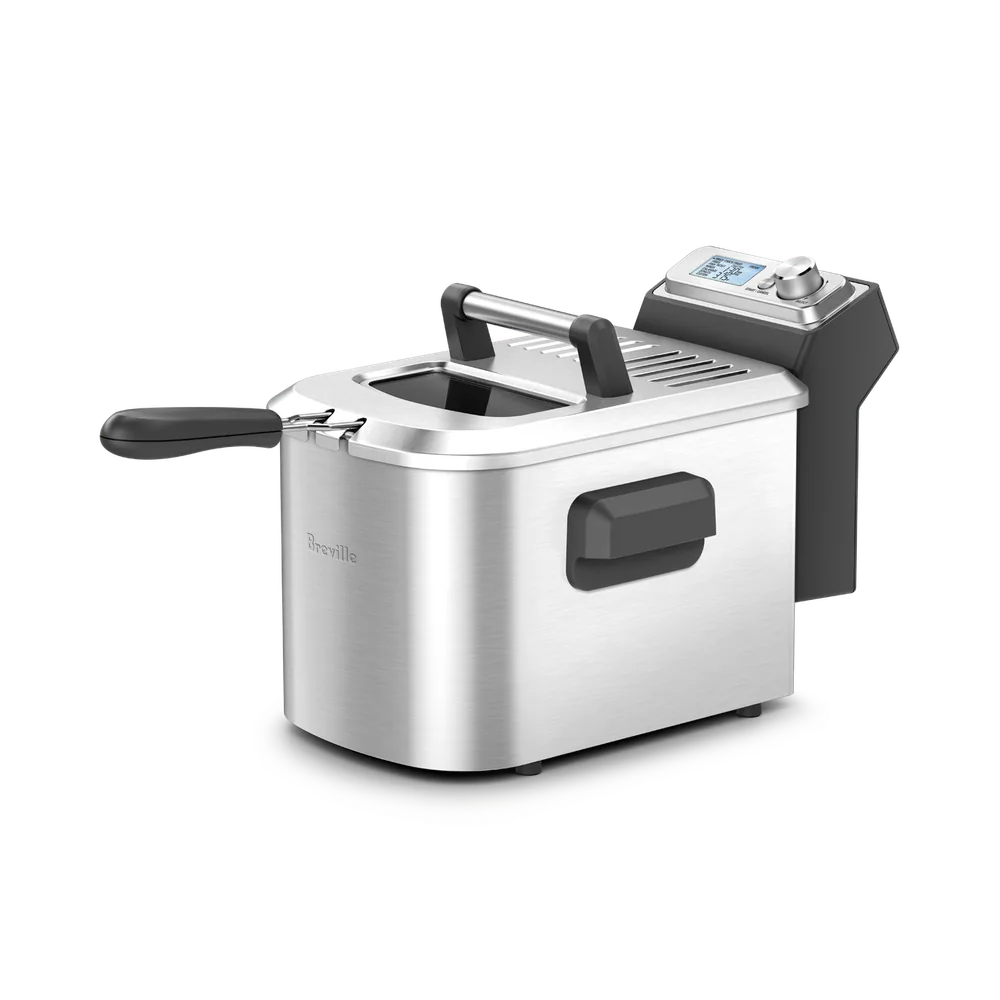
Breville BDF500XL Smart Fryer

Greasy food and low oil temperature

Greasy food usually means the oil was too cool for too long. Instead of quickly setting the outer crust, cool oil lets moisture leave slowly while the food absorbs more oil. This often happens when food goes in straight from the refrigerator, when frozen food carries excess ice, or when a large batch overwhelms a small fryer's heating and recovery ability. Preheat fully, dry food thoroughly, and reduce the amount loaded at one time. Let the oil return to the selected temperature before starting the next batch. Do not assume the basket's stated food capacity is the best working batch size. A smaller load may take an extra round of frying, but it gives the oil more room to circulate and makes crisp results much more likely.

Pale food and overloaded baskets

Pale food can be undercooked, but it can also be cooked through without enough browning because the oil temperature fell after loading. An overloaded basket creates this problem by adding too much cold food at once. Pieces also crowd together, which traps steam and prevents all sides from meeting hot oil evenly. Use the basket as a holder, not a container to fill to the rim. Leave visible space between pieces whenever possible, especially with breaded foods, wings, and fresh-cut potatoes. If the first batch comes out pale, wait for the oil to recover before frying again rather than extending the cook time immediately. Extra time in cool oil often makes food oilier without producing the color you want.

Dark food and overheated or old oil

Food that darkens too quickly points to oil that is too hot, a coating with sugars that brown rapidly, or oil filled with old crumbs. Burned flour, breading, and seasoning particles continue cooking in the oil and can cling to fresh food. Reused oil also gradually changes with heat, moisture, and food residue, making it more likely to smoke, foam, smell unpleasant, or produce harsh flavors. Check that the temperature setting suits the food, then avoid adding sugary sauces or heavily sweetened seasonings before frying. Skim loose debris between batches only after the oil has settled and when it can be done safely. Once the oil is completely cool, strain out particles before storage. Replace oil that is very dark, unusually thick, persistently foamy, smoky at normal frying settings, or unpleasant-smelling.

Uneven cooking from inconsistent piece size

Uneven cooking often begins before the fryer is turned on. Pieces that differ greatly in thickness need different cooking times. A thin potato strip can burn while a thick one remains firm, and a small wing section can brown before a larger piece near the bone is done. Mixed sizes also make it difficult to judge a whole batch by color alone. Cut vegetables and potatoes to a consistent thickness, and sort chicken or other proteins into similar-size groups when practical. Load pieces in a single loose layer rather than compressing them into the basket. For foods with a thick center, check a representative large piece before serving. If the outside is browning faster than the center cooks, lower the frying temperature slightly and use smaller batches.

What this guide helps you understand

When fried food looks wrong, begin with the oil temperature and batch size. Dry food, smaller loads, clean oil, and similarly sized pieces give the fryer the conditions it needs to cook evenly.

Preheat oil fully before the first batch.
Remove excess water, ice, and loose breading before frying.
Avoid filling the basket to its rim.
Cool and strain reusable oil before storing it.

Technique notes

A fryer can recover well between small batches yet struggle with one large batch, even at the same temperature setting.
Color is only one sign of doneness. Thick foods, especially poultry, need an internal temperature check.

Safety note: Do not add water to hot oil or move a fryer while the oil is hot. Let oil cool completely before straining, storing, or disposal.

More deep fryers help

← Back to Deep Fryers