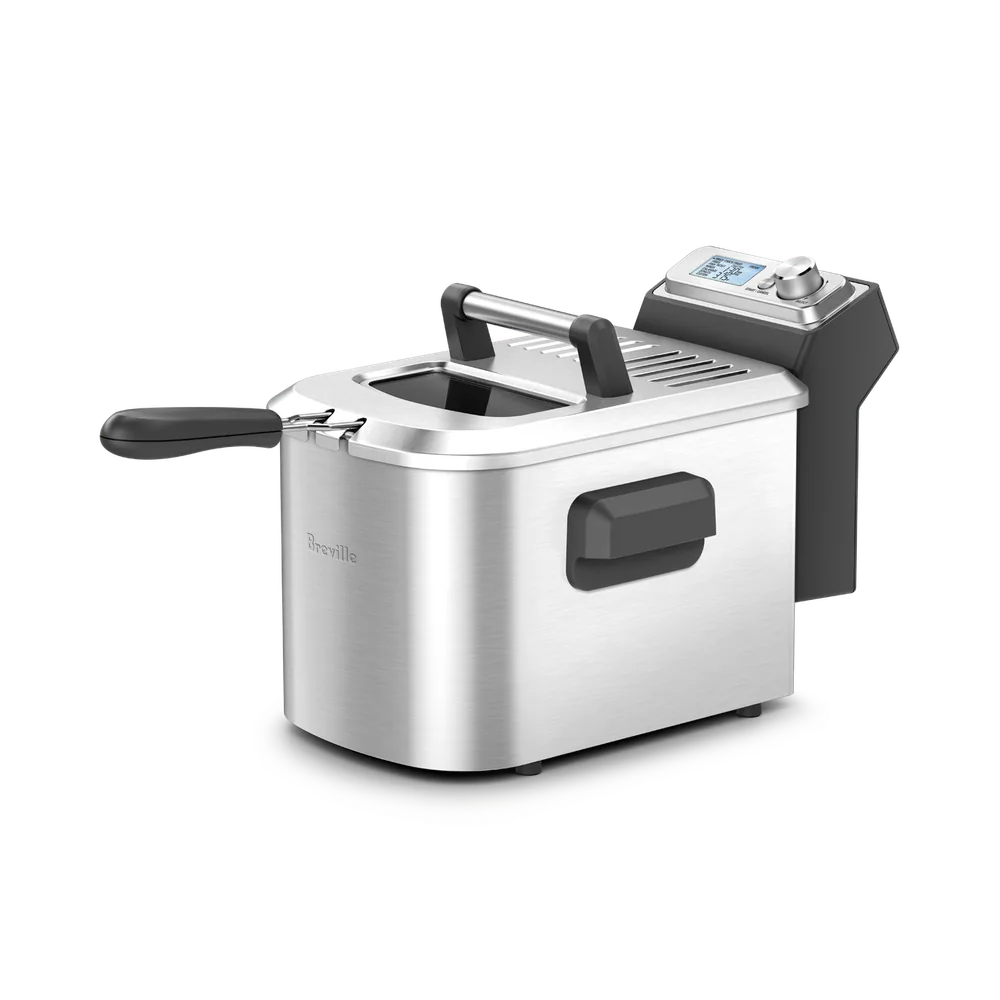
Deep fryer cleanup includes more than washing a basket, because used oil, crumbs, grease film, and storage all need regular attention.
Reading time: 8 minutesBest for: Home cooks deciding whether deep fryer cleanup fits their routine
The cleanup tasks after every batch
After cooking, let the fryer cool completely before handling the oil or removable parts. Remove the basket and shake off loose crumbs once it is cool enough to handle. Wipe grease from the exterior, lid, handles, and counter around the appliance. This small step matters because grease left on the housing attracts dust and becomes harder to remove after it sits for days.
The larger task is deciding what happens to the oil. If you plan to reuse it, strain out food particles and store it in a sealed container or use the fryer's intended storage system. If it is spent, transfer it to a sealable container for disposal. Do not leave the fryer full of old oil simply because cleanup feels inconvenient. That is how odors, residue, and forgotten oil build up.
What changes when you fry breaded foods
Breaded and battered foods shed flour, crumbs, and small pieces of coating into the oil. Those particles brown faster than the food itself, then settle in the reservoir or cling to the heating area. If they remain there, they can burn during the next session, darken the oil, and leave a bitter flavor on otherwise fresh food. Filtering becomes more important after these foods than after a simple batch of fries.
Expect more grease on the lid and nearby counter when frying foods with wet batter, loose breading, or high moisture. Let the fryer cool, then clean splatter before it hardens. Avoid using abrasive tools on nonstick surfaces or around delicate heating components. A soft cloth, warm soapy water for approved removable parts, and a grease-cutting cleaner for the exterior usually make routine cleanup more manageable.
Oil filtration versus oil disposal
Filtration means removing crumbs and sediment from cooled oil so it can be used again. It extends the useful life of oil when the oil still smells fresh and looks reasonably clear. A built-in filtration system can make this less messy by draining oil into a storage container, but it still requires cleaning filters, handling the container, and checking the oil before the next use.
Disposal is necessary when oil becomes very dark, foamy, thick, smoky at normal frying temperatures, or unpleasant-smelling. Filtering cannot fix degraded oil. Plan for a container with a secure lid before you begin frying, especially with larger fryers that hold several quarts of oil. Never send used oil down a drain. Once it cools, seal it for appropriate disposal and clean the empty reservoir before fresh oil goes in.
Features that make ownership easier
Removable baskets, lids, oil containers, and dishwasher-safe parts can reduce the amount of hand washing, but read the care instructions for each piece. The heating assembly and electrical base generally should not be immersed. A drain spout or removable reservoir can make oil transfer more controlled than lifting a full fryer, which is especially helpful when the appliance holds a larger volume of oil.
Look beyond an easy-clean label. A fryer is easier to live with when its basket is comfortable to handle, its lid does not trap inaccessible grease, and its oil reservoir can be reached without awkward scraping. Storage also matters. If the appliance is too large to clean and put away comfortably, it may sit with old oil inside longer than it should.
What this guide helps you understand
Deep fryer cleanup is manageable when oil handling is planned before cooking. Cool the appliance, remove crumbs, decide whether the oil is still usable, and clean grease before it becomes a sticky layer.
Have a sealable container ready for cooled used oil before frying, whether you plan to store it or discard it.
Technique notes
Fry similar foods in the same oil when possible. Strongly flavored foods can leave odors and flavors that carry into later batches.
Safety note: Wait until the fryer and oil are fully cool before draining, filtering, washing parts, or wiping up spills.