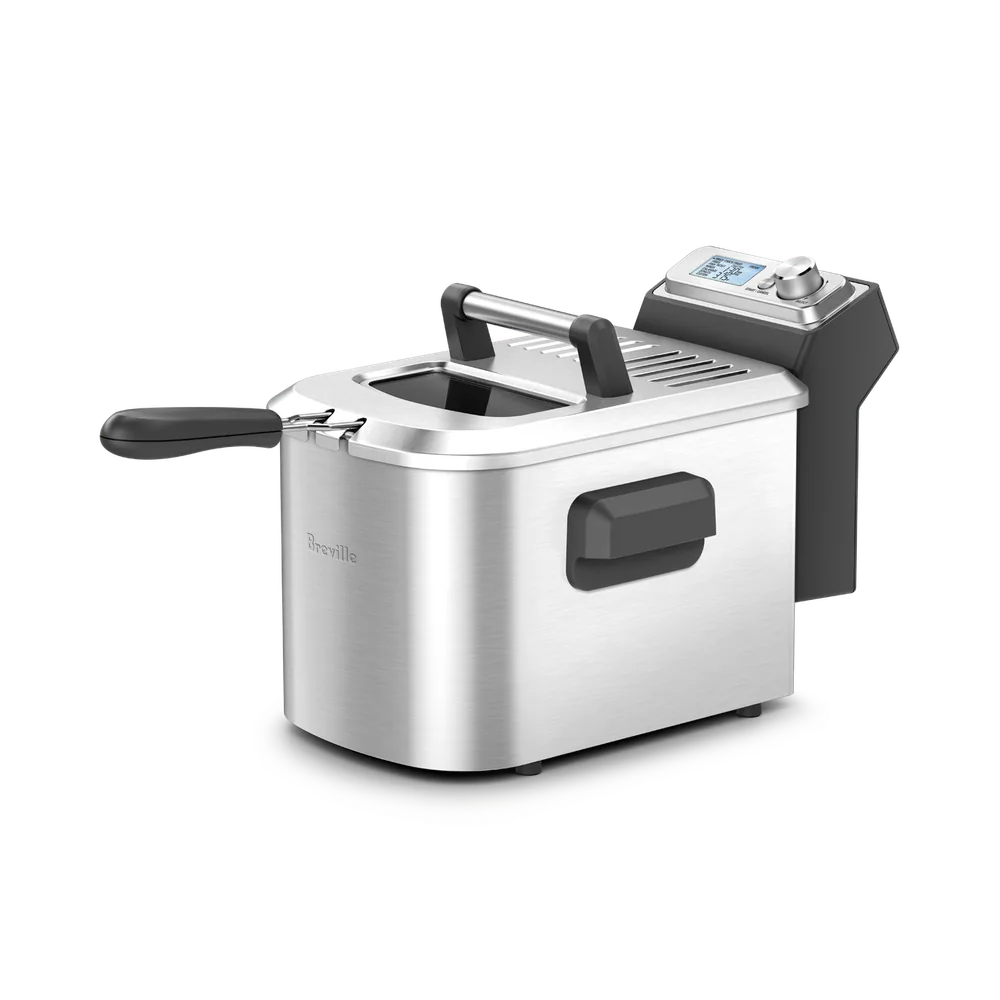
Frequent frying makes oil handling, cleanup, storage, and durable removable parts more important than maximum basket size alone.
Reading time: 9 minutesBest for: Households that plan to fry snacks, sides, or meals regularly
Oil Care Becomes Part of Every Frying Session
Cooking oil does not need to be discarded after every batch, but it needs attention after every use. Crumbs, loose breading, and small food particles continue to darken and degrade oil when left behind. Once the fryer has cooled fully, strain the oil through the method specified for the appliance, then store it in a clean, sealed container if you plan to reuse it. Keeping different oils or strongly flavored foods separate helps prevent one meal from affecting the next.
Watch the oil itself rather than relying only on how many times it has been used. Oil that becomes unusually dark, thick, foamy, smoky at normal frying temperatures, or sharply unpleasant in smell should be replaced. Frying heavily breaded foods, fish, or foods that shed many crumbs shortens oil life because more debris enters the reservoir. Starting with dry food and shaking off loose coating helps keep the oil cleaner and reduces splatter.
Cleaning Needs a Routine, Not a Last-Minute Scrub
A frequent-use fryer benefits from small cleanup steps after each session. When the appliance is cool and the oil has been handled, remove crumbs from the basket, lid, and reservoir according to the manufacturer's instructions. Wipe exterior grease before it hardens, especially around controls, handles, seams, and the area beneath the fryer. Built-up grease can hold odors, make surfaces slippery, and turn a quick wipe into a difficult cleaning job later.
Removable parts matter more when they are washed repeatedly. A basket that lifts out easily, a lid with accessible vents, and a reservoir that can be emptied without drips reduce the work substantially. Dishwasher-safe parts can help, but they do not eliminate hand cleaning of the fryer body, heating area, and oil-contact surfaces. Before buying, consider whether you can comfortably carry, wash, dry, and reassemble the parts after a normal weeknight meal.
Plan for Storage, Odor, and Counter Space
A deep fryer needs more than a spot on the counter. It also needs clear space around it while operating so heat and steam can escape, plus a safe place for the appliance to cool. If it will be stored in a cabinet, account for its full footprint, including handles, lid shape, cord storage, and the room needed to lift it out without tipping. Larger fryers may be easier to cook with but can be inconvenient if they must be moved after every use.
Odor is usually tied to oil condition, food residue, and lingering grease rather than the fryer alone. Filtering oil, cleaning the lid and vents, and wiping nearby surfaces promptly can limit the smell that remains after cooking. A lid may reduce splatter when used as directed, but it does not make active frying odor-free or unattended. Avoid storing a fryer with old oil or food debris inside, since both can leave a stale smell and make the next cleanup harder.
Frequent Use Reveals Which Features Actually Help
For regular frying, a clear temperature control and good heat recovery are more useful than an oversized food-capacity claim. Heat recovery is the fryer's ability to return oil to the selected temperature after cold food is added. Faster recovery helps later batches brown more evenly, but it cannot overcome an overloaded basket. Choose a basket size that encourages moderate batches, especially for frozen fries, wings, and breaded foods that can lower oil temperature quickly.
Oil-draining and filtration features can be especially helpful when frying is a routine, provided you have room for them and will use them consistently. Look closely at how the system drains, where the cooled oil is stored, and which pieces must be cleaned afterward. Also inspect the practical wear points: basket handles, lid hinges, control knobs, drain valves, and removable reservoir supports. These parts are handled often, exposed to grease, and more likely to affect daily convenience than decorative finishes or broad capacity claims.
What this guide helps you understand
Choose a frequently used deep fryer for manageable oil care and cleanup first, then match its capacity and heating performance to the batch sizes you actually cook.
Before buying, identify where cooled oil will be filtered, stored, and eventually disposed of, and measure the counter and cabinet space needed for the fryer and its removable parts.
Technique notes
Do not pour used cooking oil down a sink or toilet. Let it cool completely, seal it in a suitable container, and use the disposal option available in your area.
Safety note: Keep the fryer attended while heating or frying, and never add wet or heavily iced food to hot oil.