
Pickori

Deep Fryer advice

What to Look for in a Deep Fryer for Frozen Foods

Frozen fries, snacks, and wings need a fryer that can handle cold food without crowding or losing too much heat.

Reading time: 9 minutesBest for: Cooks who regularly fry frozen fries, appetizers, breaded snacks, or wings at home
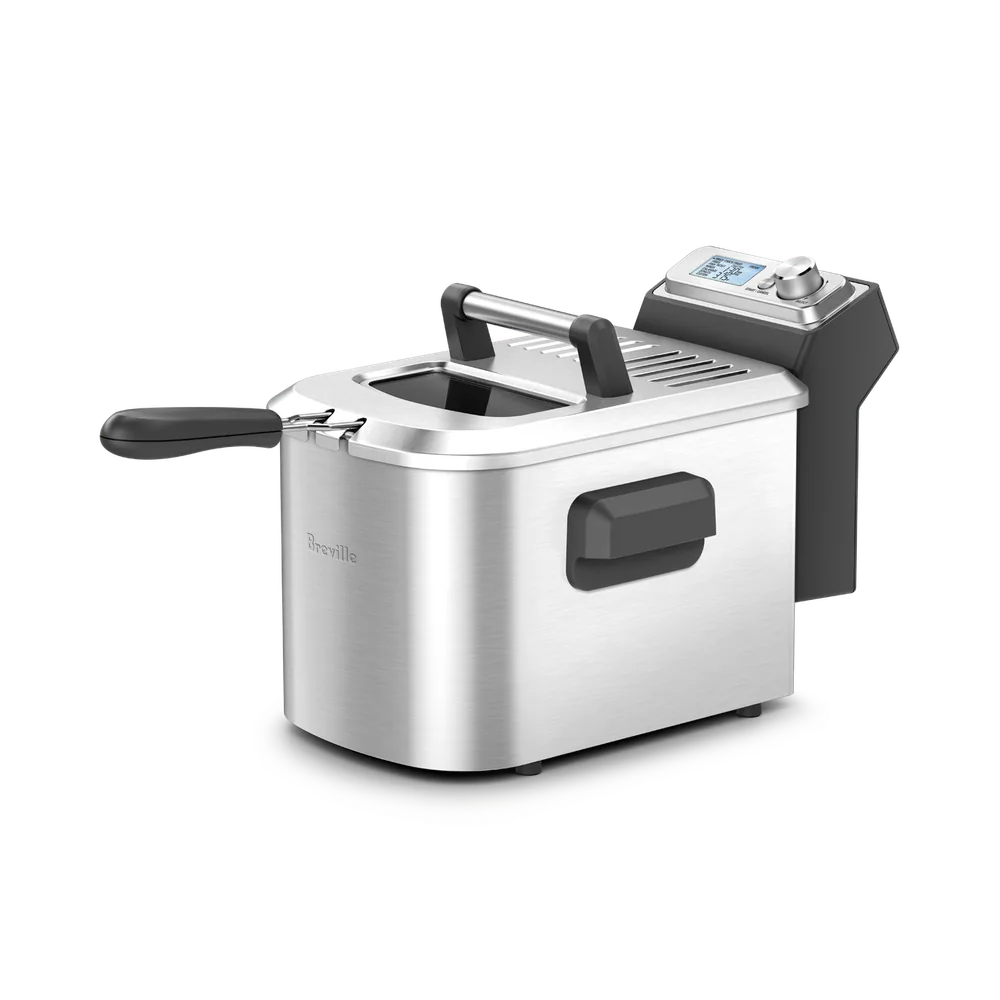
Breville BDF500XL Smart Fryer

Choose basket space over a big capacity claim

Frozen food expands the challenge of basket loading because it enters the oil cold and often carries surface frost. A large stated food capacity can be misleading if it encourages you to pile fries or snacks deep into the basket. Crowding blocks oil circulation and traps steam, so the food may thaw and absorb oil before its exterior has a chance to crisp. Look for a basket shape that lets food spread out in a relatively loose layer. A wider basket is often more useful for fries and flat snacks than a narrow, deep basket with a similar listed capacity. If you usually cook a full bag of fries for several people, plan on multiple batches unless the fryer has enough oil volume and basket area to handle that amount without packing it in. Better spacing usually beats a larger claimed capacity.

Temperature control keeps frozen food from turning greasy

Frozen foods need oil at the proper cooking temperature before they go in. When the oil starts too cool, the food spends longer warming and can develop a heavy or greasy exterior. When the oil is too hot, breading can darken before the center is heated through. An adjustable thermostat lets you follow the food package guidance or adjust for the type and thickness of what you are frying. Choose controls that are easy to read and use. A temperature dial with clear markings is more helpful than broad settings that leave you guessing. A ready indicator can help you wait for the oil to heat before the first batch and recover before the next one. Do not assume the indicator means a crowded basket is acceptable. Even a well-controlled fryer needs smaller loads when the food is very cold or heavily frosted.

Recovery matters most when cooking several batches

Heat recovery is the fryer's ability to bring oil back to the selected temperature after food cools it down. It becomes especially important with frozen fries and appetizers because many households cook several batches in one session. If the fryer recovers slowly, later batches may need more time and can come out less crisp than the first batch. Wattage can offer a clue about recovery, particularly when comparing fryers with similar oil capacities. It is not the whole story. Oil volume, heating element design, thermostat behavior, and batch size all affect how the fryer responds. A practical approach is to buy enough fryer for your normal portion, then divide larger amounts into batches. Let the oil return to temperature between batches when needed instead of adding more food while the oil is still struggling to recover.

Plan for frost, crumbs, and oil cleanup

Before frying, shake loose ice and excess frost from frozen food. Do not add wet food or food with visible ice buildup directly to hot oil. Water turns to steam rapidly in hot oil, which can cause splattering and may push oil upward in the reservoir. Keep the basket below its fill limit and lower it carefully according to the fryer instructions. Frozen breading and potato pieces can leave crumbs in the oil. Those crumbs darken over repeated cooking and can make later batches taste scorched. A fryer with a removable basket and accessible reservoir makes it easier to remove debris after the oil has cooled. If you plan to reuse oil, filter it only after it is fully cool, store it in a suitable closed container, and replace it when it becomes dark, smells off, foams excessively, or leaves food with an unpleasant flavor.

What this guide helps you understand

For frozen foods, prioritize a basket that prevents crowding, clear temperature control, and enough recovery for repeated small batches.

Choose a fryer whose basket can hold your usual frozen-food portion loosely, and make room to cook larger amounts in separate batches.

Technique notes

Frozen foods create more crumbs and moisture than many fresh foods, so regular oil filtering and reservoir cleanup have a direct effect on later batches.

Safety note: Remove loose ice and visible frost before frying, lower food carefully, and never overfill the oil reservoir or basket.

More from Deep Fryers

← Back to Deep Fryers