
Pickori

Cooking Guide

How to Fry Chicken Wings in a Deep Fryer

Fry chicken wings successfully by drying them well, cooking small batches at a steady temperature, and confirming the thickest pieces are fully cooked before serving.

Reading time: 8 minutesBest for: Home cooks frying plain, seasoned, or lightly coated chicken wings
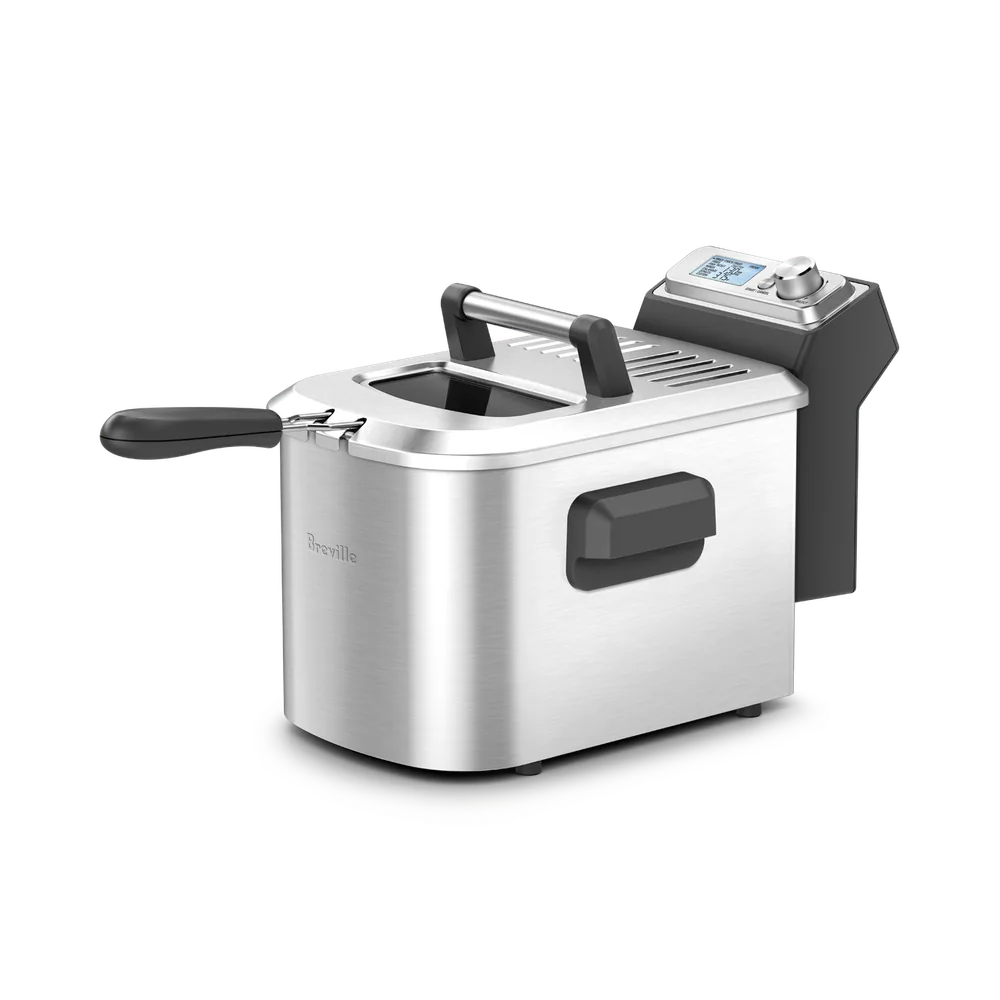
Breville BDF500XL Smart Fryer

Dry and season wings before frying

Use fully thawed chicken wings. If they were frozen, thaw them safely in the refrigerator and discard any packaging liquid before seasoning. Pat every wing dry with paper towels, including the folds around the joints. Surface moisture is the main cause of aggressive splattering, and dry skin also browns more effectively in hot oil. Season wings with salt, pepper, and dry spices, or use a light coating designed for frying. Avoid thick wet marinades immediately before frying because they can drip into the oil, burn, and make the crust uneven. If you use flour or starch for a coating, apply it evenly and shake off loose excess. Loose breading falls into the oil, where it can darken and stick to later batches.

Set the oil temperature for even browning

Set the fryer to a moderate frying temperature appropriate for chicken, using the appliance instructions as your starting point. Oil that is too cool allows the wings to absorb more oil before the skin crisps. Oil that is too hot can darken the outside quickly while the meat near the bone needs more time to cook. Give the fryer time to preheat fully before adding the first batch. The temperature dial is useful, but the important part is how the oil behaves after food enters. A large load of refrigerator-cold wings can cause a sharp temperature drop. Smaller batches help the fryer recover, so the wings brown steadily rather than alternating between pale, oily cooking and sudden overbrowning.

Fry in manageable batches

Arrange wings loosely in the basket instead of packing them tightly. They need room for hot oil to circulate around each piece. If wings are piled together, the contact points cook more slowly, steam gets trapped, and the fryer has to heat too much cold food at once. Divide a family-size package into several batches even if the basket appears large enough to hold it all. Lower the basket slowly to reduce splashing, then keep the fryer attended while the wings cook. Turn or gently separate pieces only if your fryer design and instructions allow it safely. Between batches, remove loose crumbs with a heat-safe utensil once the oil has settled, and allow the oil to return to the selected temperature. This keeps later batches from picking up burnt debris or cooking in cooler oil.

Check doneness and handle used oil afterward

Check the thickest wing in a batch with a food thermometer, avoiding contact with bone. Chicken should reach a safe internal temperature before serving. If the wings are browned but not done, lower the oil temperature slightly or finish them briefly in a hot oven rather than continuing to fry at an overly high setting. This protects the exterior from becoming too dark. After frying, drain wings on a wire rack and sauce them just before serving. Let the fryer and oil cool completely before attempting cleanup. Strain cooled oil if it is still clean enough to reuse, then store it in a sealed container away from heat and light. If the oil smells rancid, looks unusually dark, foams, or contains many burned particles, dispose of it according to local household waste guidance.

What this guide helps you understand

Dry wings, small batches, and a thermometer are the three controls that matter most. Crisp skin is desirable, but the thickest wing must be checked for full doneness before it reaches the table.

Start with fully thawed wings.
Pat wings dry before seasoning or coating.
Keep batches loose enough for oil circulation.
Check the thickest pieces with a food thermometer.

Technique notes

Add wet sauces after frying to preserve crisp skin.
A rack drains wings better than stacking them on a plate, where steam can soften the underside.

Safety note: Never add wet or icy chicken to hot oil. Keep the fryer attended, lower the basket slowly, and allow oil to cool fully before filtering or disposing of it.

More deep fryers help

← Back to Deep Fryers