
Pickori

Category guide

Coffee Maker Capacity Explained: Why a Cup Is Not Always 8 Ounces

Coffee maker capacity labels use their own cup measurements, so compare the stated volume with the size of the mugs and batches you actually serve.

Reading time: 9 minutesBest for: Households and workplaces choosing a coffee maker that matches their actual serving sizes and brewing schedule
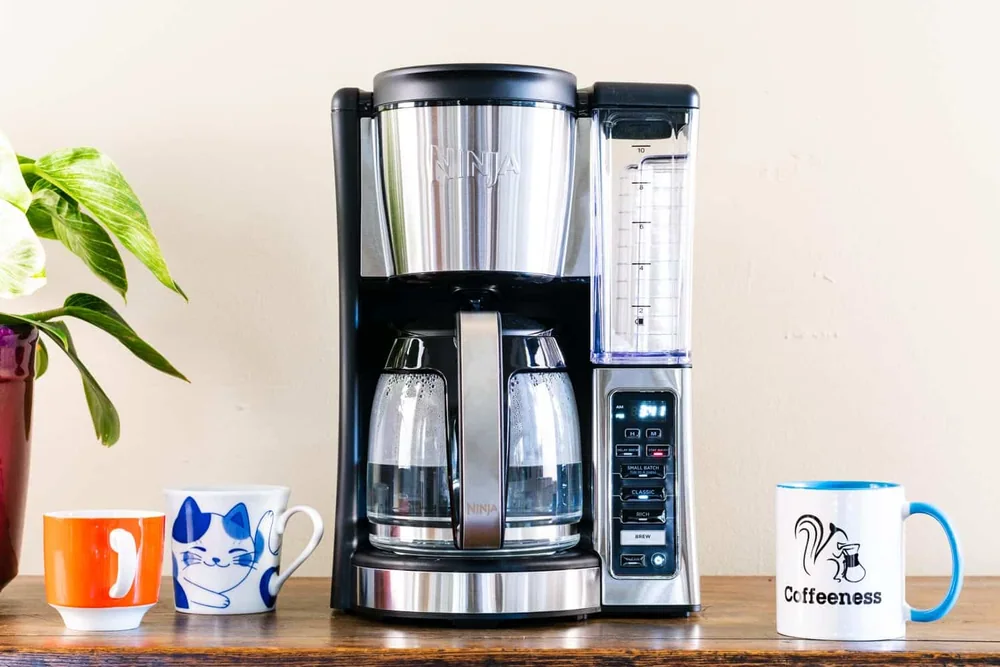
Ninja CE251 12-Cup Coffee Brewer

Coffee-maker cup measurements

The cup number printed on a coffee maker is a capacity label, not a promise of standard kitchen cups. Many brewers define a cup as a smaller amount than 8 ounces, and some use different measurements from others. Read the manual or water reservoir markings to find the machine's stated volume. If the information is given in ounces, that is the clearest number for comparing one brewer with another. This difference matters when planning a shared pot. A 12-cup label can sound suitable for a dozen people, yet it may provide much less than twelve full mugs. It also affects coffee measurement. If you fill the reservoir to a numbered line without knowing what that line represents, you may make a stronger or weaker batch than intended. Use the brewer's markings as a starting point, then adjust the coffee amount based on taste and the actual water volume you added.

Real mug capacity

Most people do not drink coffee from a small measuring cup. A home mug may hold substantially more than 8 ounces, and a travel tumbler can hold more still. It also should not be filled to the rim, especially if you add milk, cream, ice, or a lid. Measure your favorite mug with water once, leaving the amount of empty space you normally use. That gives you a practical serving size for choosing a brewer. For example, a household that drinks two large mugs each morning may need more capacity than a cup count suggests. On the other hand, buying the largest brewer for one person can lead to stale leftovers or repeated attempts to brew a tiny amount in a machine designed for a full pot. Think in servings, not labels. Count how many mugs are poured at one time, how much each person drinks, and whether anyone takes a second cup before selecting a carafe size.

Small-batch brewing

A full-size coffee maker does not always brew one or two servings as well as it brews a larger pot. With a small amount of water, the flow through the grounds can be different, and some machines may not keep the brew bed evenly saturated. The brew bed is the layer of grounds in the filter basket. When water misses part of that layer or passes through too quickly, coffee can taste weak, uneven, or overly sharp. If your daily volume changes, look for a genuine small-batch setting or clear instructions for brewing reduced amounts. A useful setting adjusts the brewing process, rather than simply stopping the machine early. Also check the minimum fill line. Brewing below it can cause poor results and may not be supported by the machine. For one-person households, a compact brewer or a machine designed to brew directly into a mug may be more practical than making a partial pot every day.

Choosing for a household or office

For a household, start with the busiest coffee period rather than the total coffee consumed all day. If three people want coffee within half an hour, choose a brewer that can make that first round without forcing someone to wait for a second batch. A thermal carafe can help when people pour over time because it holds coffee warm without relying on a hot plate. A glass carafe makes the remaining amount easy to see, but coffee can continue heating while it sits. An office needs a different calculation. Consider how many people may pour during the same break, whether someone is responsible for refilling water and emptying grounds, and where the machine will be placed. A large capacity is only useful if the carafe is easy to pour, the water tank is manageable to fill, and the brewer can be cleaned consistently. If demand comes in waves, two smaller brewers can sometimes be easier to manage than one oversized machine, especially when different groups prefer different coffee strengths.

What this guide helps you understand

Choose coffee maker capacity by converting your normal mugs and busiest serving time into actual water volume, not by relying on the number of cups in the product name.

Measure the usable volume of the mugs or travel cups used most often, then multiply by the number of people who usually pour coffee at the same time.

Technique notes

Do not leave brewed coffee on a warming plate longer than necessary. Brewing a smaller fresh batch later often tastes better than holding a large pot for hours.

Safety note: Keep the carafe lid in place while pouring and use care around hot plates, hot coffee, and steam from the brew basket.

More from Coffee Makers

← Back to Coffee Makers