
Pickori

Category guide

How Much Work Does a Home Espresso Machine Really Take?

Home espresso can be a quick routine after practice, but the amount of work depends heavily on how much grinding, brewing, and milk preparation the machine leaves to you.

Reading time: 9 minutesBest for: People considering a first home espresso machine and trying to match its daily work to their routine
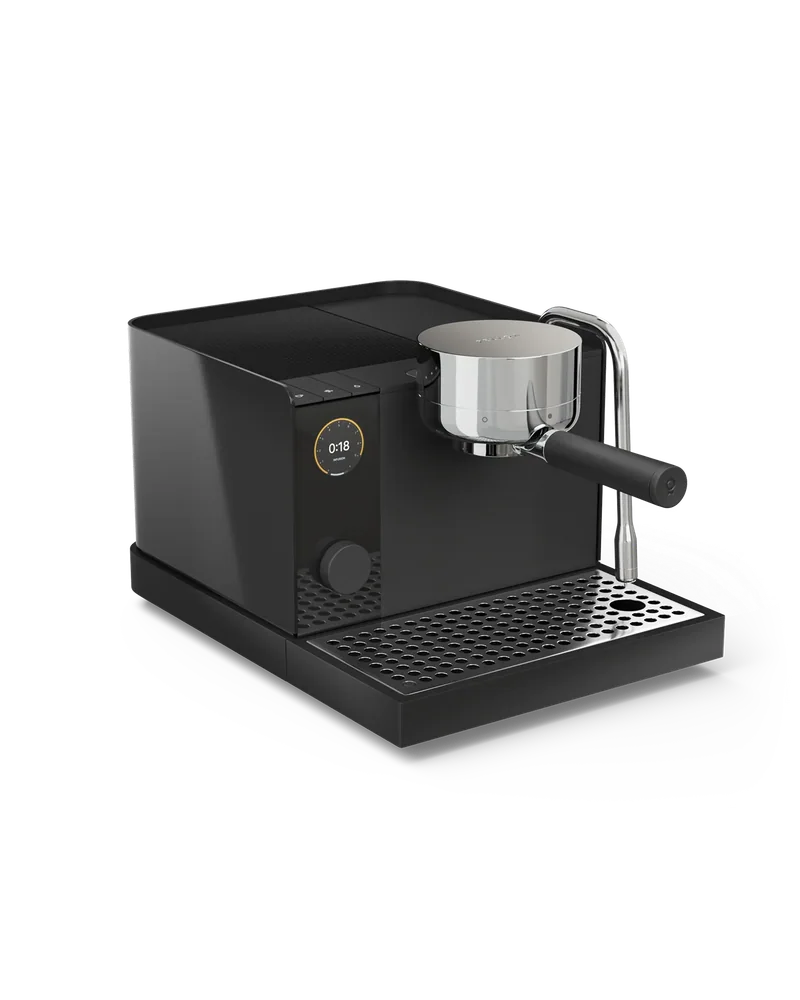
Fellow Espresso Series 1

Grinding, dosing, and tamping

Espresso is sensitive to the relationship between grind size, coffee amount, and brew time. The grounds need to be fine enough to create resistance to water, but not so fine that water barely passes through. With a manual or semi-automatic machine, you grind coffee, place it in a portafilter, which is the handled basket that locks into the machine, distribute the grounds, and tamp them level. Small inconsistencies can change the result from one shot to the next. At first, this process can take several minutes and produce some discarded shots while you learn what your machine and beans need. It becomes faster when you use the same basket, dose, and grinder setting regularly. A machine with a built-in grinder or guided dosing can reduce measuring steps, but it does not remove the need to keep the grinder clean and adjust it when coffee behaves differently. If weekday mornings are rushed, plan for a simpler drink or use a drip brewer as a backup.

Milk steaming

Milk steaming has two jobs. First, a steam wand introduces a little air to create foam. Then it heats and mixes the milk into a smooth texture. Cappuccinos generally use more foam, while lattes use more liquid milk with a thinner layer of foam. The technique takes practice because the wand position, steam strength, milk amount, and pitcher shape all affect the result. Cleaning is part of every milk drink, not an occasional task. Wipe the wand immediately after steaming and briefly release steam to clear milk from the tip. Dried milk can block small openings, reduce steam performance, and become difficult to remove. Automatic milk systems reduce hands-on steaming, but their tubes, containers, and internal paths still need prompt rinsing and regular cleaning. Choose a milk setup you will actually clean after a tired morning, rather than one that only looks convenient in a feature list.

Dialing in different beans

Dialing in means adjusting your setup until a coffee produces a balanced shot. Beans vary by roast level, age, and origin, so a grinder setting that worked last week may not work today. If a shot runs very quickly and tastes thin or sharply sour, the grind may need to be finer or the coffee dose may need adjustment. If it runs very slowly and tastes harsh or overly bitter, the grind may need to be coarser or the dose may be too high. This is why espresso rewards a stable routine. Start with one coffee, use the same basket and amount of grounds, and change one variable at a time. Keep brief notes on the grinder setting and the result until you recognize the pattern. Switching beans frequently can be enjoyable, but it adds setup time and uses more coffee during adjustment. People who want variety with minimal effort may prefer a machine that uses pre-portioned coffee or a brewer that is less sensitive to fine grind changes.

Automatic help versus manual control

Automation can mean several different things. A semi-automatic machine controls water delivery but leaves grinding, dosing, and milk steaming to you. A machine with assisted features may measure a dose, guide tamping, or stop the shot automatically. A fully automatic machine can grind, brew, and often prepare milk drinks with button selections. These systems reduce repetitive work, but they do not eliminate the need to refill water, empty used grounds, clean milk parts, and descale the machine. Manual control is useful when you enjoy adjusting a drink and want to learn how changes affect flavor. It is less useful when the machine's setup steps become a reason not to use it. Consider who will make coffee in the household. A hands-on machine can be satisfying for one person but frustrating for everyone else. Choose the level of automation that makes your usual drink realistic on an ordinary morning, then make sure its cleaning routine is equally realistic.

What this guide helps you understand

Choose an espresso machine based on the daily steps you are willing to repeat, especially grinding adjustments and milk cleanup, not just the drinks shown on its control panel.

Write down your most common espresso drink and estimate whether you will make it black or with milk, once or several times each day.

Technique notes

Keep a small cloth near the machine for wiping the steam wand and portafilter area. Immediate cleanup prevents coffee residue and milk from hardening.

Safety note: Steam wands, hot water outlets, and metal brewing parts can cause burns. Keep hands clear while the machine is operating and allow parts to cool before deeper cleaning.

More from Coffee Makers

← Back to Coffee Makers