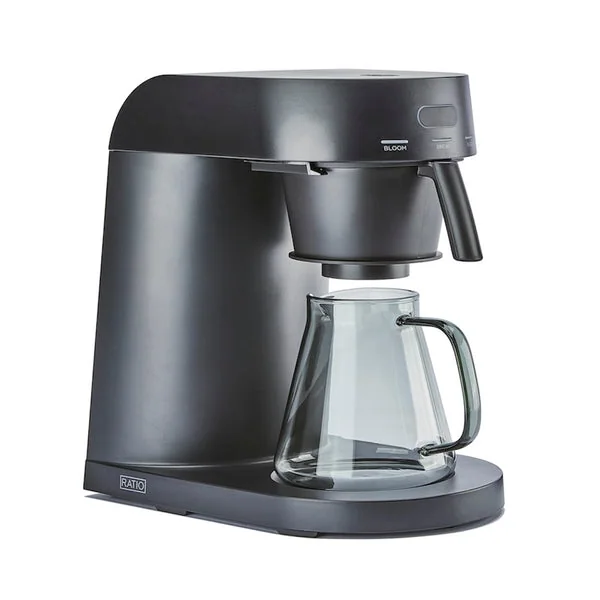
What to Do During the First Week With a New Coffee Maker
Published
Use the first week to clean the machine, establish a dependable recipe, and build maintenance into the routine before residue becomes a problem.
Reading time: 8 minutesBest for: New coffee maker owners who want consistent coffee and an easy maintenance routine
Wash and flush the machine
Before brewing coffee, remove and wash the parts the manual identifies as washable, such as the carafe, filter basket, lid, scoop, and removable water tank. Use warm water and mild dish soap, then rinse thoroughly. Do not assume every part is dishwasher-safe. Some plastic lids, thermal carafes, grinder pieces, and electronic components need hand washing or wiping only.
Next, run one or more full water-only brew cycles as directed for the machine. This flushes out dust or manufacturing residue and lets you check for leaks, unusual drips, or a poorly seated carafe. Discard the water from each cycle. If the brewer has a built-in grinder, do not put beans in it until you have confirmed the basic water cycle works and you understand how the grinder and brew basket are removed for cleaning.
Choose one repeatable recipe
Pick a simple starting recipe and repeat it for several brews. Use the same coffee, the same water amount, the same filter type, and the same scoop or scale. A common starting point is to follow the coffee maker's stated coffee-to-water guidance, then judge the result after the coffee has cooled enough to taste clearly. The goal is consistency, not a complicated formula.
Write down what you used if your machine has several cup sizes or strength settings. Coffee maker cup markings may not match the mug you drink from, so measure water by the machine's markings and note how much brewed coffee reaches your cup. If the coffee is weak, add a little more coffee on the next brew. If it is too intense, reduce the dose slightly. Keep the water amount unchanged while making that first adjustment.
Change one variable at a time
Coffee flavor changes when you alter the dose, grind, water volume, filter, bean freshness, or brew setting. Changing several at once makes it difficult to know what caused the improvement or problem. For example, if a pot tastes bitter, do not immediately switch beans, use less coffee, choose a different strength setting, and change the grind. Start with one likely cause.
Use taste and the brew basket as clues. Weak, watery coffee usually calls for more coffee or a slightly finer grind if you grind your own beans. Bitter coffee, slow draining, or grounds overflowing the basket can point to too fine a grind or too much coffee. If the machine has a bold setting, try it only after you have a normal setting recipe you like. That makes the setting useful rather than confusing.
Set a realistic cleaning routine
After each brew, discard the used grounds and paper filter, rinse the brew basket, and empty the carafe rather than leaving old coffee on a warming plate. Rinse a thermal carafe promptly, especially around the lid and pour spout where coffee oils collect. If your machine uses a permanent filter, rinse it thoroughly and inspect the fine mesh for trapped grounds.
At least once a week, wash removable parts more thoroughly and wipe splashes from the warming plate, control area, and water tank exterior with a damp cloth. Follow the machine's instructions for descaling, which removes mineral buildup left by water. Hard water can make this necessary more often. Built-in grinders need regular brushing or cleaning according to their instructions, and milk systems should be cleaned immediately after each use because dried milk is much harder to remove.
What this guide helps you understand
A dependable first-week routine is simple: flush the machine, repeat one basic recipe, adjust only one thing per brew, and clean coffee-contact parts before residue dries.
Read the care instructions before washing removable parts or using a dishwasher.
Run the recommended water-only flush cycle before the first coffee brew.
Keep the same coffee, water amount, and filter type while dialing in your first recipe.
Check the machine's descaling instructions and note the cleaning indicator, if it has one.
Technique notes
Use fresh, cold water for each brew instead of reheating coffee or leaving water in the tank for long periods.
Safety note: Unplug the coffee maker and let hot surfaces cool before wiping the warming plate, cleaning around the brew head, or handling removable parts after a brew.