Bitterness is often a lingering, dry, harsh taste that can resemble burnt toast, dark cocoa, or an overly strong unsweetened drink. Sourness is sharper and more immediate. It may remind you of under-ripe fruit, lemon, or a tang that makes the sides of your mouth water. A coffee can be both bitter and sour when brewing is uneven or the coffee is stale.
Do not confuse bitterness with a naturally dark roast flavor, or sourness with the pleasant fruit-like acidity found in some lighter roasts. The key is balance. A balanced cup may have bitterness and acidity, but neither should dominate in an unpleasant way. Let the coffee cool slightly before judging it, since very hot coffee hides sweetness and makes it harder to separate flavors.
Change grind before changing everything
Grind size is one of the most useful adjustments because it changes how quickly water extracts flavor. A finer grind has more surface area and slows water movement, which can increase extraction. If coffee tastes sour, thin, and underdeveloped, try a slightly finer grind. Make a small change, then brew again with the same coffee amount and water amount.
A coarser grind has less surface area and usually lets water pass through more easily. If coffee tastes bitter, dry, or overly harsh, try a slightly coarser grind. Avoid making a dramatic jump. Large changes can create a new problem and make it difficult to learn what caused the improvement. For drip coffee, grounds should generally look like a consistent medium texture, not powdery dust or large uneven chunks.
Check water temperature and contact time
Contact time is how long water remains in contact with the grounds. Too little contact time can leave coffee sour and weak. Too much can pull out harsh, bitter flavors. In a drip brewer, contact time is affected by grind size, how evenly the basket drains, the amount of coffee, and whether the machine is brewing at a suitable pace.
Water temperature also affects extraction. If a machine does not heat well, coffee may taste flat or sour even with a reasonable grind. A brewer that runs unusually slowly, sputters, or produces cooler coffee may have mineral buildup in its internal water path. Descale it according to its instructions, then brew again before assuming the beans or recipe are the problem.
Use fresh coffee and clean equipment
Coffee loses aroma after grinding, so grind beans shortly before brewing when possible. Store beans in a sealed container away from heat, moisture, and direct light. Do not keep them in the hopper for long periods if the hopper sits in sunlight or near a warm appliance. Pre-ground coffee can still make a good cup, but it benefits from careful storage and a consistent recipe.
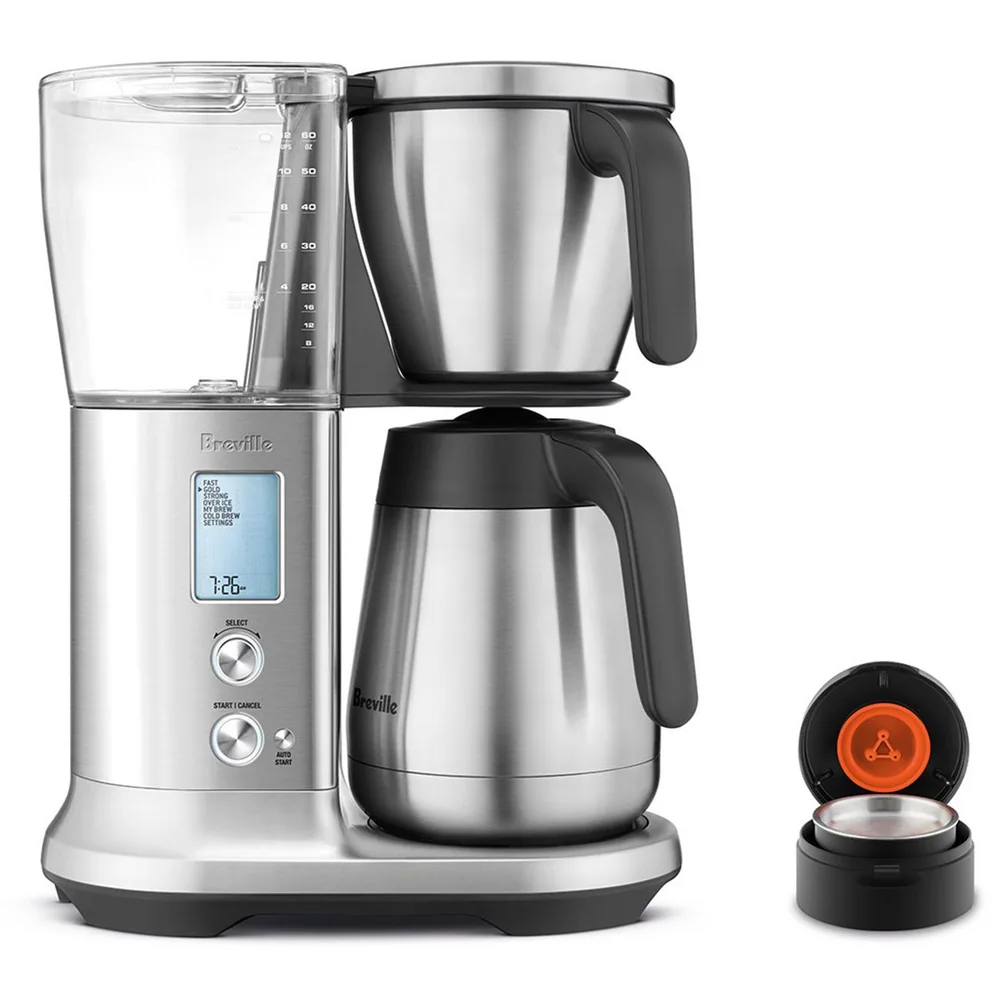
Clean equipment matters because coffee oils become rancid as they sit on the carafe, basket, lid, and reusable filter. Those oils can add bitterness even when the fresh grounds are good. Wash removable coffee-contact parts regularly, and descale the brewer when flow slows or a cleaning indicator appears. If you use a thermal carafe, rinse it soon after serving because old coffee residue can cling inside.
What this guide helps you understand
Identify whether the coffee is bitter or sour, adjust the grind in a small direction that matches the problem, then check brewing flow, freshness, and cleanliness before changing the whole recipe.
A consistent coffee-to-water recipe
A grinder with adjustable settings, if using whole beans
Fresh water and clean filters or a clean reusable filter
A clean carafe, brew basket, and water path
Technique notes
Sour coffee usually calls for slightly finer grinding or more effective extraction.
Bitter coffee usually calls for slightly coarser grinding or less extraction.
Do not leave brewed coffee on a hot plate longer than necessary, since continued heating can make it taste harsher.