
Pickori

Category guide

Coffee Maker Features That Matter and the Ones You Can Skip

Focus on coffee maker features that fit your routine, improve consistency, and do not create unnecessary cleanup.

Reading time: 9 minutesBest for: Buyers comparing coffee makers with long feature lists and different brewing styles
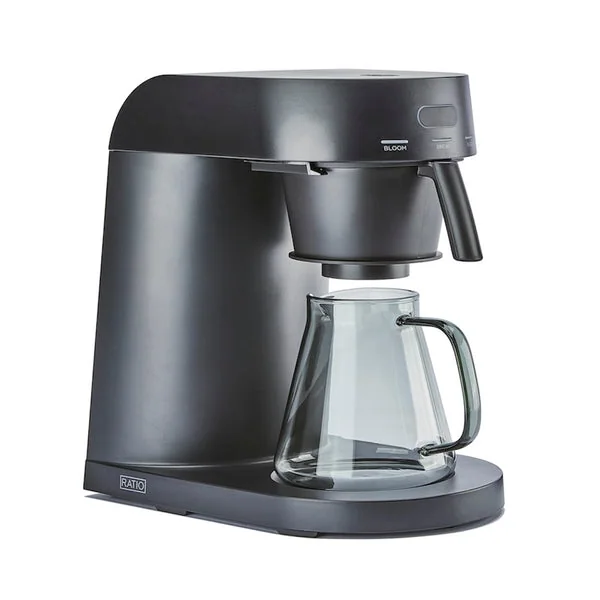
Ratio Four Coffee Maker

Useful programming

Programmable start time is useful for people with a regular schedule, but it works best when the setup is simple. You still need to add water and coffee in advance, so consider whether you are comfortable leaving prepared grounds overnight. A clear clock, easy-to-reach controls, and a timer that remains set after a brief power interruption can matter more than a complicated menu. Other practical controls include adjustable brew strength, an automatic shutoff, and a pause feature that lets you pour a cup before the cycle ends. Brew-strength settings usually change how long water contacts the grounds or how the machine manages water flow. They can help, but they cannot correct stale beans, an unsuitable grind, or an overloaded basket. Choose controls you will use repeatedly, not settings that require a manual every morning.

Temperature and bloom controls

Brew temperature affects extraction, the process of dissolving flavor from ground coffee. Water that is too cool may leave coffee thin or sour, while poorly controlled heat can make results inconsistent from one pot to the next. A useful machine aims for stable brewing conditions throughout the cycle. A stated temperature number alone is less helpful than a design that delivers water evenly and does not rush through the grounds. Bloom is a short pre-wet stage that allows fresh coffee to release trapped gas before the main brew begins. It can help water contact the grounds more evenly, especially with recently roasted whole beans. This feature is helpful when you use fresh coffee and care about small flavor adjustments. It is less important for a quick weekday pot made with older pre-ground coffee. Do not pay extra for manual controls if you prefer a one-button routine.

Specialty and iced settings

Specialty settings can be useful when they make a drink you prepare often. An iced-coffee setting usually brews a more concentrated coffee intended to be poured over ice, which prevents the finished drink from tasting too diluted. A dedicated small-batch mode can also be valuable because some large brewers move water too quickly when making only one or two cups. Treat drink presets with caution. A button labeled latte, cappuccino, or café-style does not by itself create a good result. Espresso-based drinks depend on suitable coffee, a fine and consistent grind, correct dosing, and milk texture. If a machine includes milk preparation, ask where milk travels, what must be rinsed after each drink, and whether parts can be removed for cleaning. A feature that saves a minute at brewing time can create more work afterward.

Features that add work without improving coffee

Built-in grinders, milk systems, touchscreens, and large preset menus can be useful, but each adds a maintenance obligation. A grinder needs periodic cleaning because retained grounds become stale and can clog the path to the brew basket. Automatic milk systems need prompt rinsing and regular disassembly because milk residue dries quickly. If those tasks do not fit your routine, a simpler brewer may make better coffee more consistently simply because it stays clean. Marketing terms deserve the same scrutiny. "Barista quality" has no fixed definition, and maximum pressure figures do not tell you whether an espresso machine controls pressure well during brewing. For drip coffee, prioritize a suitable capacity, a carafe that matches how long coffee sits, a practical small-batch option if needed, and parts you can wash easily. For espresso, prioritize a workable grinder plan, clear controls, and a cleaning routine you will maintain.

What this guide helps you understand

Buy features that support your usual drinks and schedule, then avoid systems whose cleaning and setup demands you will not keep up with.

List the drinks and batch sizes you make in a typical week, then reject any feature that does not improve one of those routines.

Technique notes

A thermal carafe is often more useful than a long warming-plate timer when coffee sits after brewing, because it holds heat without continuing to cook the coffee.

More from Coffee Makers

← Back to Coffee Makers