
Pickori

Maintenance Guide

How Often Should You Descale a Coffee Maker?

Descale when mineral buildup begins to affect brewing, with the right schedule depending mainly on your water and how often you use the machine.

Reading time: 8 minutesBest for: Coffee maker owners who want a practical descaling routine
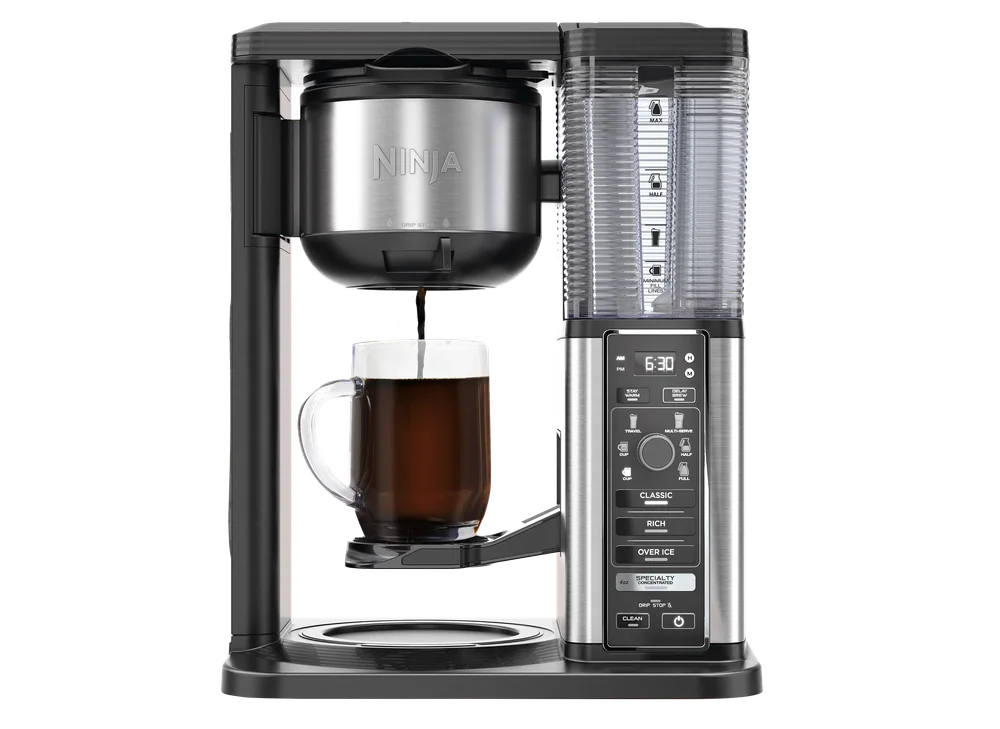
Ninja Specialty Coffee Maker CM401

Let water hardness set the schedule

Water hardness describes how much dissolved mineral is in the water. Harder water leaves more scale behind as water heats and evaporates. If you see white residue around the water tank, carafe lid, or other wet surfaces, assume the inside of the brewer may also need more frequent attention. Start by following the machine's stated descaling reminder or maintenance guidance, then adjust based on what you observe. Homes with harder water often need a shorter interval, while filtered water may reduce buildup. A water filter can help with some minerals and improve taste, but it does not eliminate the need to descale. Replace any filter on its intended schedule so it does not become another neglected part.

Watch for slower brewing and temperature changes

A longer-than-usual brew cycle is a common sign that scale is restricting water flow. You may also notice weaker coffee, a smaller finished volume, extra noise during brewing, or coffee that does not seem as hot as it once did. These changes can have other causes, but they are good reasons to inspect the machine and consider descaling. Do not wait until the brewer stops working. Scale is easier to remove when it is addressed early, and regular cleaning reduces the chance that buildup will interfere with moving parts. Keep the brew basket, shower area, carafe, and water tank clean as well. Old coffee oils and loose grounds can cause poor flavor or slow drainage even when mineral scale is not the main problem.

Use the right descaling method

Use the descaling solution, dilution, and cycle described for your coffee maker. Some machines have a dedicated cleaning program that pauses or runs water in stages. Others require a manual brew cycle. The correct method matters because different machines use different materials, water paths, and sensors. Do not substitute a strong household cleaner or use an improvised mixture unless the machine instructions specifically allow it. A product that removes visible residue from a countertop may leave an odor, damage internal parts, or create excessive foam inside a brewer. Remove paper filters and coffee grounds before starting. If the machine has a removable water filter, check whether it should be taken out during descaling.

Rinse before making coffee again

After the descaling cycle, run plain water through the machine as directed. This rinse flushes out remaining descaling solution and loosened mineral residue. Empty the carafe after each rinse cycle, refill with fresh water, and continue until the instructions say the machine is ready for coffee again. Do not judge the rinse by appearance alone. Water can look clear while still carrying a noticeable taste or smell. Once rinsing is complete, wash the carafe, brew basket, and removable parts that came into contact with the solution. Then brew a small test batch of plain water or coffee. If anything tastes unusual, repeat the plain-water rinse before returning to your normal routine.

What this guide helps you understand

Descale according to your machine's instructions, but let water hardness and early warning signs such as slower brewing determine whether you need to do it sooner.

Check the coffee maker instructions for approved descaling products and the correct cleaning cycle.
Remove used grounds and disposable filters before descaling.
Run the required plain-water rinse cycles before brewing coffee again.

Technique notes

A clean brew basket and carafe improve flavor but do not replace descaling the internal water path.
If a maintenance light remains on after cleaning, follow the reset steps for that specific machine.

Safety note: Unplug the coffee maker before cleaning exterior surfaces, and allow hot parts to cool before handling them.

More coffee makers help

← Back to Coffee Makers