
Pickori

Carafe Guide

How to Keep Coffee Hot Without Burning It

Keep coffee warm by reducing how long it sits on heat, using a preheated thermal carafe, and brewing amounts you can finish while flavor is fresh.

Reading time: 8 minutesBest for: Drip coffee drinkers who want a hot pot with better flavor
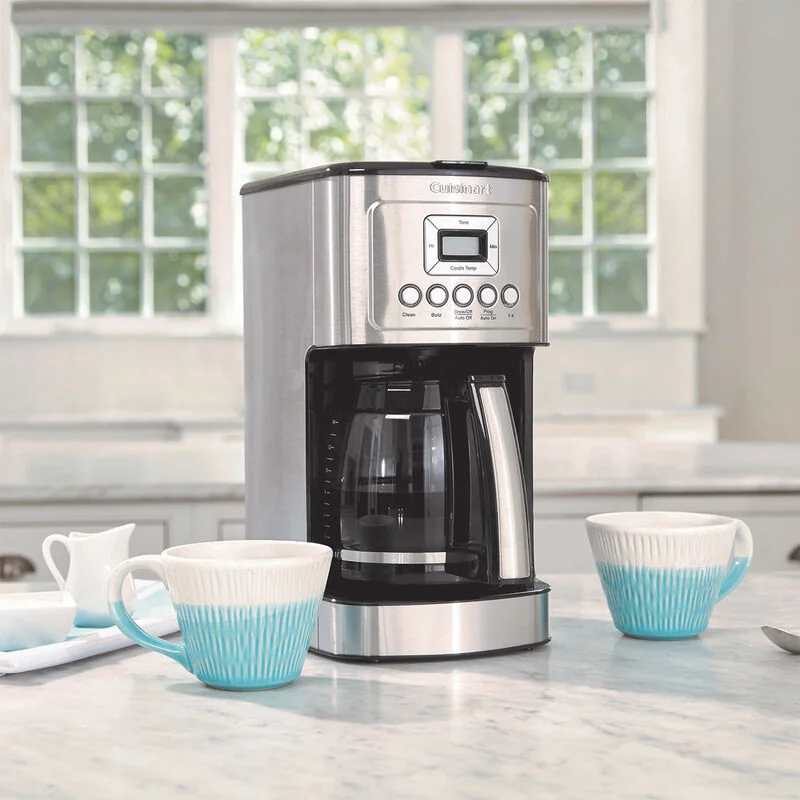
Cuisinart DCC-3200 14-Cup Programmable Coffee Maker

Why hot plates change flavor

A hot plate warms a glass carafe from below. As coffee sits, the bottom of the pot receives more heat than the rest, and the coffee continues to lose aromatic compounds that give it a fresh smell and balanced taste. The remaining liquid can become more concentrated as moisture escapes, which makes bitterness and harshness more obvious. A hot plate is still useful when coffee will be poured and finished soon after brewing. The problem is treating it as long-term storage. If your machine allows you to adjust the warming period, choose a shorter setting that matches your routine. Turn the plate off once the coffee is transferred or once the people drinking it have filled their cups.

Preheat a thermal carafe

A thermal carafe has insulated walls that slow heat loss. Preheat it before brewing by filling it with hot tap water, letting it sit briefly, then emptying it just before coffee goes in. Warming the interior prevents the carafe from pulling heat out of the first pour of coffee. Keep the lid closed as much as possible after filling the carafe. Every opening releases heat and aroma. If the carafe has a pour-through lid, make sure it is properly positioned so it can retain heat while still pouring correctly. Wash the lid and its seals carefully, since trapped coffee oils can create stale flavors that are easy to mistake for a brewing problem.

Brew the amount you will drink

Brewing a full pot for one or two cups creates a holding problem before the first sip. A smaller batch is usually better than trying to preserve a large amount on a hot plate. If your coffee maker has a small-batch setting, use it when making only a few cups. It may adjust the flow or cycle to improve extraction with less water. Match the batch size to the number of people drinking and the time they will drink it. For example, a household that has coffee over one hour can brew a moderate batch and place it in a thermal carafe. A household with staggered schedules may be better served by separate smaller brews rather than one pot held warm all morning.

Know when to make a fresh pot

Even well-held coffee eventually loses its appealing aroma and balance. A thermal carafe slows the decline, but it cannot make coffee taste newly brewed indefinitely. When the coffee begins to taste flat, overly bitter, or noticeably different from the first cup, making a fresh smaller batch is usually the better answer. Do not try to fix old coffee by turning up the hot plate or mixing it with a new pot. The older coffee can carry its stale flavor into the fresh batch. Empty and rinse the carafe before brewing again, especially if coffee has sat for a long time. This also prevents dried residue from building up around the lid, spout, and bottom of the carafe.

What this guide helps you understand

For hot coffee that still tastes fresh, use the hot plate briefly, preheat a thermal carafe, and brew only as much as your household will drink in a reasonable time.

Use a thermal carafe with a clean, properly fitting lid for longer holding.
Preheat the carafe with hot water and empty it before adding coffee.
Set the hot plate to the shortest practical warming period, if the machine offers that control.

Technique notes

Glass carafes are convenient for seeing the coffee level, but they are best for coffee that will be served soon.
Clean carafe lids thoroughly because old oils can make fresh coffee taste stale.

Safety note: Handle full carafes carefully, keep hot coffee away from children and pets, and never place a thermal carafe on a hot plate unless its instructions specifically permit it.

More coffee makers help

← Back to Coffee Makers