
Pickori

Category guide

How to Use Air Fryer Temperature and Time Settings

Use temperature and time controls with more confidence by adjusting for food thickness, load size, moisture, and the amount of browning you want.

Reading time: 9 minutesBest for: New owners who want to move beyond presets and make reliable cooking adjustments
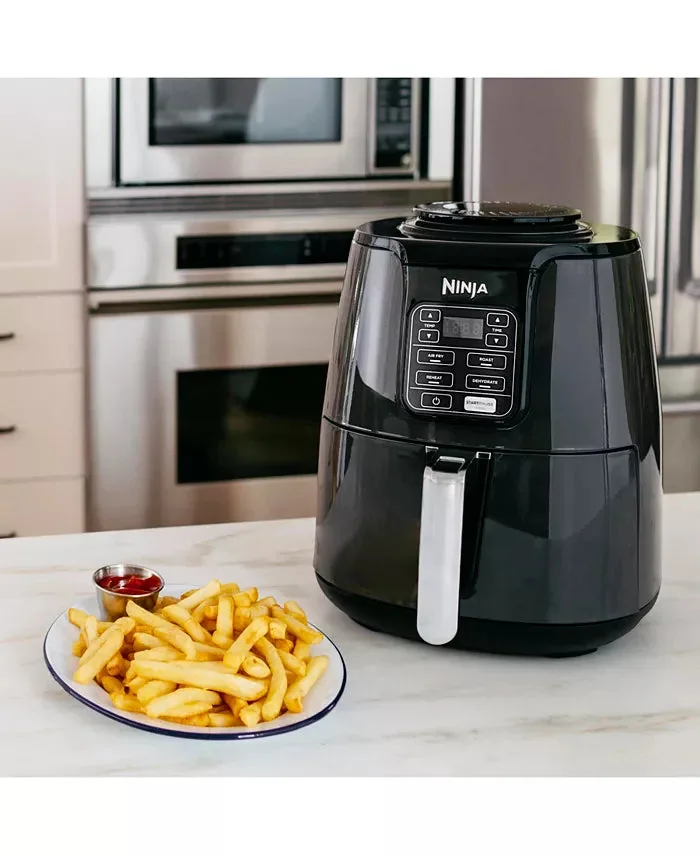
Ninja AF101 4‑Quart Air Fryer

Temperature controls browning and surface texture

Higher temperatures encourage faster browning and crisping because they dry the food surface more quickly. This can be helpful for frozen fries, wings, breaded foods, and vegetables that need color at the edges. High heat can also overdarken thin coatings, sugary sauces, or small pieces before the center is ready. If food is browning too fast, lower the temperature and give it more time rather than continuing at the same high setting. Lower temperatures are useful for reheating foods that could burn or dry out, gently warming leftovers, and cooking thicker items that need more time before a final crisping step. A practical approach for thick chicken pieces or dense vegetables is to cook at a moderate setting until nearly done, then raise the heat briefly for color if needed. This separates cooking the center from browning the outside, which is often easier than trying to do both at maximum heat.

Time changes with thickness and starting temperature

Thickness is one of the most useful clues for setting time. Thin pieces heat through quickly because heat has a short distance to travel. Thick pieces need longer for the center to cook, even when the outside looks done. A large chicken breast, a thick potato wedge, or a dense piece of fish should not be timed like a thin strip or small nugget. Cut food into similar-sized pieces when possible so everything finishes together. Starting temperature matters too. Food straight from the refrigerator usually needs more time than food that has been sitting out briefly during preparation, and frozen food often needs time to thaw at the surface before it can crisp. Do not rely only on color for foods that need to be fully cooked. Check the thickest part with a food thermometer when appropriate, then return the food to the basket for a short finishing period if the surface needs more browning.

Load size changes airflow and cooking speed

A small load has plenty of room for hot air to move around each piece, so it may brown faster than the same food in a full basket. A larger load holds more cold food and restricts airflow, which can slow cooking and create uneven color. Adding time can help, but simply extending the cook cycle will not fully solve a tightly packed basket. The pieces still need exposure to moving air. For loose foods such as fries, tater tots, chopped vegetables, and small breaded pieces, shake the basket partway through cooking. This moves pale pieces from the center or bottom toward the outside. Turn larger items with tongs so both sides brown. If the basket is crowded, divide the food into batches instead of expecting a single long cycle to make every piece crisp. The better arrangement usually produces a better result in less total frustration.

Use presets as starting points, then adjust

A preset is a saved time and temperature combination. It can save a few button presses, but it cannot account for the size of your portion, the thickness of the food, or how dark you like it. Use a preset for the first attempt, then check food before the cycle ends. Make a note of whether it needed less time, more time, a lower temperature, or a final high-heat finish. Soon, your own adjustments will be more useful than the preset label. For repeatable results, change one thing at a time. If fries are pale but cooked through, try a slightly hotter finish or spread them out more. If they are dark outside and firm inside, use a lower temperature or cut them smaller. If breading is dry and patchy, apply a light coating of oil before cooking. Small, deliberate changes show you whether the issue is heat, time, moisture, or airflow.

What this guide helps you understand

Set time and temperature based on the food's thickness, moisture, and arrangement, then use visual checks and turning to fine-tune the result.

For a new food or portion size, check it before the timer ends and adjust only one variable, time, temperature, or basket load, on the next attempt.

Technique notes

Wipe splattered grease from the basket, crisper plate, and heating area after the appliance cools. Residue can smoke at higher cooking temperatures.

Safety note: Use heat-safe tongs or mitts for hot baskets, trays, and food, and verify doneness with a food thermometer when cooking foods that require it.

More from Air Fryers

← Back to Air Fryers