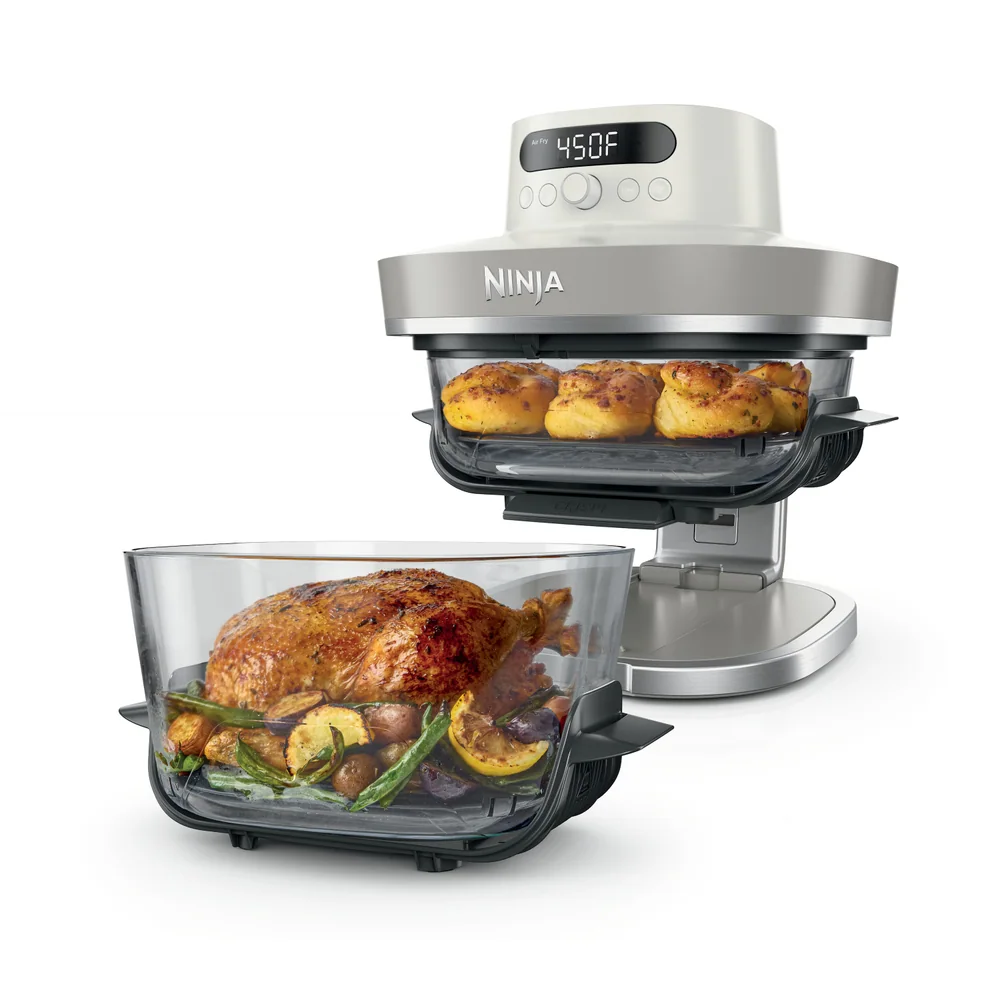
Dry wings, leave room around them, and finish with high heat so rendered fat can escape and the skin can brown.
Reading time: 8 minutesBest for: Home cooks making fresh or thawed chicken wings in a basket-style or oven-style air fryer
Dry the wings before seasoning
Pat fresh or fully thawed wings dry with paper towels before adding salt, dry seasoning, or a light coating of oil. Drying removes surface water that would otherwise turn to steam. This matters most around the folds of the skin and at the joint, where moisture can hide. If the wings were thawed in their package, drain away any collected liquid before drying them.
Use dry seasonings before cooking and save wet sauces for later. Salt, pepper, garlic powder, paprika, and similar dry ingredients can adhere to slightly tacky skin without creating a wet coating. If you use oil, apply only a thin amount. Wings already release fat as they cook, and too much added oil can drip into the lower pan, smoke, and leave the skin greasy rather than crisp.
Arrange wings with room for airflow
Place wings in a single layer with small gaps between pieces. They do not need to be widely spaced, but they should not be stacked or pressed into a dense pile. Air needs a path around the sides and underneath the wings. A crisper plate or rack helps by lifting the wings above the lower pan, where rendered fat and juices collect.
Cook in batches if the basket cannot hold the wings in one layer. A smaller batch may seem less efficient, but it usually produces better browning and avoids the need to keep cooking already-dark wings while the crowded pieces catch up. For oven-style units, use the rack position that leaves room above the wings and allows hot air to circulate around the tray.
Use temperature changes to render and crisp
Start at a moderate cooking temperature so the wings can heat through and begin releasing fat without scorching the skin. After the first stage, raise the temperature for the final portion of cooking. The hotter finish dries the skin and deepens browning once much of the surface moisture has cooked away. This two-stage approach is particularly helpful for larger wings.
Do not treat the temperature change as a substitute for checking the food. Small wings can brown early, while large drumettes may need more time at the first stage before they are ready for a hot finish. If the skin is darkening but the wings are not done, lower the temperature slightly and continue cooking. If the wings are done but need more crispness, use a short high-heat finish while watching closely.
Turn or shake for even browning
Turn wings about halfway through cooking with tongs. The side resting against the crisper plate receives less direct airflow, and turning exposes it to the hot circulating air. If the basket contains only a few wings, turning each one is more reliable than shaking. For a larger single layer, a gentle shake followed by repositioning can work well.
Add sauce after the wings are crisp when you want a crisp-skinned result. Tossing cooked wings in sauce will soften the exterior somewhat, especially with thick or sugary sauces. For a glazed finish, toss lightly, return the wings to the air fryer briefly, and watch them closely. Sugars can darken quickly and drips can burn on the hot lower pan. Check the thickest part of the meat for safe internal doneness before serving.
What this guide helps you understand
For crisp wings, remove surface moisture, cook in a single layer, render fat before the high-heat finish, and sauce only after the skin has browned.
Use wings that are fresh or fully thawed, then pat them dry before seasoning.
Keep wings in one layer with space for air to circulate around each piece.
Check the thickest meat near the bone for safe internal doneness with a food thermometer.
Technique notes
Separate whole wings into flats and drumettes if you want more even cooking.
Drain excess rendered fat from the lower pan only after the appliance has cooled enough to handle safely.
Safety note: Avoid washing raw chicken in the sink. Handle it with clean utensils, wash hands and food-contact surfaces afterward, and verify safe internal doneness before serving.