
Pickori

Category guide

How to Care for Air Fryer Baskets and Nonstick Parts

Regular gentle cleaning removes grease before it bakes on and helps nonstick air fryer parts stay easier to use.

Reading time: 9 minutesBest for: Air fryer owners who want to keep baskets, trays, and coated surfaces clean and usable
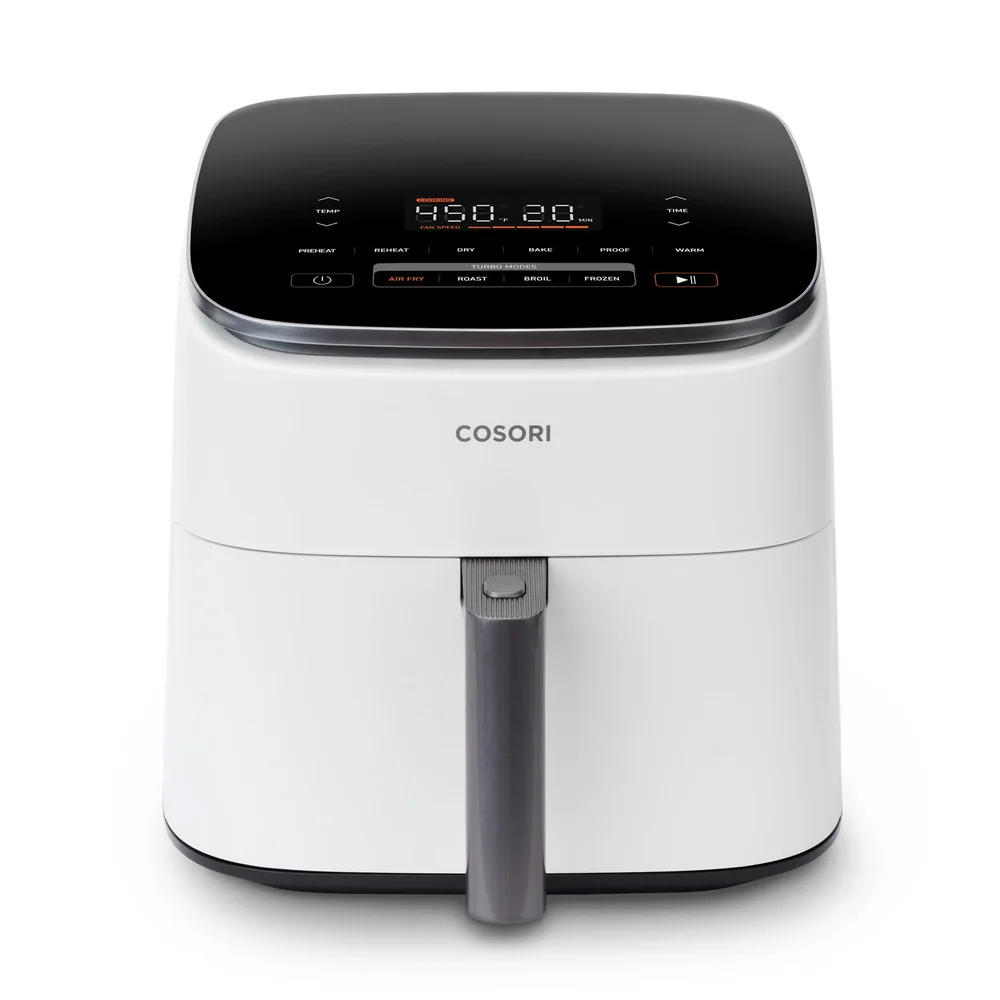
Cosori TurboBlaze Air Fryer

Clean after cooking before grease hardens

After cooking, unplug the air fryer and allow the basket, tray, or rack to cool until it can be handled safely. Remove loose crumbs first, then separate the crisper plate from the basket if your design allows it. This matters because grease and small food pieces often collect underneath the plate, where they can bake on during the next cooking cycle. Leaving residue in place can create smoke, odors, and stubborn cleanup later. For ordinary messes, wash the removable parts with warm water, mild dish soap, and a soft sponge or cloth. Let stuck food soak rather than trying to force it off. A short soak loosens residue while reducing the need for pressure that can scratch a coating. Dry parts thoroughly before reassembling the air fryer. Moisture trapped under a plate or in a drawer seam can leave odors and make the next cleanup less pleasant.

Use tools that protect nonstick coatings

Nonstick surfaces need gentle contact. Use a soft sponge, nylon brush, silicone utensil, or wooden utensil when removing food or cleaning a basket. Avoid metal forks, knives, steel wool, and abrasive scouring pads. Even small scratches can make a surface harder to clean, and rough tools can damage edges where a coating is more vulnerable. When food sticks, soaking and patient wiping are safer than scraping. Be careful with cooking accessories as well. A rack, skewer, or liner that shifts during cooking can rub against the basket. Use accessories made to fit the appliance and place them so they do not scrape the coating when the basket is shaken or removed. Do not cut food directly in the basket. Transfer it to a plate or cutting board first. This simple habit prevents accidental knife marks and keeps the cooking surface smoother for longer.

Remove baked-on grease without harsh scrubbing

Grease can form a sticky film that soap alone may not remove in one pass. Start by soaking the removable part in warm, soapy water, then wipe it with a soft sponge. For residue in corners or around the crisper plate's openings, use a soft brush that can reach the area without digging into the coating. Repeat the soak if needed. Several gentle cleaning passes are better than one aggressive attempt that leaves scratches. Do not use oven cleaner, harsh degreasers, or abrasive powders unless the appliance instructions specifically permit them. These products can be too strong for coated parts and may leave residue that is difficult to rinse from seams. If grease has collected in the main appliance body, wipe accessible surfaces with a damp cloth after the unit is unplugged and fully cool. Keep water away from electrical components, controls, heating elements, and vents. The main body is not a sink-safe part.

Maintain the heating area and prevent recurring messes

The basket is not the only place that needs attention. With the appliance unplugged and cool, inspect the area above the basket for splattered grease or crumbs. A soft, slightly damp cloth can remove light residue from accessible surfaces. Do not poke, scrape, or spray cleaner into the heating area. If buildup is allowed to remain, it can heat repeatedly and contribute to odors or smoke during later cooking. Preventive habits reduce the amount of cleaning needed. Avoid overfilling the basket, since crowded food can shed grease and crumbs without cooking evenly. Use only liners and accessories that are appropriate for the appliance, and do not let them block airflow. Wipe spills promptly after the unit cools. If a nonstick surface begins peeling, flaking, or becoming difficult to clean despite gentle care, stop treating it as a normal cleanup issue and consult the appliance instructions for the appropriate next step.

What this guide helps you understand

Protect nonstick air fryer parts by cleaning grease early, using soft tools, and keeping residue out of the basket, crisper plate, and heating area.

After cooking greasy foods, remove the crisper plate and check underneath it for trapped crumbs and oil before storing the appliance.

Technique notes

A soft brush is especially useful for cleaning around basket openings and rack edges without relying on abrasive pads.

Safety note: Unplug the air fryer and let it cool fully before cleaning, and never immerse the main appliance body in water.

More from Air Fryers

← Back to Air Fryers