
Pickori

Troubleshooting

Why Air Fryer Food Turns Soft and How to Get It Crisp

Crisp air fryer food depends on exposed surfaces, controlled moisture, and enough time for hot air to brown the outside without overcooking the center.

Reading time: 8 minutesBest for: New air fryer owners trying to improve browning and crispness on everyday foods
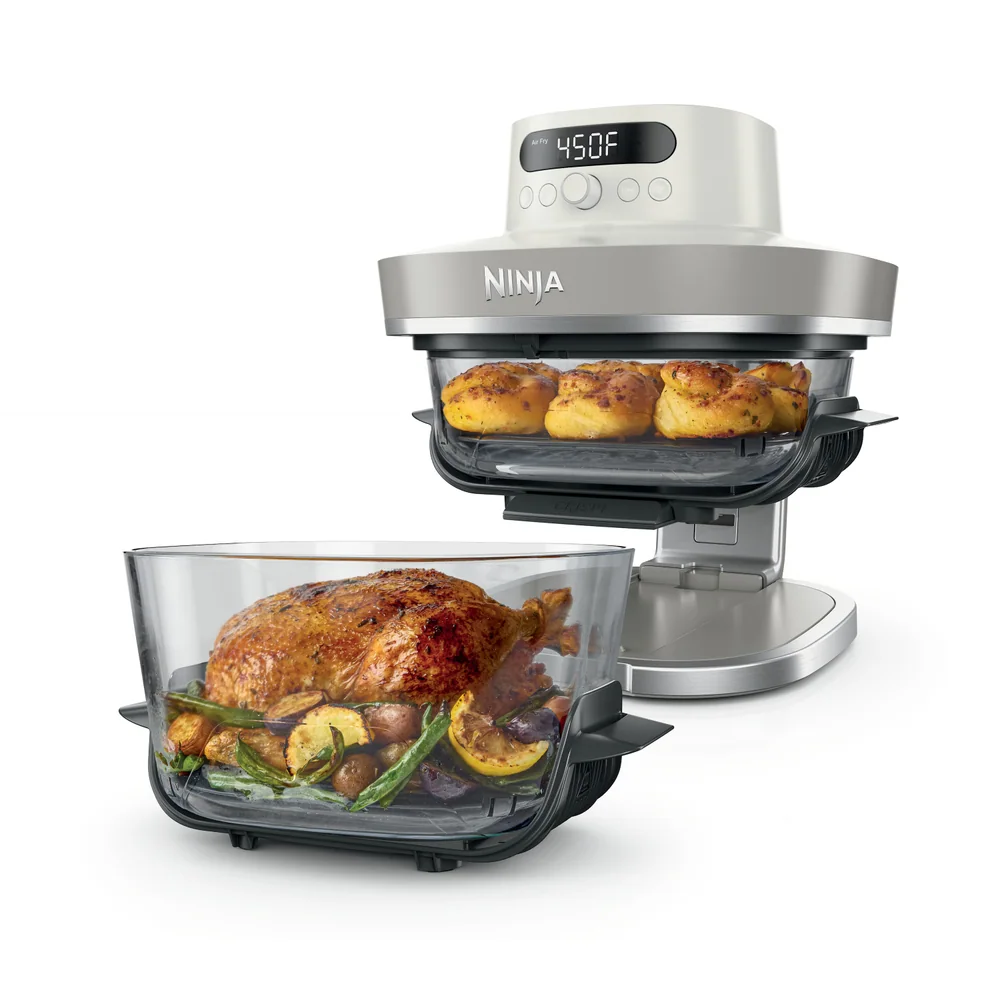
Ninja Crispi Glass Air Fryer

Why moving hot air creates browning

The fan in an air fryer moves hot air around food more actively than still oven air. As the surface dries, it can brown and become firmer. Browning is strongest where hot air can reach directly, which is why perforated crisper plates and open racks are useful. Food that starts with a dry exterior, such as frozen fries or lightly oiled vegetables, generally responds better than food coated in a wet batter. Crispness is not just about heat. The food needs time for surface moisture to leave without the outside scorching. Thick pieces may need a moderate cooking stage to heat through, followed by a hotter finish for browning. If the exterior darkens before the center is ready, lower the temperature and extend the time. If the food is cooked through but pale, a short hotter finish can help.

How overcrowding traps steam

When a basket is filled to the rim, food releases moisture into a small enclosed space. Pieces touching one another shield their surfaces from airflow, and the moisture turns into steam. Steam cooks food, but it does not create the dry exterior associated with crisp fries, browned wings, or crunchy breading. Adding more time to an overcrowded basket can dry out exposed pieces while the crowded areas remain soft. Use the basket's flat area as the guide, not its total depth. A loose layer is best for foods that need maximum crispness. Some overlap is workable for sturdy foods such as vegetables or wings if you shake and rearrange them, but a dense pile needs batches. Cooking two smaller batches often produces better texture and can be faster than repeatedly extending one crowded batch.

Use a single layer when possible

A single layer means most pieces have open space around their top and sides, with air able to circulate beneath them through the crisper plate or rack. It does not require every piece to be perfectly separated, but it does mean avoiding a solid mound. Spread fries, nuggets, vegetables, and breaded foods across the available surface. For larger pieces, leave a little room between them rather than pressing them together. If you need to cook more food, use a second batch or choose an appliance with a wider usable cooking area. Do not stack food on a solid liner that blocks the basket perforations. If you use a liner designed for the appliance, keep it small enough to leave airflow paths open and never place it in the basket during preheating without food weighing it down. Loose paper can lift toward the heating area.

When to shake, turn, or rotate food

Shaking works best for loose, small foods such as fries, tots, diced vegetables, and popcorn chicken. Shake after the first portion of cooking time, then again if the batch is large or browning unevenly. The goal is to move pale pieces into more exposed positions. Pull the basket out carefully, shake it over the lower pan, and return it promptly so the cooking chamber does not lose heat for long. Turn larger or delicate foods instead of shaking them. Chicken pieces, fish fillets, stuffed foods, and breaded cutlets can break apart or lose coating if tossed aggressively. Use tongs or a thin spatula to turn them once the underside has set. In an oven-style air fryer, rotate trays or switch rack positions when food is cooking on more than one level. Check early near the end because smaller pieces can brown quickly.

What this guide helps you understand

For crisp results, treat the air fryer basket as a cooking surface rather than a storage bin. Keep food reasonably open, manage wet ingredients, and move pieces during cooking so hot air can reach more of the exterior.

Leave enough open space around food for air to circulate, and plan on batches when a single layer will not fit.

Technique notes

Presets are starting points. Portion size, food thickness, moisture, and basket loading can change the needed time.

Safety note: Use utensils that will not damage the basket coating, and handle the hot basket, tray, and escaping steam carefully.

More air fryers help

← Back to Air Fryers