Grind size in plain English: surface area and extraction
Extraction is what happens when water dissolves soluble compounds from coffee grounds. Finer grinds expose more surface area, so water pulls flavor faster. Coarser grinds slow extraction because water has less surface area to work on and has to travel farther into each particle. This is why the same coffee can taste sour at one grind and bitter at another, even if you keep the water temperature and recipe the same.
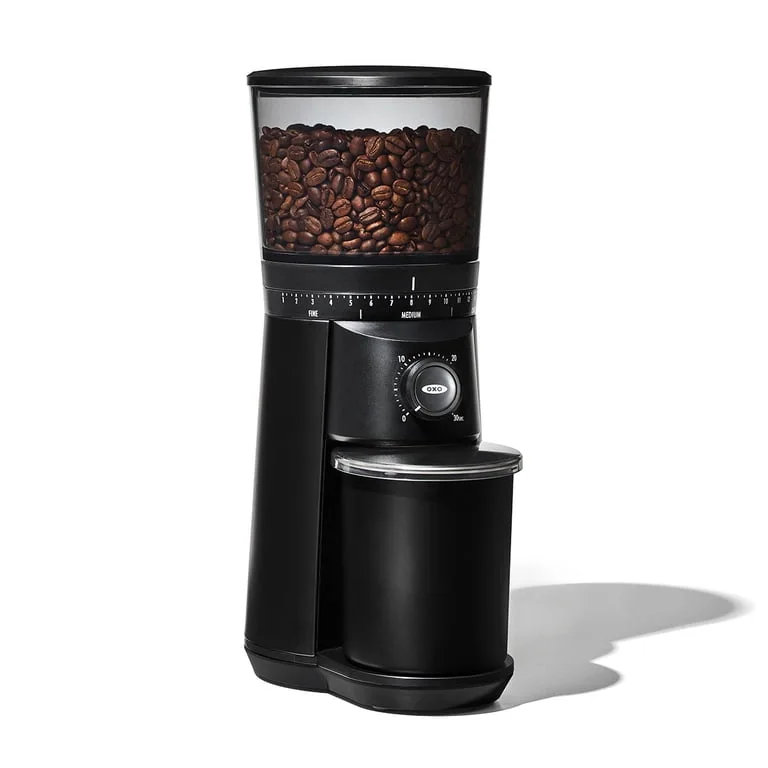
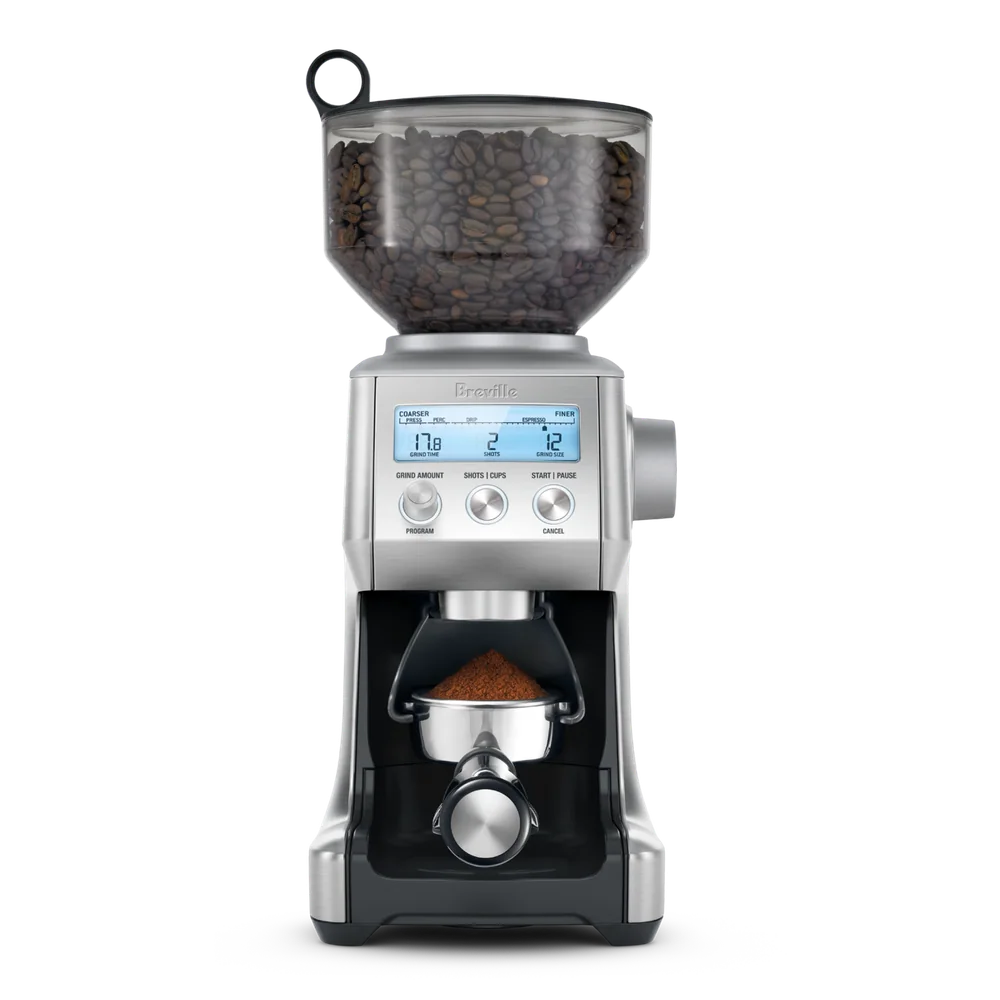
Uniformity matters as much as -fine vs coarse.- If your grinder produces lots of fines (dust) along with larger pieces, the fines can over extract and add bitterness and dryness, while the larger pieces under extract and add sourness and thinness. Burr grinders usually produce a tighter particle range than blade grinders, which is why burr grinders make dialing in easier and more repeatable.
Starting points for drip, pour over, French press, moka pot, cold brew, and espresso
Start with the brew method’s contact time, meaning how long water stays in contact with coffee. Short contact times need finer grinds to extract enough flavor quickly. Long contact times need coarser grinds so the coffee does not over extract. As a practical mental picture: espresso is powdery and clumps a bit, drip is like sand, French press is like coarse sea salt, and cold brew is closer to cracked pepper.
Use these as starting points, then adjust: Drip machine: medium, aim for a normal brew time and a balanced cup. Pour over: medium to medium fine, adjust to hit your target drawdown time without stalling. French press: coarse, minimize fines to reduce sludge. Moka pot: medium fine, finer than drip but not espresso fine. Cold brew: very coarse, fewer fines for a cleaner concentrate. Espresso: very fine with small adjustment steps, because tiny changes can swing shot time and taste.
How to adjust when coffee tastes sour, bitter, weak, or muddy
Sour usually points to under extraction. Common fixes are grinding finer, increasing brew time, or using a slightly higher dose (more coffee) if your method allows it. Bitter and harsh often point to over extraction. Common fixes are grinding coarser, shortening brew time, or using a slightly lower dose. Weak can mean under extraction, too little coffee, or too much water. Start by checking your ratio (coffee to water) before you chase grind.
Muddy, silty, or gritty cups usually come from too many fines for the method, especially in French press and cold brew. Grinding coarser can help, but the bigger improvement is reducing fines: use a burr grinder if possible, avoid overfilling and shaking a blade grinder, and consider sifting or better filtering if your setup allows it. Also watch for static cling that makes fines stick everywhere, because that mess often signals a lot of tiny particles.
A simple log that makes dialing in repeatable
A log turns -I changed something- into -I know what worked.- Keep it simple: coffee name and roast level, dose (grams of coffee), water (grams), grind setting number, brew time, and a one line taste note. If you can only track three things, track dose, grind setting, and brew time. Those three usually explain most changes in the cup.
Make one change at a time. If a pour over is sour and fast, grind finer first and keep dose and pouring style the same. If it is bitter and slow, grind coarser first. For espresso, write down dose, yield (grams of liquid espresso), and shot time, plus the grind setting. This lets you return to a -known good- setting when you switch beans or after cleaning.