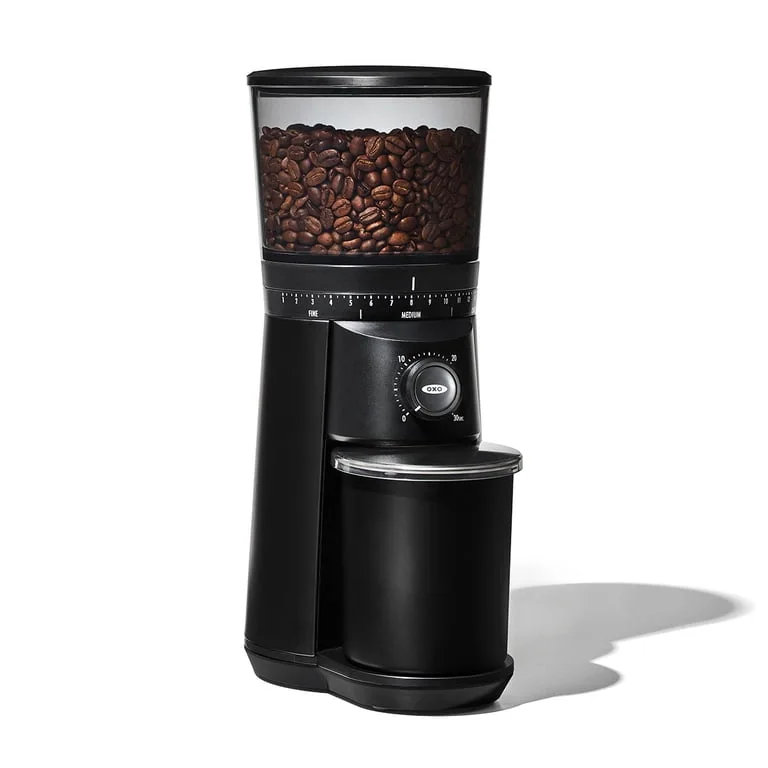
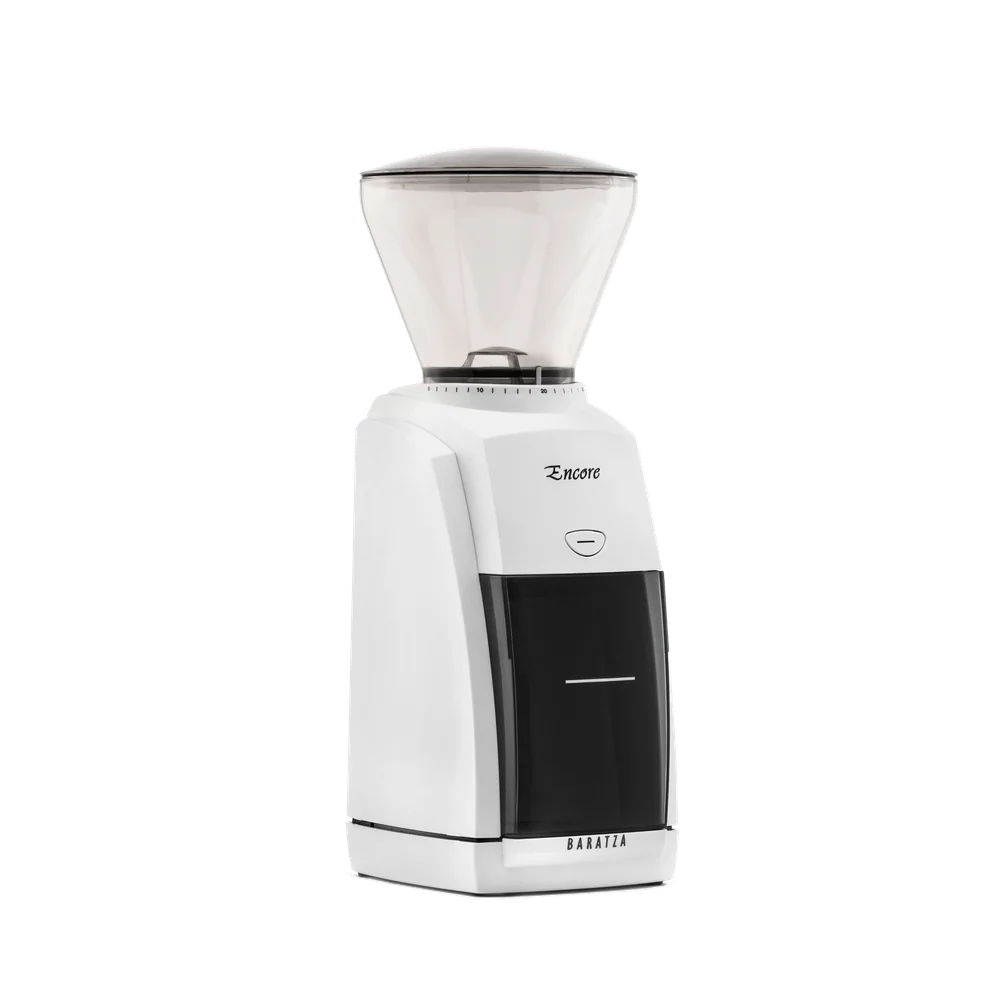
Coffee Grinders keep coffee from tasting sour or bitter due to uneven grind
Uneven grind is the root of a lot of -mystery- flavor problems. When a grinder makes a mix of boulders and dust, the dust extracts fast and can taste harsh and bitter, while the boulders extract slowly and can taste sour and thin. A more consistent grind narrows that spread, so your recipe changes do what you expect: a slightly finer setting slows a pour over and tastes sweeter, instead of randomly swinging between sharp and muddy. This is why brew method matters. Espresso needs very fine particles and small adjustment steps because tiny changes in burr gap can swing shot time and taste. French press and cold brew need a coarse grind with fewer dusty fines so the drink stays clean instead of silty. Drip and pour over sit in the middle, where consistency still matters but you can live with a wider range of settings, especially if your workflow is simple and repeatable.
Retention and dosing style decide how -fresh- your next cup really is
Retention is how much ground coffee stays inside the grinder after you grind. That trapped coffee goes stale quickly, and it can show up as a dull, papery note in the next brew, even if your beans are fresh. Retention also makes dialing in harder because you are never tasting exactly what you just changed. If you adjust finer, part of your dose may still be the older, coarser grind sitting in the chute or burr chamber. Dosing style is the habit that either hides or exposes retention. Hopper grinding means you store beans in a hopper and grind by time or by a built-in dose. It is convenient, but if beans sit for weeks they lose aroma and taste flatter, and the grinder’s retained grounds keep mixing into the next cup. Single dosing means you weigh beans per brew and grind that amount. It reduces staleness and makes switching beans easy, but it can be slower and sometimes messier because you are handling beans and grounds more often.
Static control and mess management determine whether you dread cleanup
Static is the cling that makes grounds stick to the chute, cup, lid, and counter, especially in dry air. It is not just annoying, it changes your dose. If grounds cling inside the chute, your brewed coffee can taste weaker because less coffee made it into the filter. Then later, a clump falls out and your next dose is heavier than you intended. That is how -my recipe was the same- turns into -my cup was different.- -Anti-static- claims need context. Some grinders reduce cling with better chute materials, ionizers, or a design that keeps grounds moving, but none of that fixes a poorly shaped exit path that sprays coffee sideways. Light roasts can also create more static because they are drier and harder, and dry winter air makes everything worse. In real ownership terms, look for a grinder that pairs well with a dosing cup or grounds bin that fits the chute closely, and expect that a quick wipe around the grinder is normal even with good static control.
Cleaning access and noise shape long-term satisfaction
Coffee oils and fine dust build up where you cannot see them: the burr chamber (where the burrs sit) and the chute (where grounds exit). Over time, those oils oxidize and smell stale, and that stale smell becomes a stale taste in the cup. -Easy to clean- often means the hopper comes off, but that does not guarantee you can reach the burr chamber and chute without a full teardown. If you cannot access those areas, you will clean less often, and flavor will slowly drift downward until you start chasing problems with grind settings. Noise is another ownership detail that rarely shows up in specs but matters immediately. Electric burr grinders can be loud and sharp sounding, especially with harder, lighter roasts that take more force to crush. Manual burr grinders are quieter and travel-friendly, but grinding for espresso can be slow and physically demanding, and small capacity means multiple loads for larger brews. A built-in grinder in a coffee machine can be convenient, but it often gives you fewer adjustment steps and fewer cleaning options, so you trade control and maintenance access for one-touch workflow.
What this guide helps you understand
Pick a grinder based on the parts you live with daily: retention, static, dosing workflow, noise, and real access for cleaning.
Before you buy, picture your morning routine and confirm the grinder supports it: single dose or hopper, a bin or dosing cup that fits the chute, and a way to access the burr chamber and chute for cleaning.