What makes beans go stale: air, heat, light, time
Staling is mostly about exposure. Oxygen reacts with flavorful compounds, and the coffee loses aroma and sweetness over time. Heat speeds up those reactions, and light can also degrade flavor. Time is the multiplier: even with decent storage, coffee changes week by week. You cannot stop it, but you can slow it down enough that your grind setting and taste stay more stable.
Staling shows up in the grinder too. Fresher beans tend to fracture more predictably, while older beans can grind in a way that feels less consistent. You may notice more fines, more static cling, or a cup that tastes dull even when your recipe is unchanged. If you are constantly adjusting grind to -fix- a flat cup, storage is often part of the problem.
Hopper storage vs container storage
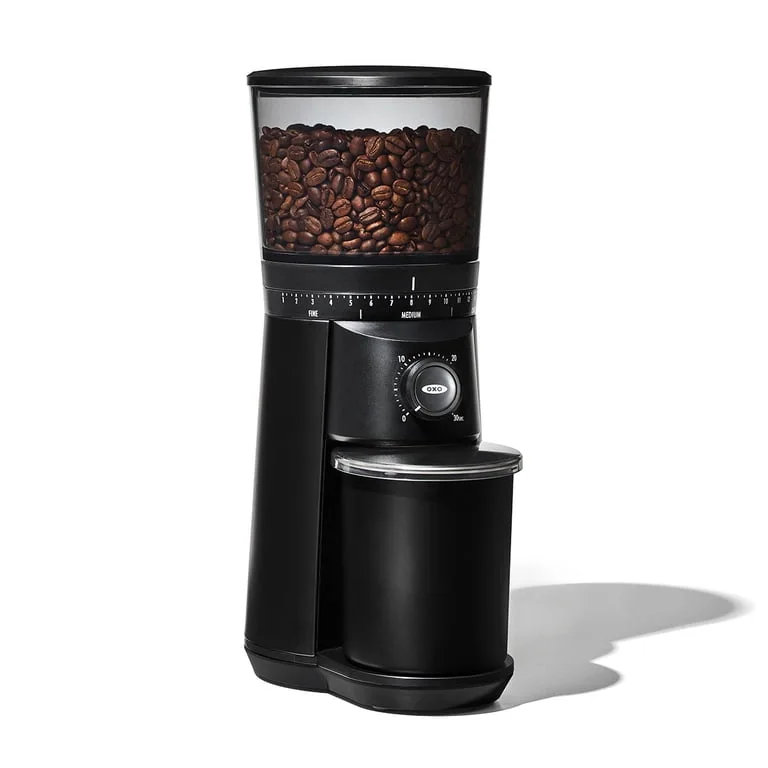
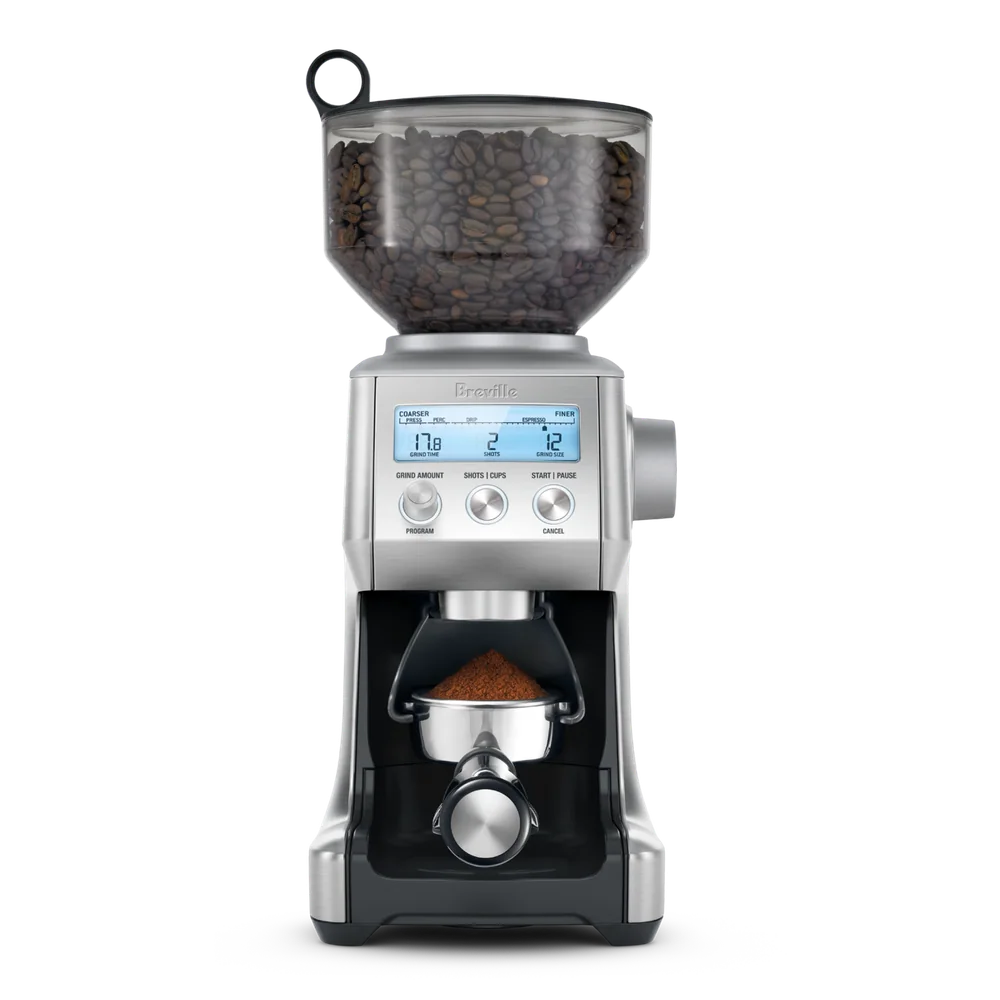
A hopper is convenient, but it is not ideal for long storage. Beans in a hopper are exposed to more air each time you open the lid, and they sit close to a motor that can warm the area during use. Hoppers also collect oils and fines, which can transfer stale flavors back onto fresh beans. If you brew daily and refill often, hopper storage can be fine. If you brew less often, it usually leads to flatter coffee and a messier grinder.
Container storage means keeping most beans in a separate container and only loading what you plan to grind soon. This supports single dosing (weighing beans per brew) or short term hopper fills. It also makes it easier to switch coffees without mixing old and new beans. The practical benefit is repeatability: when the beans are in a similar condition each morning, your grind setting behaves more predictably.
Dark roasts and oil: what it does to grinders
Dark roasts often show visible surface oil. That oil can coat the hopper and burr area, and it grabs onto fines like dust sticking to tape. Over time, the buildup narrows pathways in the chute and increases retention (grounds left inside after grinding). That can make your next dose taste like a blend of fresh and stale coffee, and it can make the grinder seem inconsistent even when the burrs are fine.
If you like dark roasts, plan on more frequent cleaning and avoid leaving beans sitting in the hopper for long stretches. Wipe the hopper periodically and keep an eye on the chute area for sticky residue. Also expect that very oily beans can feed less smoothly, which can change how the grinder sounds and how evenly it doses. Those are ownership realities, not a sign that you did something wrong.
How much to buy and when to grind
Buy an amount you can finish while it still tastes lively to you. If you only brew a few cups a week, smaller purchases keep you from fighting staling. If you brew daily, you can buy more, but still avoid letting a bag sit open on the counter. The key is matching purchase size to your pace so your grinder is working with beans that behave similarly from start to finish.
Grind close to brewing. Ground coffee has far more surface area than whole beans, so it stales much faster. If you grind ahead for convenience, expect a noticeable drop in aroma and clarity, especially for pour over. A good compromise is to pre weigh whole bean doses into small containers, then grind right before brewing. That keeps mornings easy without sacrificing what your grinder can deliver.