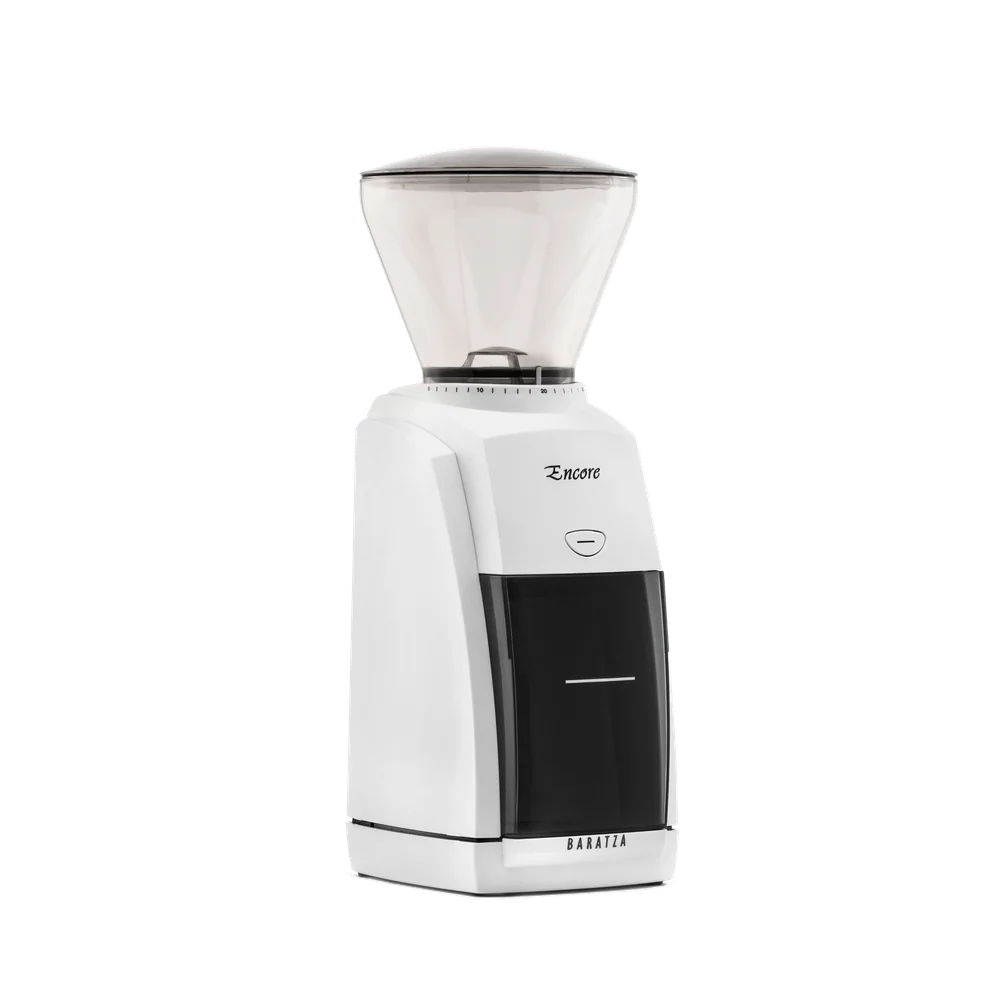
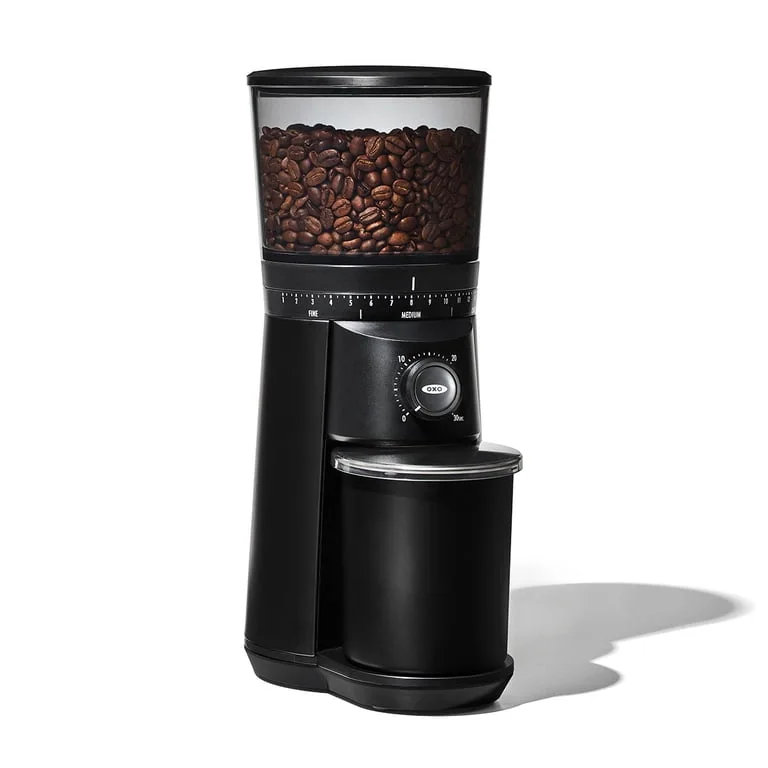
Why pour over is sensitive to fines
Fines are tiny particles that extract quickly and move easily. In pour over, water flow is driven by gravity, so anything that blocks the filter slows the whole brew. As you pour, fines can wash to the bottom of the coffee bed and form a dense layer against the paper. That layer acts like a plug, making the last half of the brew crawl. The longer contact time can pull more bitterness and astringency from the coffee.
Clogging is not the only problem. Even when drawdown time looks acceptable, a high fines percentage can blur flavors. You might taste less separation between sweetness, acidity, and bitterness, like everything is muted and -brown.- If your cup tastes harsh but also oddly thin, that is often uneven extraction: boulders (large pieces) under extract while fines over extract. Better grind consistency reduces both problems at once.
Matching grind to dripper style and filter
Different drippers create different resistance. Flat bottom brewers and wave style filters often flow differently than cone drippers because the coffee bed shape and filter contact area change how water moves. A dripper that naturally drains fast can tolerate a slightly finer grind. A dripper that already has higher resistance may need a coarser grind to avoid stalling, especially with a thick paper filter.
Use your drawdown as feedback, but tie it to taste. If the brew runs fast and tastes sour or watery, go a little finer or increase your dose slightly. If it runs slow and tastes bitter, dry, or roasty, go a little coarser. Make one change at a time and keep your pour pattern similar. Tiny adjustments matter more than big swings, especially if your grinder has small steps.
Fixing stalled brews and hollow cups
For stalled brews, first look for fines and clogging. If your grinder is producing a lot of dust, going coarser can help, but it can also make the cup hollow if you go too far. A better fix is often to reduce agitation. Heavy swirling, aggressive stirring, or a hard center pour can push fines down and pack the bed. Try a gentler swirl only at the end, or skip stirring entirely and see if drawdown improves.
For hollow cups, the grind is often too coarse or the brew is channeling (water finding easy paths through the bed). Channeling can happen when the bed is uneven or when you pour in a way that digs a crater. Level the bed after the bloom with a light swirl, then pour in steady circles that keep the bed flat. If the cup is still hollow, go slightly finer and keep everything else the same so you can feel the difference.
Consistency habits: dose, agitation, and grind setting
Consistency starts before you grind. Weigh your dose so you are not changing the coffee bed depth every day. A deeper bed usually drains slower and extracts more, even at the same grind. If you change dose often, you will chase grind settings constantly. Also pay attention to retention (old grounds left inside the grinder). Purging a small amount before brewing can help keep today’s cup from tasting like yesterday’s coffee.
Lock in a repeatable workflow. Use the same bloom time, similar pour height, and similar agitation each brew. When you adjust grind, write down the setting and what changed in taste and drawdown. If your grinder has stepped adjustments (clicks), move one click at a time. If it is stepless, make very small turns and mark your collar so you can return to a known point. Repeatability is what makes improvements stick.