
Pickori

Category guide

Coffee grinders explained: burr vs blade and what changes in the cup

Burr and blade grinders break coffee beans in very different ways, and that difference shows up in flavor, repeatability, and mess.

Reading time: 9 minutesBest for: People choosing their first serious grinder or upgrading from a blade grinder and wanting to understand what changes in the cup.
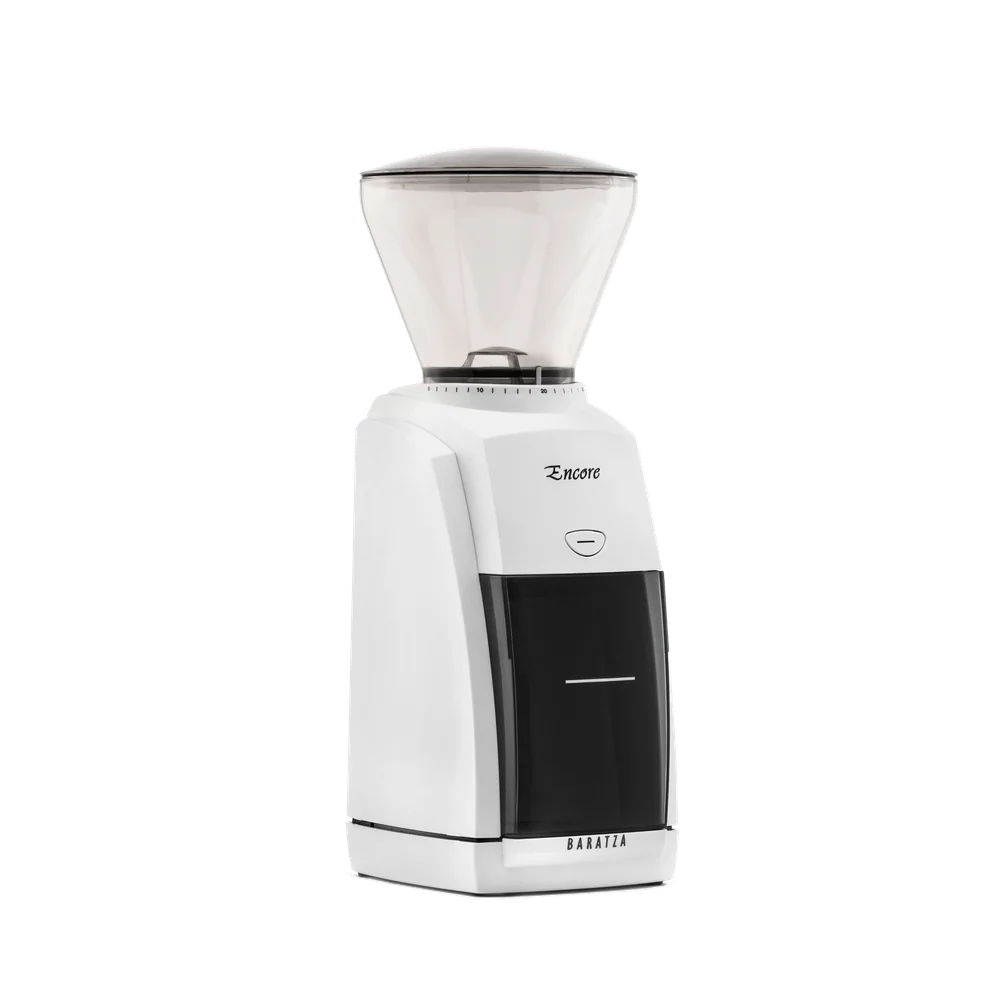
Baratza Encore Coffee Grinder

What a grinder actually changes: particle size and extraction

Coffee brewing is extraction, meaning water dissolves and carries away compounds from the grounds. Smaller particles extract faster because they have more surface area. Larger particles extract slower because water has to work its way into the piece. If your grind is uneven, you are forcing one brew to do two jobs at once: pull enough from the big pieces without overdoing the dust. That is why uneven grinding often tastes both sour and bitter in the same cup. Consistency is what makes recipes repeatable. If you change grind size and the grinder responds predictably, you can dial in a pour over, then make it again tomorrow. If the grinder produces a different mix each time, you end up chasing your tail by changing dose, water, and time to compensate. This is also why espresso is so demanding: it is brewed under pressure and in a short time, so small grind changes have big effects on flow and taste.
Burr vs blade: how they break beans and what that means

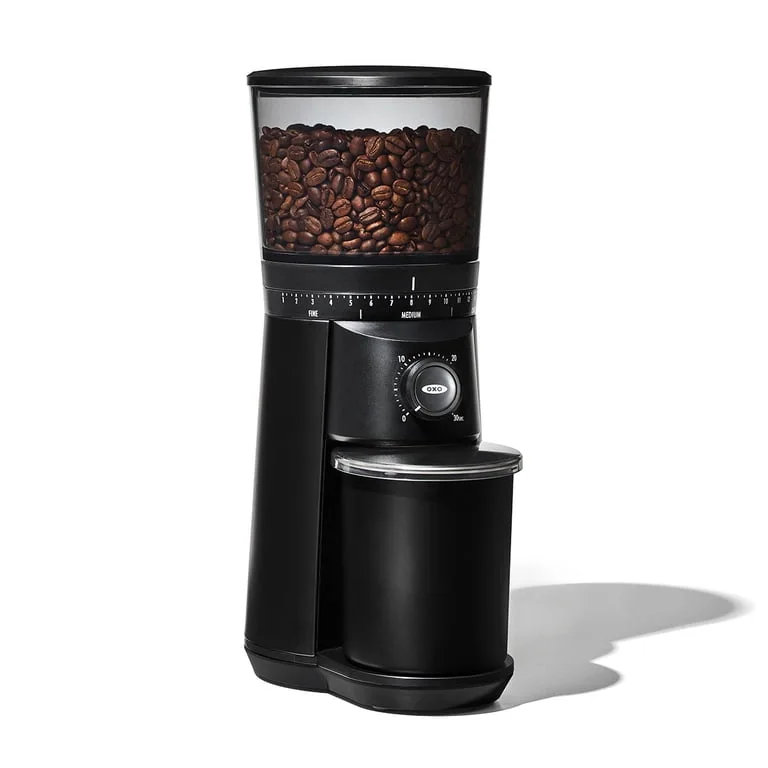
A burr grinder uses two burrs, meaning shaped cutting surfaces, to crush beans through a controlled gap. You set the gap, and the grinder aims to produce particles around that size. It will never be perfectly uniform, but a good burr grinder narrows the spread so you get fewer boulders and fewer dusty fines. That tighter spread is what makes burr grinders easier to dial in for drip, pour over, and espresso. A blade grinder uses a spinning blade that chops beans like a tiny food processor. The longer you run it, the more dust you create, but you still keep some big chunks because pieces bounce around and get hit unevenly. You can improve results a little by pulsing and shaking, but you are still working around the design. Blade grinders can be fine for casual use, but they make it hard to repeat a recipe and they tend to produce muddy French press and unpredictable espresso.

Matching grinder type to brew method and tolerance for fuss

Espresso needs very fine grounds and very small adjustment steps. Many grinders can grind fine enough, but if the steps are too large you will bounce between -too fast and sour- and -too slow and bitter- with no comfortable middle. For espresso, also pay attention to retention because old grounds left inside can throw off your dose and flavor when you are making tiny changes. For French press and cold brew, the goal is coarse grounds with fewer fines so the drink tastes clean instead of silty. A grinder that goes coarse but still makes lots of dust can leave a gritty cup and a sludgy filter. Drip and pour over sit in the middle: consistency still matters, but you can live with larger steps. Manual burr grinders can be great for one to two cups and quiet kitchens, while electric burr grinders fit higher volume and faster mornings.

Mess, static, and retention: the ownership details that decide happiness

Static is the cling that makes grounds stick to the chute, catch cup, and counter, especially in dry air or with very light roasts. -Anti-static- features can help, but chute shape and how grounds exit matter just as much. A narrow chute that traps grounds tends to spray and clump. A catch cup that fits well and a workflow that keeps grounds contained can matter more than a fancy label. Retention is the amount of ground coffee that stays inside after you grind. High retention can make today’s cup taste like yesterday’s beans and makes dialing in harder because your dose is not what you think it is. Hopper grinding (storing beans in a top hopper) is convenient, but beans stale faster when exposed to air and light. Single dosing (weighing beans per brew) keeps beans fresher and makes switching coffees easy, but it can be slower and sometimes messier.

What this guide helps you understand

Choose a grinder based on grind consistency and adjustment control for your brew method, then decide whether you prefer hopper convenience or single-dose freshness and lower retention.

Before buying, write down your main brew method (espresso, drip, pour over, French press, cold brew) and confirm the grinder’s adjustment range and step size match it, especially if you plan to make espresso.

Products that fit this category guide

As an Amazon Associate I earn from qualifying purchases.

Technique notes

Plan a simple cleanup routine. Brush out the exit chute and burr area regularly so oils and fines do not build up and make coffee taste stale.

Safety note: Unplug electric grinders before cleaning inside the burr chamber, and keep fingers and utensils away from the burrs and chute while the grinder is connected to power.

More from Coffee Grinders

← Back to Coffee Grinders