How Much Does Vacuum Weight Really Matter for Everyday Use
Published
Total weight on a spec sheet tells you almost nothing about how a vacuum feels in your hand after two minutes on the stairs.
Pick up a cordless vacuum in a store and it feels fine. Hold it over your head for ninety seconds while you clean a curtain rod or a stairwell, and a very different picture shows up. That gap between showroom weight and real-use weight is where a lot of buyers get surprised. Weight distribution, not just total ounces, decides whether a vacuum tires your arm out. Two models can weigh the same on a scale and feel completely different once you're reaching up or holding the wand at an angle for more than a few seconds.
Reading time: 9 minutesBest for: Anyone who cleans stairs, blinds, curtains, or car interiors regularly
Where the weight actually sits
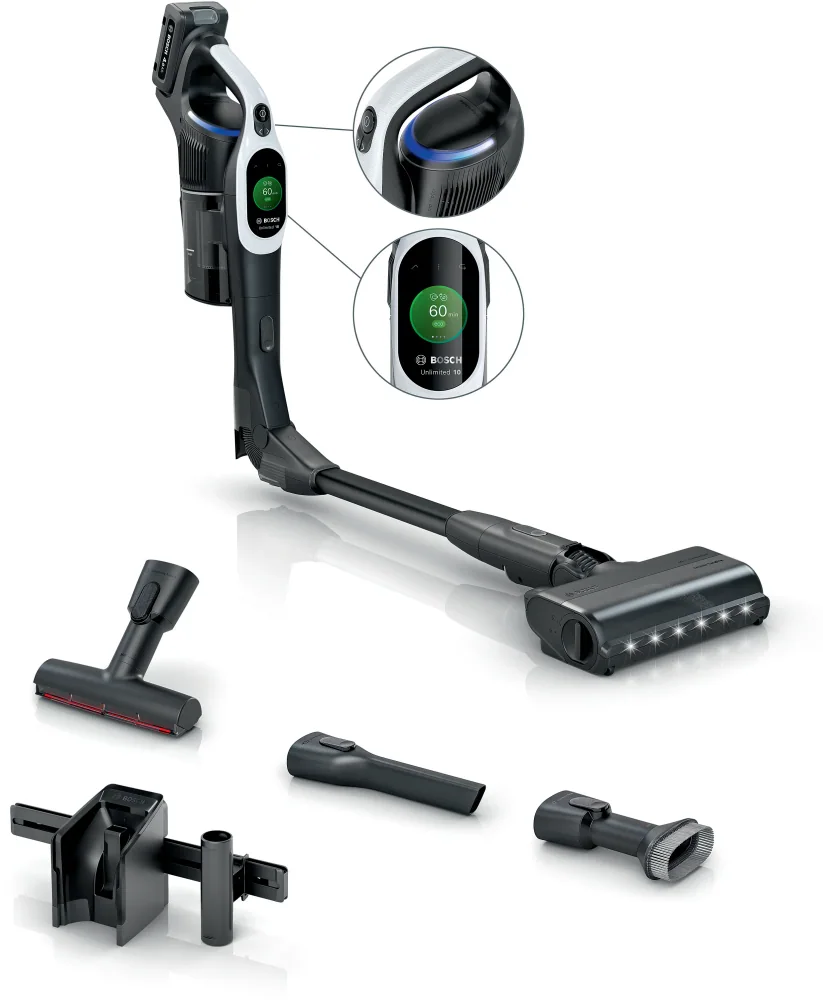
Most cordless vacuums put the motor and battery near the handle, which is the heaviest part of the unit. That's good for pushing across a floor, since the weight rides close to your grip and the wand stays light. It's not so good overhead, because now that dense end is the part farthest from your shoulder, and your wrist has to fight the leverage the whole time.
This is why two vacuums with identical listed weights can feel totally different in your hand. A model with a longer, thinner wand and a compact head puts less strain on your arm during overhead work than a bottom-heavy design with a bulky motorized head, even if the total weight is nearly the same. If you clean stairs or blinds often, ask about balance, not just the number on the box.
Why overhead time is the real test
Floor cleaning rarely tires anyone out. You're holding the vacuum near waist height with your arm relaxed, and even a heavier unit feels manageable for the few minutes it takes to do a room. Stairs and overhead spots are different: you're holding the wand out and up, often at an angle, with your arm doing isometric work instead of just pushing forward.
A vacuum that feels perfectly fine on carpet can turn into a genuine chore on a staircase, especially if you have more than a few steps or high ceilings to reach. If your home has stairs you vacuum weekly, or you regularly do overhead dusting with the extension wand, test that motion specifically before you commit, not just the flat-floor push.
The lightweight tradeoff nobody mentions
Lighter vacuums usually get there by using a smaller battery, which means less runtime, or a less powerful motor, which means weaker suction on carpet. That's a reasonable trade if you have hard floors and light cleaning needs, but it's a bad trade if you're hoping a feather-light vacuum will also deep clean a rug. Weight and power are connected, not separate decisions.
This is where the 2-in-1 stick and handheld style earns its keep. The full stick body handles the heavier floor work where weight matters less, and the detached handheld unit, which is much lighter on its own, takes over for stairs, upholstery, and car interiors where overhead comfort matters most. You're not asking one weight profile to do every job.
What to check before buying
Don't rely on the total weight number alone. Ask or check whether the battery and motor sit in the handle, the wand, or the floor head, since that tells you where the mass concentrates and how it'll feel in different positions. If a listing mentions a detachable handheld mode, that's often the more honest answer for households with a lot of overhead or stair work.
If you can, hold a similar model in a store and mimic the actual motion you'll use most: reaching up to a curtain rod, angling toward a step, or crouching under furniture. A vacuum that feels fine standing straight up can feel very different once your wrist is doing the work instead of your whole arm.
What this guide helps you understand
Match the vacuum's weight distribution to the cleaning motions you actually do, not just its total weight.
Check where the battery and motor sit on the unit, not just the total weight listed
Test or research overhead handling separately from flat-floor handling
Technique notes
A vacuum that feels light in a store can feel heavy after two minutes held overhead
2-in-1 designs let you use a heavier body for floors and a lighter handheld for stairs and upholstery