
Pickori

Use-Case Guide

How to Get the Best Results on Area Rugs and Carpet

Carpet and area rugs ask more of a cordless vacuum than hard floors do, and knowing how to adjust technique and settings makes a real difference in what actually comes up.

Hardwood is forgiving. Carpet is not. A cordless vacuum that glides effortlessly across a kitchen floor can suddenly feel underpowered the moment it hits a thick area rug, because carpet fibers trap dirt deep below the surface where light suction never reaches. Getting good results on carpet isn't just about buying a stronger motor. It's about matching the roller brush to the job, using the right power setting, and slowing down enough to let the machine actually do its work instead of skimming the surface.

Reading time: 8 minutesBest for: Households with area rugs or wall-to-wall carpet who want more than a surface pass
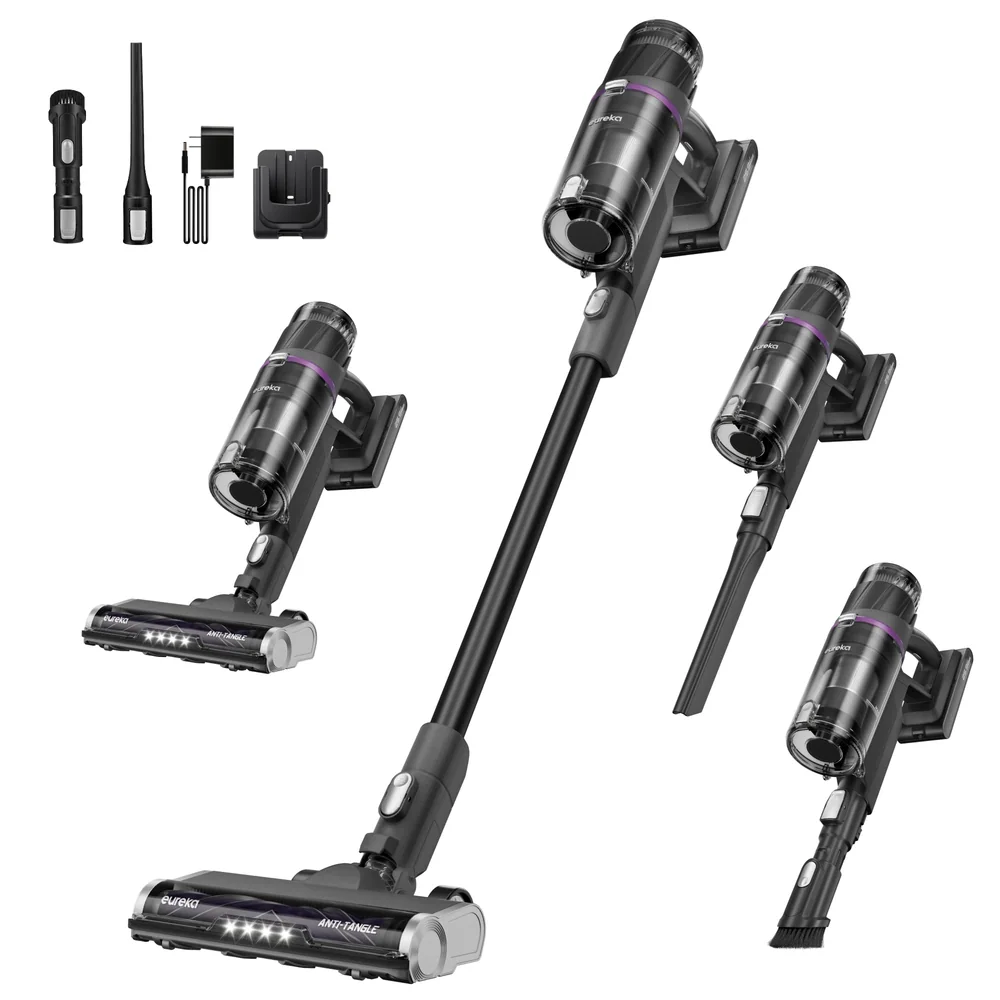
Eureka ReactiSense 440

Choosing the right roller brush

A motorized roller with stiff bristles is what actually agitates carpet fibers enough to pull embedded dirt to the surface. A soft roller designed for hardwood will glide right over the top of carpet without disturbing much of anything, which is why the same vacuum can feel great in one room and disappointing in another if it's using the wrong head.

If your vacuum came with swappable heads, check which one is attached before assuming the machine itself is underpowered. A lot of frustration with carpet performance actually traces back to someone cleaning wall-to-wall carpet with the hardwood-tuned soft roller left on from the last room.

Adjusting suction power for carpet

Carpet needs more suction than hard floors because dirt sits below the surface rather than resting on top of it. Running on a low or eco power mode might be fine for a quick pass on tile, but on carpet it usually just polishes the top fibers while leaving ground-in dirt untouched.

The trade-off is battery life: high power on carpet will drain the battery noticeably faster than the same time spent on hardwood. Plan carpet-heavy cleaning sessions first, while the battery is fresh, rather than saving the living room rug for last when the charge is already half gone.

Slow passes vs. quick passes

A fast pass over carpet looks like it's working because the vacuum sounds powerful and the surface looks tidier. But dirt embedded near the base of carpet fibers needs a few extra seconds of contact with the roller brush to actually get pulled loose, which a quick single pass often doesn't provide.

Two slower, overlapping passes in a back and forth pattern will pull up noticeably more debris than one fast lap around the room. This is especially true on thicker rugs, where a single quick pass barely disturbs the surface at all.

Rug edges and fringe hazards

If you're making multiple slow passes on high power and still seeing visible debris left behind, the roller brush design may simply be mismatched to your carpet's pile height. A roller built for low-pile carpet can struggle to make contact with fibers on a thick, plush rug.

Another sign is the vacuum stalling or the roller audibly struggling on contact with a thick rug, which usually means the brush is fighting more resistance than the motor is built to handle. That's less about power and more about the roller's clearance height, and it's worth checking before assuming the whole vacuum is underpowered.

What this guide helps you understand

Carpet performance depends more on matching the roller brush and slowing your pass than on raw suction numbers alone.

Confirm which roller head is attached before judging carpet performance
Use high power mode specifically for carpet passes, not just hard floors

Technique notes

Rug fringe can catch in a spinning roller brush, so lift the head slightly or use a crevice tool along fringed edges instead of rolling directly over them.

More cordless vacuums help

As an Amazon Associate I earn from qualifying purchases.

← Back to Cordless Vacuums