
Pickori

Maintenance Guide

How to Clean a Tangled Roller Brush Without Damaging It

A step-by-step approach to clearing wrapped hair and debris from a roller brush without cracking the bristles or wrecking the bearings.

A roller brush wrapped tight with hair doesn't just look messy, it actively drags down suction and forces the motor to work harder than it should. Left long enough, that extra strain can wear down the bearings that let the roller spin freely, turning a five-minute cleaning job into a part replacement. Most roller brushes are designed to come apart for exactly this reason, but forcing them the wrong way, or attacking wrapped hair with a blade too aggressively, can nick the bristles or crack the housing. A careful approach takes a little longer but keeps the roller working like new.

Reading time: 6 minutesBest for: Pet owners and long-haired households dealing with a roller that tangles weekly
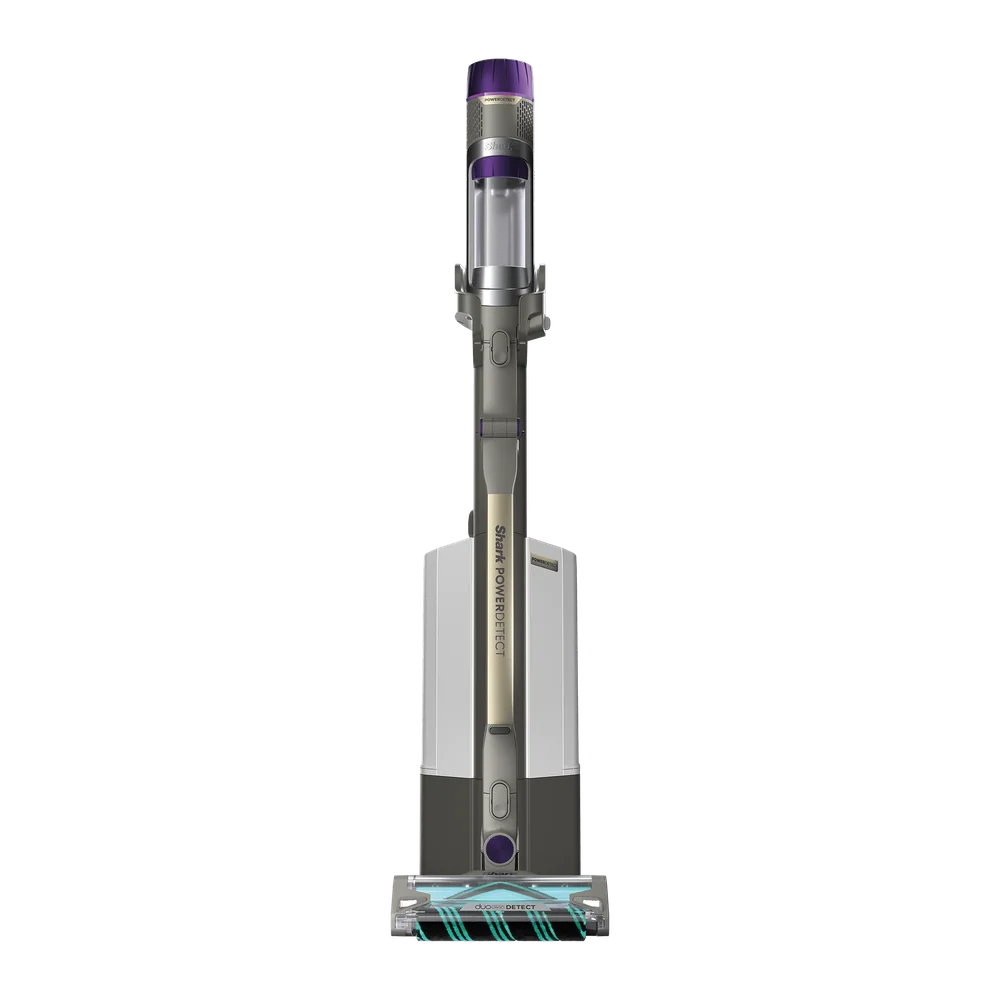
Shark PowerDetect Clean & Empty Cordless Vacuum

Tools you actually need

You don't need much: a small pair of scissors or a seam ripper works better than a knife for cutting wrapped hair, since the rounded tip is less likely to gouge the roller. A dry cloth or paper towel helps grip the roller while you work, and an old toothbrush is useful for clearing debris packed into the bearing housings at each end.

Skip anything sharp enough to nick rubber fins or bristle rows, since a single deep cut can throw the roller off balance and cause it to wobble or scrape unevenly against the floor once reassembled.

Removing the roller safely

Most cordless vacuums have a release latch or a twist-lock cover on the underside of the floor head, designed so the roller pops out without tools. Check the vacuum's head for a small button, switch, or end cap rather than trying to pry the whole assembly apart, since forcing it can snap the plastic tabs that hold it in place.

Once released, slide the roller straight out along its axis rather than yanking it at an angle. If it feels stuck, hair wrapped around the end near the bearing is usually the culprit holding it in place, and cutting that section loose first will let it slide free.

Cutting out wrapped hair

Work in short sections rather than trying to cut one long strip down the length of the roller. Slide the scissors or seam ripper under the wrapped hair, angled away from the bristles or rubber fins, and cut through in small segments, then pull the loosened hair off by hand.

Rotate the roller as you go so you're always cutting the section facing you, rather than twisting your wrist around the barrel. This keeps the blade angle consistent and lowers the chance of catching the roller's surface instead of just the hair wrapped around it.

Cleaning the bearings and housing

The bearings at each end of the roller are where hair and fine dust build up invisibly, and that buildup is what eventually makes a roller spin unevenly or stop turning altogether. Use the toothbrush to work debris out of the bearing caps and the small gap where the roller meets its housing.

Avoid spraying cleaner or water directly into the bearing area. A dry brush and, if needed, a can of compressed air aimed carefully into the gap will clear dust without introducing moisture that can corrode the metal bearing or attract more debris later.

What this guide helps you understand

A roller brush lasts longest when hair is cleared out in small, regular sessions with the right tool, rather than left to build up into a thick tangle that takes a blade and real effort to remove.

A pair of scissors or seam ripper with a rounded tip, not a utility knife
A dry toothbrush for the bearing housings
A few minutes of patience to work in sections rather than force one big cut

Technique notes

Never spray liquid cleaner into the bearing area, dry cleaning only
A roller that grinds or catches after reassembly needs to come back out and be checked again

More cordless vacuums help

As an Amazon Associate I earn from qualifying purchases.

← Back to Cordless Vacuums