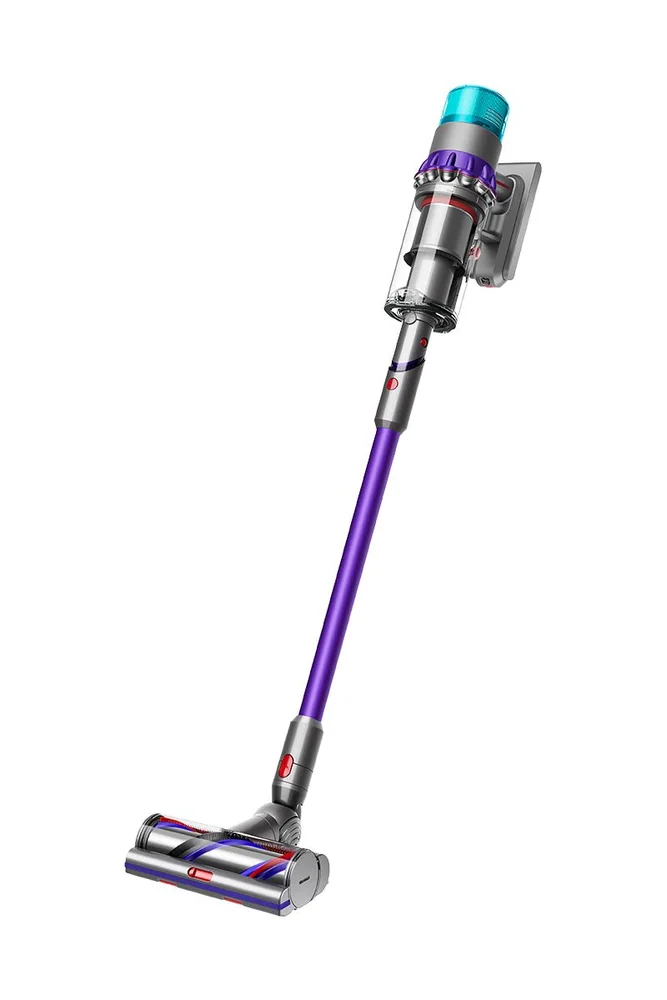
Weighing the cost and convenience of a removable battery against a fixed built-in one for bigger cleaning jobs.
Most cordless vacuums come with a battery built into the body, sealed away and charged through a cord that plugs into the whole unit. Some models instead use a removable battery pack that clicks out for charging or swapping, and that difference matters more than it looks like on a spec sheet. A swappable battery isn't just a convenience feature, it changes how you can use the vacuum day to day and how long the machine stays useful once the original battery starts to wear out. Whether that's worth the extra cost depends on the size of your home and how you actually clean.
Reading time: 7 minutesBest for: Buyers deciding between a fixed battery and a removable one for a larger home
What actually changes with a removable battery
With a built-in battery, once it runs out mid-clean, the whole vacuum goes on the charger and you wait, usually a few hours, before you can pick up where you left off. With a removable pack, you can keep a spare charged and ready, swap it in seconds, and keep cleaning without interrupting the session. For a larger home where one battery charge doesn't cover the whole house, that difference is the whole point of buying a spare.
The other advantage shows up years down the line rather than on day one. Batteries degrade with charge cycles no matter how well you treat them, and a built-in battery means the whole vacuum's usable life is tied to that one battery's lifespan. A removable pack can be replaced on its own once it weakens, extending the life of the vacuum without buying a new machine.
Where the extra cost actually goes
Vacuums with removable battery systems typically cost more upfront, and buying a second battery pack as a spare adds further cost on top of that, often a meaningful fraction of what the vacuum itself cost. That's a real expense, and it only pays off if you'll actually use the extra runtime it buys you.
If your home is small enough that a single charge comfortably covers a full cleaning session, a spare battery is money spent solving a problem you don't have. The value shows up specifically in larger homes, multi-story houses, or households that vacuum daily and don't want to plan around a charging cycle.
Who actually needs this feature
A swappable battery earns its cost in a few clear situations: homes large enough that one charge doesn't cover the whole space, households with pets or kids generating frequent messes that call for multiple short cleaning sessions across a day, and anyone who's been burned before by a vacuum dying halfway through a job with no way to keep going.
For a smaller apartment or a home with mostly hardwood and light cleaning needs, a built-in battery is simpler and usually cheaper, and the runtime a single charge provides is often more than enough. There's no cleaning benefit to paying for swappable batteries if you're never going to need the second one.
A practical way to decide
Think through your last few cleaning sessions honestly. Did the vacuum you're using now ever run out of charge before you finished, or did you always have plenty left over? If you've never hit a runtime wall, a built-in battery is probably fine and a swappable system is extra spending for peace of mind rather than a real need.
If runtime has been a recurring frustration, or you know your home is on the larger side with several carpeted rooms, treat the swappable battery as a practical upgrade rather than a luxury. Buying the spare pack alongside the vacuum, rather than waiting until the original degrades, also means you're covered from day one instead of scrambling for a compatible replacement later.
What this guide helps you understand
Whether a removable battery is worth the added cost, based on home size and how often runtime becomes a limiting factor.
Estimate whether your home's square footage and floor mix realistically exceed a single charge's runtime.
Factor in the cost of a spare battery pack, not just the vacuum, when comparing swappable versus built-in systems.
Technique notes
A removable battery lets you replace just the pack years later instead of replacing the whole vacuum once capacity fades.
Swappable systems cost more upfront and only pay off if you actually need the extended runtime they provide.